

Walk onto a packaging line that runs a dozen SKUs and watch it for a shift, and the pattern is unmistakable. The machine itself is rarely the constraint. The constraint is the time between products — the twenty minutes hunting for the right change part, the ten minutes re-teaching a guide rail, the trial boxes wasted getting the tape head to line up. On multi-SKU end-of-line lines, changeover time quietly eats a larger share of available production than most managers realise, and almost none of it is measured.
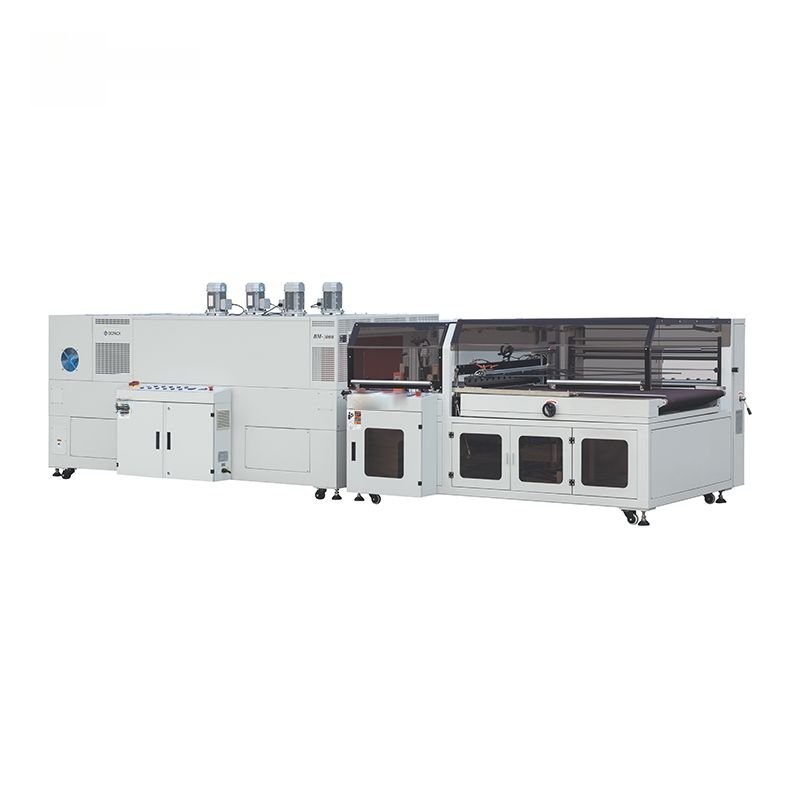
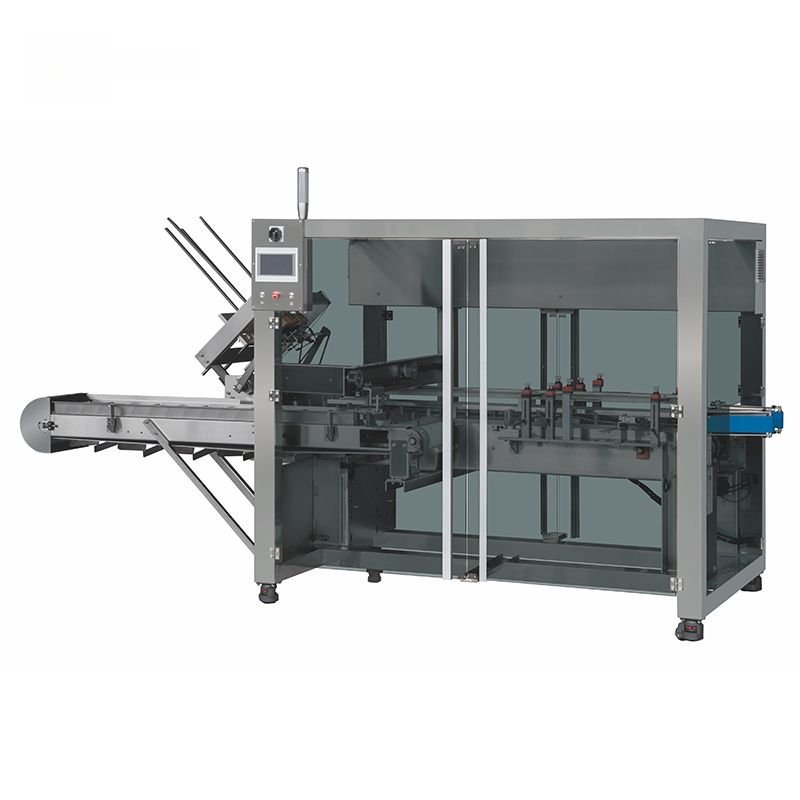
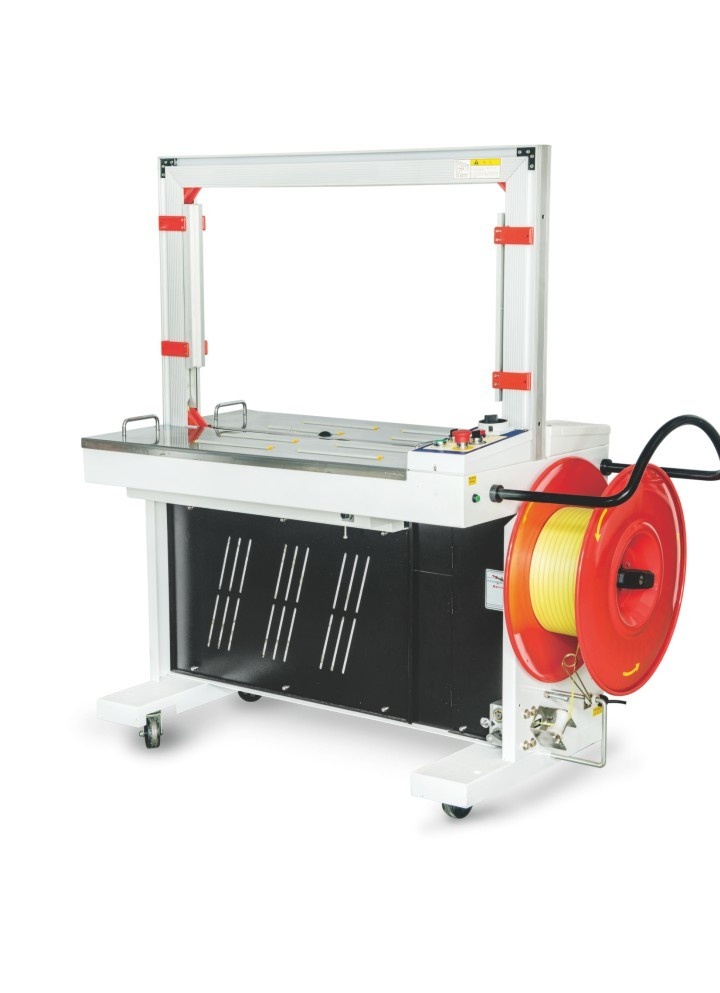
This is a practical playbook for cutting that time. It applies the SMED method — Single-Minute Exchange of Die, the systematic approach to converting changeovers from long internal jobs into short, mostly external ones — to the machines at the back of the line: case sealers, case erectors, continuous side-seal shrink wrappers, cartoners and strapping machines. The goal is not theory. It is getting every changeover under ten minutes, and on well-prepared lines, under five.
Why changeover time is hidden capacity
Changeover hurts twice. First, the line is simply stopped, producing nothing. Second, the ramp after the changeover — the first boxes run while the operator dials in settings — is usually slow and generates waste. Multiply that across every SKU, every shift, and the lost time compounds. A line that changes over six times a shift at twenty minutes each loses two hours of production a shift before counting a single reject.
The arithmetic is worth doing on your own line, because it usually surprises people. List the number of changeovers per shift, time a representative few honestly, and multiply up to a week. In most multi-SKU plants the result is 15–25% of nominal production time. That is capacity you have already paid for in machines and staff but never receive. Recovering it is often cheaper than buying a faster machine — a point we develop in our guide to real, not catalog, throughput.
The SMED idea in one paragraph
SMED divides everything done during a changeover into two categories. Internal tasks can only happen while the machine is stopped — physically swapping a part, for example. External tasks can be done while the machine is still running the previous product — gathering tools, pre-staging parts, retrieving settings. The method then works in four moves: separate external from internal work, convert as much internal work as possible into external, streamline what remains internal, and streamline the external work too. Applied honestly, changeovers that took half an hour routinely fall into single minutes. The discipline is identical whether the machine is a shrink wrapper or a cartoner; only the specific adjustments change.
Step 1: Observe and separate external from internal
You cannot improve a changeover you have not watched. Take a representative product change, stand beside the operator with a notepad, and log every action with its time — including the walking and waiting, which are usually the biggest surprises. Then mark each action internal or external. In most unimproved changeovers, operators gather tools and parts only after the machine stops, which converts work that could be external into dead internal time.
The first win is almost free: build a changeover kit and a staging area. Everything the next product needs — change parts, film or tape, the right magazine size — is gathered and laid out while the current product is still running. A simple wheeled trolley, one per line, stocked from a changeover list, removes most of the walking and searching. At this stage alone, changeovers often fall by a third without touching the machine.
Step 2: Convert internal work into external
This is where the larger gains come from, and it usually involves the machine design. The aim is to make adjustments that used to require a stopped, open machine into things that are prepared in advance.
- Use preset, interchangeable change parts rather than repositioned rails. A guide rail that is wound in by hand for every product is slow and hard to repeat. A dedicated, colour-coded change part that locates against a hard stop is swapped in seconds and is identical every time. This is the single most effective changeover investment on case and carton handling.
- Pre-stage film, tape and carton blanks at the machine in the widths the next product needs, so loading is a quick exchange rather than a search.
- Move settings out of the machine. Servo-driven machines store recipes; selecting a recalled recipe replaces manual dialling. Where machines are not servo, calibrated scales and hard stops let an operator set a position without trial and error.
- Standardise fasteners and eliminate tools. Quick-release clamps and locating pins replace bolts and spanners; where fasteners remain, use one size across the line so a single tool does it all.
When specifying a new machine for a multi-SKU line, changeover performance should be a written requirement, not an afterthought — ask the builder for the changeover time between your two most frequent products and for the list of change parts each one needs. Machines designed for rapid change, such as servo cartoners and continuous-motion wrappers, repay their modest premium quickly on high-variety lines.
Step 3: Streamline the internal work that remains
After conversion, a core of genuinely internal work remains. Streamline it with function over form: hard stops and locating pins instead of measured adjustment, one-motion clamping, and clear, mistake-proofed sequencing. Two principles do most of the work.
Poka-yoke, or mistake-proofing. Design change parts so they only fit in the correct orientation and location — asymmetric pins, different sizes for left and right. If a part cannot be installed wrong, the operator never spends time correcting it and never runs a bad setup. No adjustment without a reference. Every moving guide should have a scale, a pointer or a stop tied to the recipe, so a position is set by reading a number, not by running trial boxes. The aim is to remove the “feel” that makes changeovers depend on one experienced operator.
Step 4: Streamline the external work
External work is free in the sense that it runs in parallel, but it still has to be reliable. Standardise it with a per-SKU changeover sheet kept at the line: the parts, consumables, recipe number and a one-line setup note. Store change parts where they are used, labelled and shadow-boarded so a missing part is obvious. A visual scheduling board showing the next two products lets the operator stage ahead without being told. The objective is a changeover that follows the same short sequence every time, regardless of who is running the line.
What actually changes on each machine
The SMED steps are constant; the adjustments are specific. Knowing the variables for each machine helps when you specify change parts and recipes.
| Machine | Main variables to set | Best SMED lever |
|---|---|---|
| Case erector | Case size, magazine width, bottom-seal position | Preset change parts, hard stops |
| Case sealer | Box height and width, tape head, flap folders | Quick width screws, recalled settings |
| Side-seal wrapper | Film width, seal height, tunnel temperature/ speed | Servo recipe, pre-staged film |
| Cartoner | Bucket pitch, carton magazine, inserter | Dedicated change parts, recipe recall |
| Strapping machine | Strap width, arch opening, tension | Stored tension, preset guides |
For example, on a high-speed fold case sealer the height and width that adapt to each box are the frequent adjustments; fitting calibrated hand wheels with pointers and a stop for each case size turns a measured trial into a quick set. On an automatic L-sealer, the seal-bar height and film feed are the repeat variables, and a stored servo profile removes most of the ramp-up waste.
Recipes, settings and the first-good-box problem
The fastest mechanical changeover is still spoiled if the first ten boxes are wasted dialling in temperatures and positions. Two things fix this. First, capture a proven recipe per SKU — every servo position, tunnel temperature, seal time and tension — and recall it rather than re-deriving it. Second, on heat processes like the shrink tunnel, recognise that temperature cannot change instantly; where the next product needs a different setting, start that adjustment early or stage it so the tunnel is ready when the changeover begins. Tunnel and seal settings are the most common reason a “fast” changeover still has a slow ramp.
A worked example: 22 minutes to 6
The numbers below are representative of the changeovers we see on multi-SKU case and shrink lines, and they show where the time actually goes. The total fell from roughly 22 minutes to about 6 without increasing machine speed — purely by reorganising work and adding preset parts.
| Activity | Before | After | What changed |
|---|---|---|---|
| Finding parts, film and tools | 6 | 0 (external) | Staged on a trolley while running |
| Adjusting guide rails by hand | 7 | 1.5 | Preset change parts on hard stops |
| Setting temperatures/tension | 4 | 1 | Stored recipe, early tunnel preheat |
| Running trial boxes | 5 | 2 | Calibrated scales, mistake-proofed parts |
| Total internal time | 22 | ~6 |
Notice the largest single block was the search for parts — work that was never necessary to do on a stopped machine. Most unimproved changeovers look like this: the mechanical adjustment is not the problem; the preparation and trial-and-error are. It is also worth recording that after the change, the operator reported far less variation between runs — once positions were set against hard stops and recipes, the first good box appeared almost immediately, and the result no longer depended on who performed the change. That repeatability is as valuable as the saved minutes, because it makes daily output predictable and makes it possible to train new staff quickly instead of relying on a single experienced hand.
Common changeover mistakes
- Buying for speed but not changeover. A fast machine that takes half an hour to change over produces less on a multi-SKU line than a slightly slower one with five-minute changeovers.
- Letting settings live in one operator’s head. Undocumented “feel” creates risk on the day that operator is absent, and it cannot be repeated or trained.
- Adding SKUs without change parts. Every new product improvised at the line erodes the standard sequence and lengthens every changeover.
- Ignoring heat ramp time. Mechanical changes finish quickly, then the line waits on a cold or hot tunnel — a delay mistaken for a mechanical problem.
- Over-tightening changeover targets without the parts. Asking operators to go faster without preset tooling only creates rushed, unreliable setups.
Sustaining the gains
Changeover times creep back up as parts wear, new SKUs are added and discipline slips. Hold the gains with three habits: keep changeover time visible on the line and re-time it periodically; treat every new SKU as a trigger to make its change part and recipe before it first runs, rather than improvising; and maintain change parts and locating surfaces, since worn stops destroy repeatability silently. This is closely related to good preventive maintenance — the same worn guides that hurt repeatability also cause defects.
A changeover improvement sequence
- Time a real changeover and list every action, including walking and waiting.
- Split actions into internal and external; stage parts and consumables ahead.
- Convert internal work to external with preset change parts, hard stops and recipes.
- Mistake-proof the remaining internal work so it cannot be set wrong.
- Standardise external work with per-SKU sheets and a staging trolley.
- Measure again, capture the recipe, and re-time periodically to hold the gain.
The payback on this work is unusually fast because it recovers capacity you already own. On the lines we commission at SunAura Packaging Machines, the plants that treat changeover as a designed, measured process — rather than an operator skill — are the ones that run the most SKUs at the highest effective output. If you are specifying a new multi-SKU line, tell us your product range and current changeover frequency; we can configure the quick-change parts and recipe system from the start instead of retrofitting them later.

James oversees the engineering architecture for full end-of-line projects: defining machine sequence, conveyor layout, line balance, footprint and expansion capacity before individual machines are ordered. He reviews customer specifications, production rates and facility constraints, and signs off on the engineering drawings and acceptance tests. His articles take the system-level view a procurement manager needs.
See Full Bio ›