
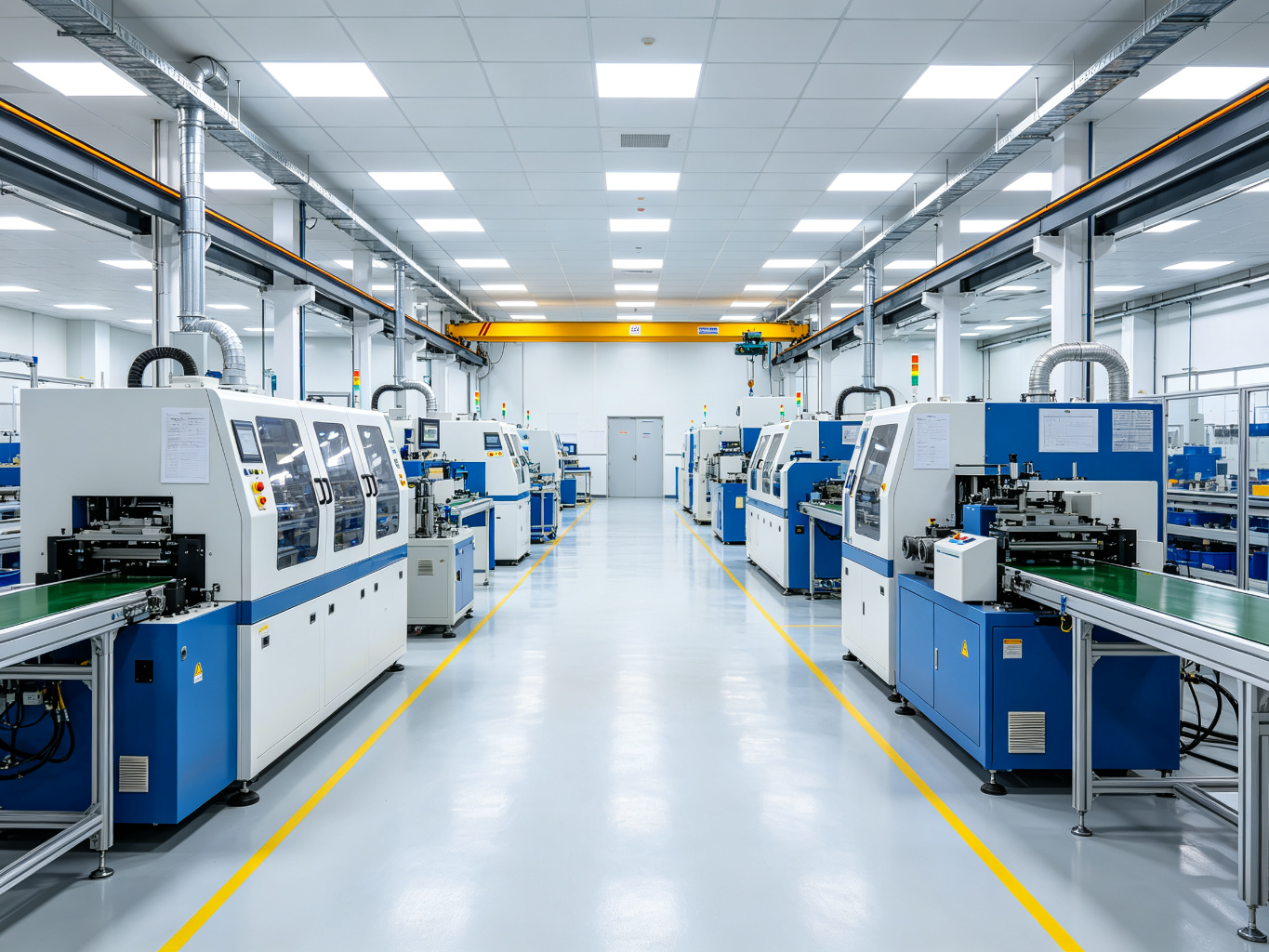
SunAura Packaging Machines has commissioned an automated flow-wrapping and end-of-line packaging system for a snack producer in Indonesia, the company announced, handling individual bag wrapping, multipack collation, case erection and sealing, and pallet wrapping for the plant’s range of extruded and baked snacks sold across Java and exported to neighbouring markets. The line replaces manual collation and case handling at the end of a high-output snack operation and was supplied with commissioning, training and regional parts support.
The installation is SunAura Packaging Machines’ latest food-industry project in Southeast Asia, where demand for packaged snacks continues to rise with urban populations and modern retail. For the Indonesian customer, the objectives were to keep the packaging line running at the production rate, reduce the labour-intensive hand collation of multipacks and present stable, wrapped pallets for both domestic distribution and export.
The challenge at a snack plant
Snack production is fast, and the economics of the plant are decided by whether the packaging end can keep pace with the output. Individual snack packs are produced in large numbers, and these are then grouped into multipacks and cases for retail; where the collation and case work is manual, the line’s rate is set by hand, the work is repetitive, and output varies between shifts. During promotional periods and festive demand, those limits cost sales the plant cannot recover, and the customer therefore specified an end-of-line matched to its production rate, robust for long running hours and supported with parts held in the region.
As on other SunAura Packaging Machines projects in Southeast Asia, reliability and fast recovery from a stoppage were weighted as heavily as headline speed, because a snack line that runs long shifts loses more from unplanned downtime than it gains from a marginally faster quotation.
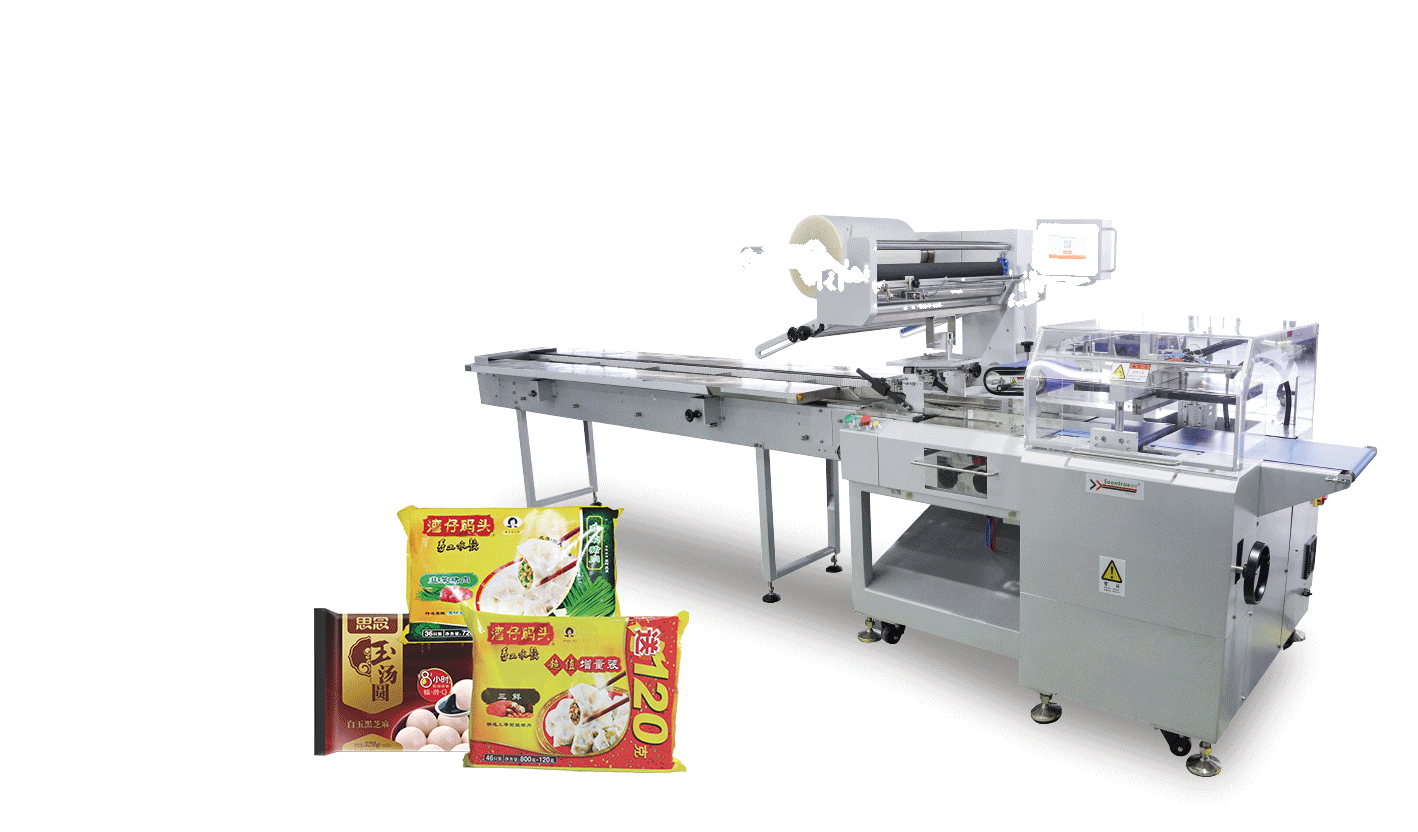
Flow wrapping and automatic collation
The line begins with flow wrapping, in which individual snack portions are sealed in film on servo wrappers running at synchronised speeds, with electronic control of the film and cross seals and recipe storage for the plant’s many pack formats. Machines in the class of the SZ-750W six-servo wide flow wrapper suit the larger formats and multipacks snack producers run, while smaller wrappers handle single portions. Individual packs are then collated into multipacks automatically, with the collation presenting a fixed count to the case rather than relying on operators to gather packs by hand, which is the stage that previously bounded the line.
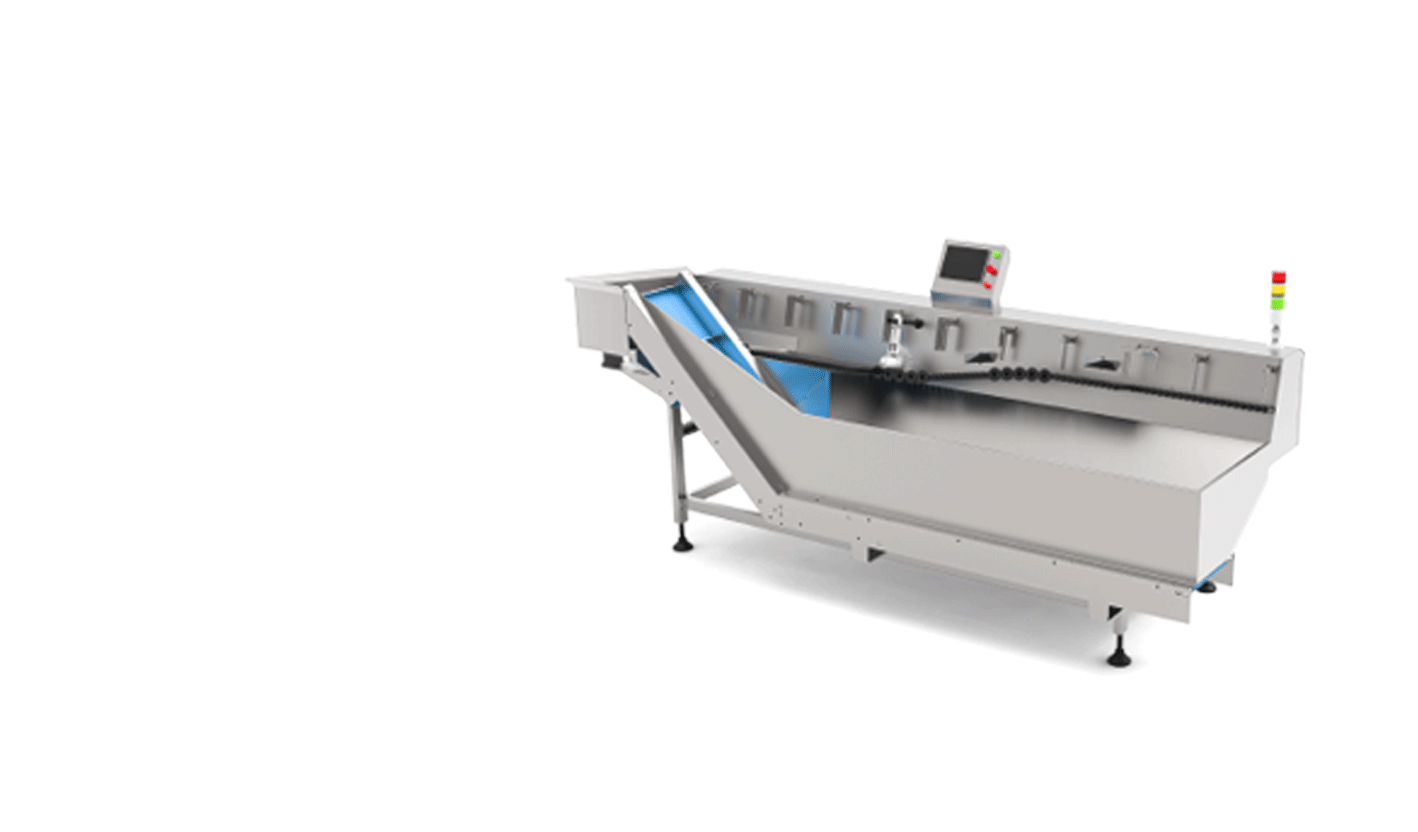
An aligning and feeding station presents products at a fixed pitch, removing the variability of hand feeding; a machine in the class of the WX160 random product aligning feeder organises packs so the downstream collation and case packing run without interruption. Accumulation between stations absorbs short pauses — a film change, a blank refill — without stopping production, the balancing principle described in SunAura Packaging Machines’ guide to conveyors and product handling systems.
Case erection, sealing and pallet wrapping
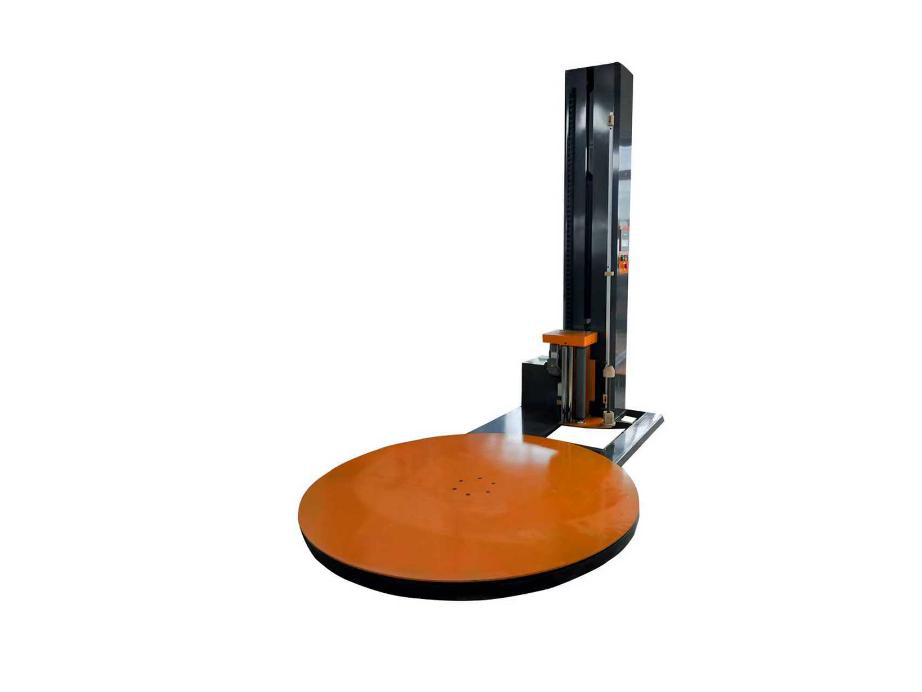
Multipacks are packed into cases that are formed and bottom-sealed automatically on an erector in the class of the medium-speed pneumatic case erector and bottom sealer, which forms cases steadily at the line’s rate and removes hand-forming. Packed cases are then closed and taped on an automatic sealer, producing cases that survive domestic and export routes without opening. At the end of the line, cases are palletised and stretch-wrapped, with the wrapper holding cases to the pallet using tension and overlaps set for the load and reinforced at the base and top so pallets stay intact through distribution and sea freight.
Commissioning, training and regional support
SunAura Packaging Machines commissioned the line with the customer’s packs and cases and trained operators and maintenance staff separately — operators on running, recipes and consumables, technicians on fault diagnosis and the wear parts held regionally. The customer also has access to the online Help Center for maintenance intervals and fault resolution between service visits. SunAura Packaging Machines reports the line reached its planned rate during commissioning, with the most visible improvements being the steady throughput, the automatic multipack collation and the reduction in the heavy manual handling the end-of-line previously required. The plant has since been running the line through its regular long shifts and the first export orders packed on the system.
Why Southeast Asian snack producers keep automating
The Indonesian project fits a broader regional pattern. As packaged snacks expand through modern retail and export, producers are investing in both processing and the flow-wrapping and end-of-line equipment that lets output reach its real capacity, automating work that is difficult to staff at the required rate. The producers that specify robust, recipe-based, regionally supported equipment are the ones whose lines keep running through promotional peaks, and SunAura Packaging Machines’ Southeast Asian projects in snacks, instant food and bakery show how that approach translates into installed, supported lines.
A throughput scenario, in practical terms
The change the line made is clearest in a concrete picture of a working day. Imagine the plant running a single-portion snack through the morning, with wrappers sealing packs and collation grouping them into multipacks continuously, then switching to a family-size format after lunch. On the first product, portions are wrapped at a steady rate, collated to a fixed count and packed into cases that are erected and sealed automatically, and finished cases move to the pallet wrapper, where each pallet is wrapped to a stored setting and moved out for loading. When the format changes, operators adjust the guides and recall the recipe, a changeover measured against a documented standard rather than the judgement of whoever is on shift.
The contrast with the previous manual arrangement is where the return appears, and it sharpens during festive and promotional peaks. Hand collation bounded output by the number of people at the end of the line and varied between shifts, and the plant could not sustain the rate its production allowed. The automated line sets the pace by machine, produces cases sealed and wrapped identically regardless of shift, and uses people to supervise and supply rather than gather and carry. As with other food lines, the saving is counted both in reduced labour and in fewer damaged packs, more predictable distribution and protected peak-season sales.
Maintenance planning and protecting uptime
A line running long shifts is reliable when it follows a short, scheduled maintenance routine rather than running until a fault stops it, and preparation before the demand peak is especially valuable. The practical work concentrates on the parts that move and meet the product and cases: the belts and rollers on the conveyors, the sealing jaws and knives on the wrappers, the folding and taping components on the erector and sealer, and the film carriage on the wrapper. These are inspected before the peak, common wear parts are replaced ahead of failure, and film, tape and blanks are stocked so a format change does not interrupt production.
Because regional parts coverage holds the relevant wear and critical components, the plant can stage parts before the peak and recover quickly from an unplanned stop rather than wait on freight during its most valuable weeks. SunAura Packaging Machines encourages high-demand producers to schedule a pre-season inspection, in which engineers verify sealing, check the safety devices and confirm the full range of formats runs as it did at commissioning. The online Help Center supports the plant’s own technicians with fault resolution between visits, keeping more issues inside the factory where they are fastest to resolve.
Packaging material and local sourcing
Beyond labour and throughput, the line also changed how the plant manages its packaging materials. Packs and cases formed and sealed consistently use film, tape and blanks more efficiently than hand work, where waste and re-sealed cartons quietly consume stock, and pallets wrapped to stored settings use a repeatable amount of film rather than varying by operator. Over a year of long shifts, those differences accumulate into measurable material savings. The plant also works with local suppliers for blanks and consumables, keeping the line running without dependence on imported spares, while the machine-specific wear parts are held regionally by SunAura Packaging Machines. As retailers and export customers increasingly ask for reduced and recyclable packaging, the equipment also positions the plant to use thinner-gauge film and lighter cases where the load still carries safely, provided the settings are reconfirmed for the new materials.
Export, quality and the wider market context
The line also supports the part of the customer’s business that grows fastest — branded snacks sold beyond Java and exported to neighbouring markets. Export buyers and modern retailers inspect packs and cases more closely than informal channels, rejecting multipacks with missing portions, cases that open in handling and pallets that shift in a container, and the automated collation and sealing produce the consistency those buyers audit against. A fixed count produced by machine, a case taped identically every time and a pallet wrapped to a stored pattern are precisely the details that separate a supplier accepted into a retail listing from one rejected at goods-in, and they also reduce the claims the plant pays when product reaches a distant market damaged.
That matters against the regional background. Southeast Asia’s snack sector is competitive and fragmented, with many producers selling similar products, and the producers that win retail and export listings are increasingly those whose packaging quality and supply reliability match their price, rather than those selling the cheapest bag. Automation of collation and case handling is therefore not only a labour decision; it is how a mid-size producer presents itself as a dependable branded supplier. SunAura Packaging Machines’ regional projects show the same pattern in different products — snacks, instant food, bakery — where the end-of-line investment follows a move into modern retail or export rather than simply a rise in volume, and the Indonesian line was specified with that transition in mind.
Frequently asked questions
Can the line handle many different snack formats?
Yes. Servo wrappers and collation store recipes per format, so the plant’s many single and multipack products are recalled rather than re-tuned at each change. Operators select the product, adjust the guides to the marked positions and load the matching film and blanks, and the line reproduces the same seals, counts and pallet patterns as the previous run of that product, regardless of which shift is running.
What protects production from downstream stoppages?
Accumulation between wrapping, collation and case stations absorbs short pauses, and the aligning feeder keeps products presented at a fixed pitch.
How are export pallets secured?
Cases are wrapped with reinforced tension at the base and top, with patterns confirmed on the customer’s cases for sea freight. The settings, including the overlap and the number of top and bottom wraps, are stored per export format so every container is prepared the same way.
What support is available after installation?
Regional parts coverage, on-site commissioning and training, and the online Help Center support both operators and technicians. In practice, the plant stages the wear parts and consumables it will need before the festive peak, so a routine failure does not become a freight delay, and SunAura Packaging Machines’ engineers can be scheduled for a pre-season inspection to confirm every format runs as it did at commissioning.
Conclusion
The Indonesian snack line shows how a high-output food operation can be matched with automatic flow wrapping, collation, case erection and sealing, and pallet wrapping, specified for long running hours and supported regionally. The combination protects throughput, removes the manual collation that once set the plant’s pace and secures cases for both domestic and export markets. SunAura Packaging Machines continues to supply and commission such systems across Southeast Asia.
If you produce snacks or bakery and need a flow-wrapping and end-of-line system matched to your output, contact SunAura Packaging Machines’ applications engineers with your pack formats and target rate, or explore the machines in the products hub, including the full range of servo flow wrappers and end-of-line equipment. Our engineers will confirm the configuration against your products and distribution routes.

Michael designs automated palletizing stations and ties upstream case or bag flow to downstream stretch wrapping. His work spans conventional layer palletizers, robotic arm cells, conveyor routing, safety fencing and handover logic between machines. He writes about palletizer selection, load stability and how an end-of-line sequence should be balanced.
See Full Bio ›