
Horizontal and end-load cartoning machines that open a flat carton, insert a product (or flow-wrapped pack), close the tuck-in or glue flaps and deliver a finished retail box — across the ZH-120, ZH-200/250 and ZH-350 series.
A cartoning machine erects a folded paperboard carton, inserts the product — a single item, a flow-wrapped pack, a bottle or a collated bundle — and then closes the carton with either tuck-in flaps or hot-melt glue. On an end-load horizontal cartoner the carton is picked from a magazine, opened onto a chain of flights, the product is pushed in from the end, and the flaps are folded and sealed at the discharge. It is the standard machine for turning a product into a shelf-ready retail box.
The SunAura Packaging Machines ZH series is arranged by carton size and speed. The ZH-120 is the compact horizontal cartoner for small retail boxes and single-serve products; the ZH200 and the full-servo ZH-200/ZH-300 cover the flexible middle range with rapid changeover; the ZH-250P is the servo cartoner for consistent high-speed work; and the ZH-350 is the large-box frame for bigger cartons and multi-packs. Tuck closure is standard on some frames, hot-melt on others, so the closure method is part of the selection rather than an afterthought.
A cartoner is almost always fed by something: a flow wrapper, a collator, a denester or a manual in-feed. The economic case for the machine is strongest when the product is already wrapped and a person is currently putting it into boxes by hand — the cartoner both removes that labour and gives a square, repeatable box that an automatic case packer can then handle.
Five cartoners spanning small single-serve boxes to the large ZH-350 frame, with full-servo options for frequent size changes and printed-film lines.
| Model | Configuration / typical application | ||
|---|---|---|---|
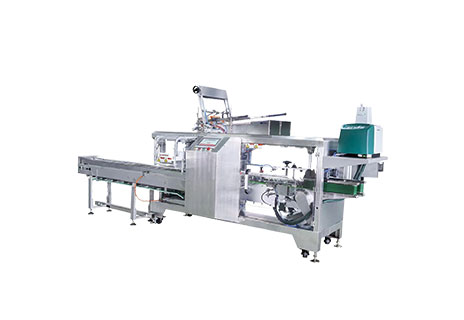 |
ZH200 | Automatic Cartoning Machine | View machine → |
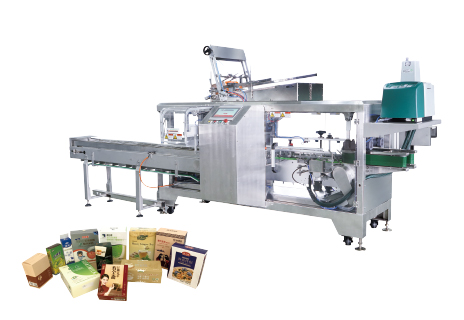 |
ZH-200 / ZH-300 | Full-Servo Cartoning Machine | View machine → |
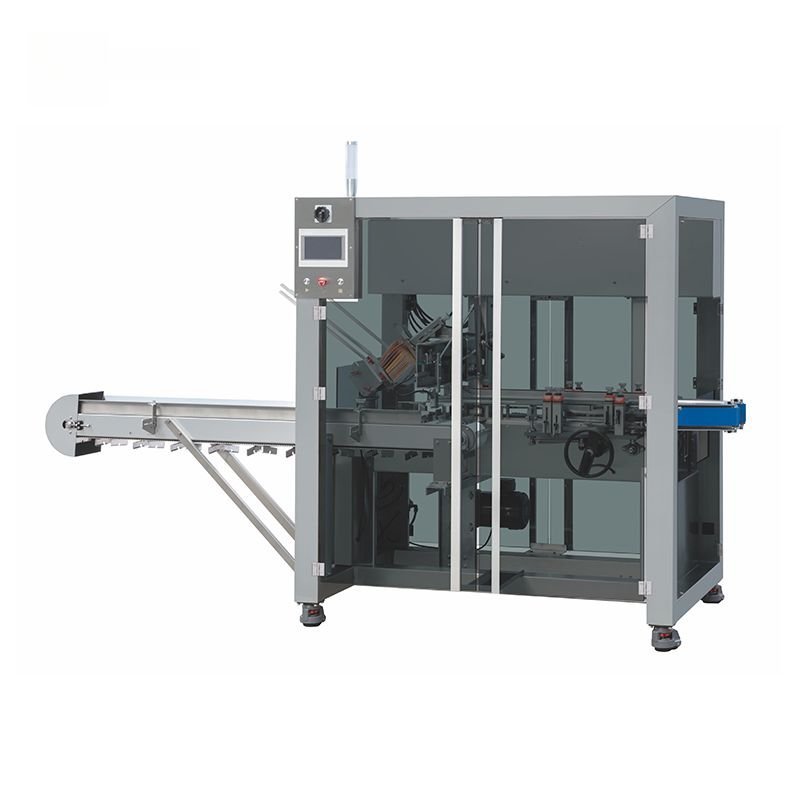 |
ZH-120 | Automatic Horizontal Cartoning Machine | View machine → |
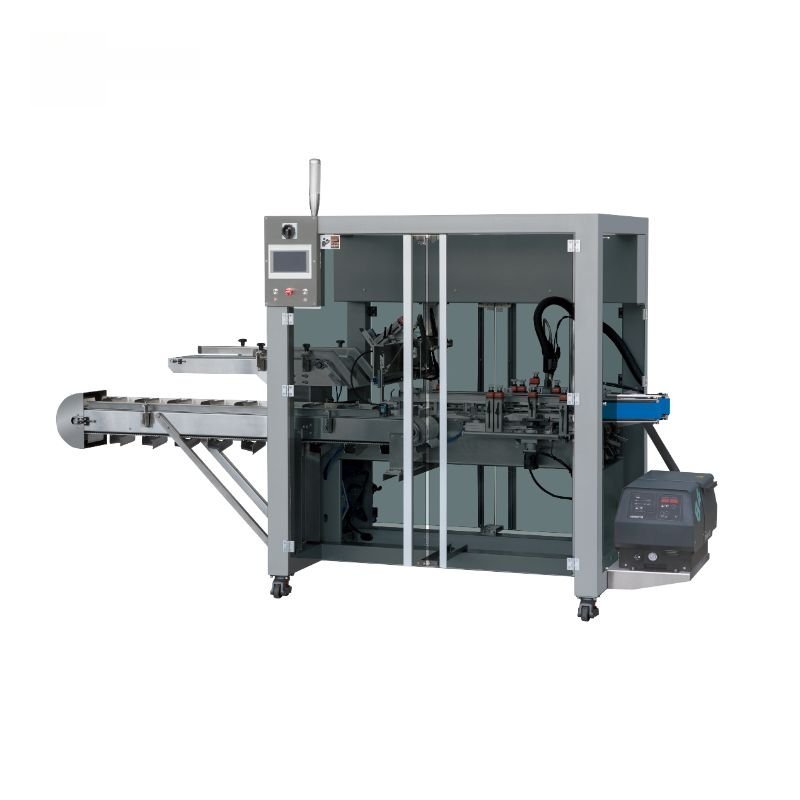 |
ZH-250P | Automatic Servo Cartoning Machine with Hot-Melt Glue | View machine → |
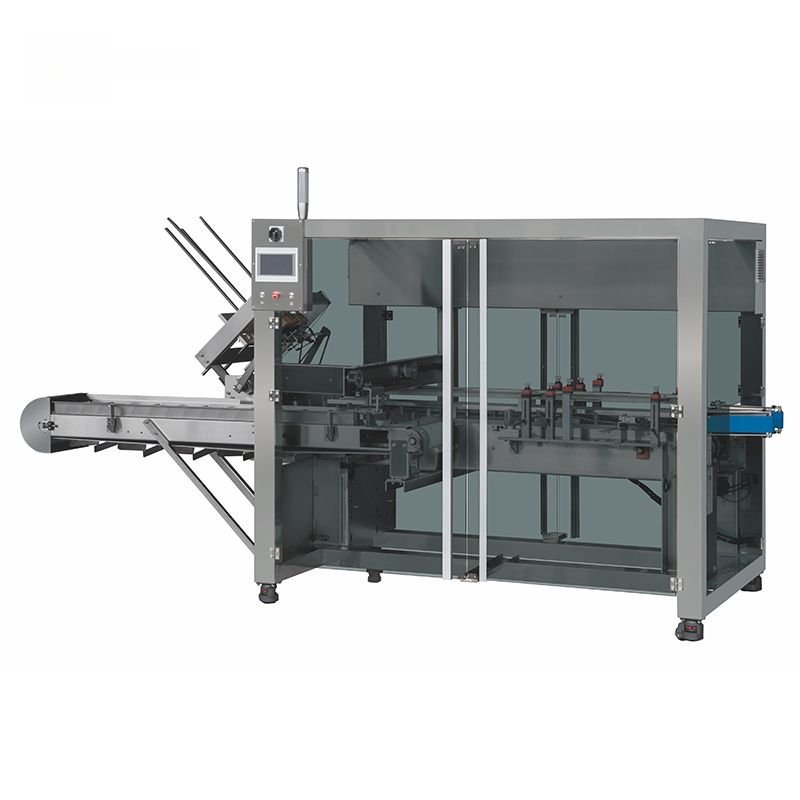 |
ZH-350 | Automatic Large-Box Cartoning Machine | View machine → |
The carton, the closure and the feeder determine the machine.
Provide the erected carton length, width and depth and the board grade. Small boxes point to the ZH-120; the largest multi-packs require the ZH-350. The machine and its magazine are sized to the blank, not just the finished box.
Tuck-in flaps are re-openable and need no glue; hot-melt gives a tamper-evident, rigid seal for food and pharma. Specify the closure at build time because the flap-folding and gluing stations differ.
A cartoner only runs as fast as it is fed. A flow-wrapped product is delivered by a lug conveyor, bottles by a starwheel, loose items by a collator — the in-feed is chosen with the product, and the WX160 aligner or manual in-feed are used for lower automation.
The ZH-120 suits moderate speeds, the ZH-250P and the full-servo ZH-200/300 run continuously and change size from the HMI, which matters when a line runs many SKUs and short batches.
All machines here are horizontal end-load cartoners for products pushed into the end of the box. If the product is dropped from above — bottles or bags into an open tray — a top-load or vertical cartoner is the correct, different machine.
Cartoners commonly sit between a flow wrapper and a case packer. Check the discharge height and the way the closed carton is collated, especially if a robot will pick it downstream; the carton orientation must be consistent.
The ZH range is sold wherever a product is converted to a retail paperboard box; the machine size changes with the carton, not the industry.
What is an end-load horizontal cartoner?
An end-load cartoner opens a flat carton into a flighted chain and pushes the product in from the end before folding and sealing the flaps. It is the standard machine for wrapped bars, bottles and small retail goods; the ZH range are all end-load machines.
Tuck closure or hot-melt — which is better?
Tuck-in flaps are reusable and glue-free and suit many retail and hardware products. Hot-melt creates a tamper-evident, dust-resistant seal that is preferred for food, pharmacy and export. The choice affects the machine’s closing stations, so specify it when ordering.
How is the cartoner fed?
It depends on the product: flow-wrapped packs arrive on a lug conveyor, bottles on a starwheel, collated items from an indexing feeder. For low-volume or varied products a manual in-feed is possible. Tell us the upstream machine and we will match the in-feed.
What is the difference between the ZH-120, ZH-250P and ZH-350?
The ZH-120 is the compact frame for small boxes at moderate speed; the ZH-250P is the servo cartoner for consistent high-speed work; the ZH-350 is the large-box machine for big cartons and multi-packs. The ZH-200 and full-servo ZH-200/300 fill the flexible middle ground with quick changeover.
Can the machine handle many different carton sizes?
The full-servo frames change pack length and many settings from the HMI, though the magazine and flight chain still need a size change for very different cartons. If your line runs many short batches, the servo ZH-200/250 with a second change-parts set is the most practical; a single fixed carton is cheaper on a mechanical frame.
Provide the erected carton dimensions, board grade, closure (tuck or glue) and the upstream machine. We will name the ZH model and the in-feed, and confirm line speed with the case packer.
We use cookies to operate the site, analyse traffic and support your inquiries. You can accept all cookies or manage your choices. See our Privacy Policy and Cookie Policy.