

SunAura Packaging Machines has introduced a modular robotic case packing and palletising cell designed for the mixed-SKU, fast-changeover conditions of modern e-commerce fulfilment and contract packing, the company announced this week. The new module combines a robotic case-packing station, an optional collaborative palletising robot and the case erecting and sealing equipment that surrounds them, all sharing a common control system so the cell can be specified as a complete end-of-line solution or added in stages to an existing line.
The launch reflects a shift SunAura Packaging Machines’ applications engineers see across the market: the lines that once handled a single product in a single case format now handle dozens of SKUs in a shift, and the economics of hard-automated packing — purpose-built for one box and one product pattern — break down when changeovers become frequent. Robotic cells trade a little of the peak speed of fixed automation for the ability to change product and pack pattern by selecting a recipe, which makes them better matched to fulfilment operations where order profiles change daily.
How the cell is arranged
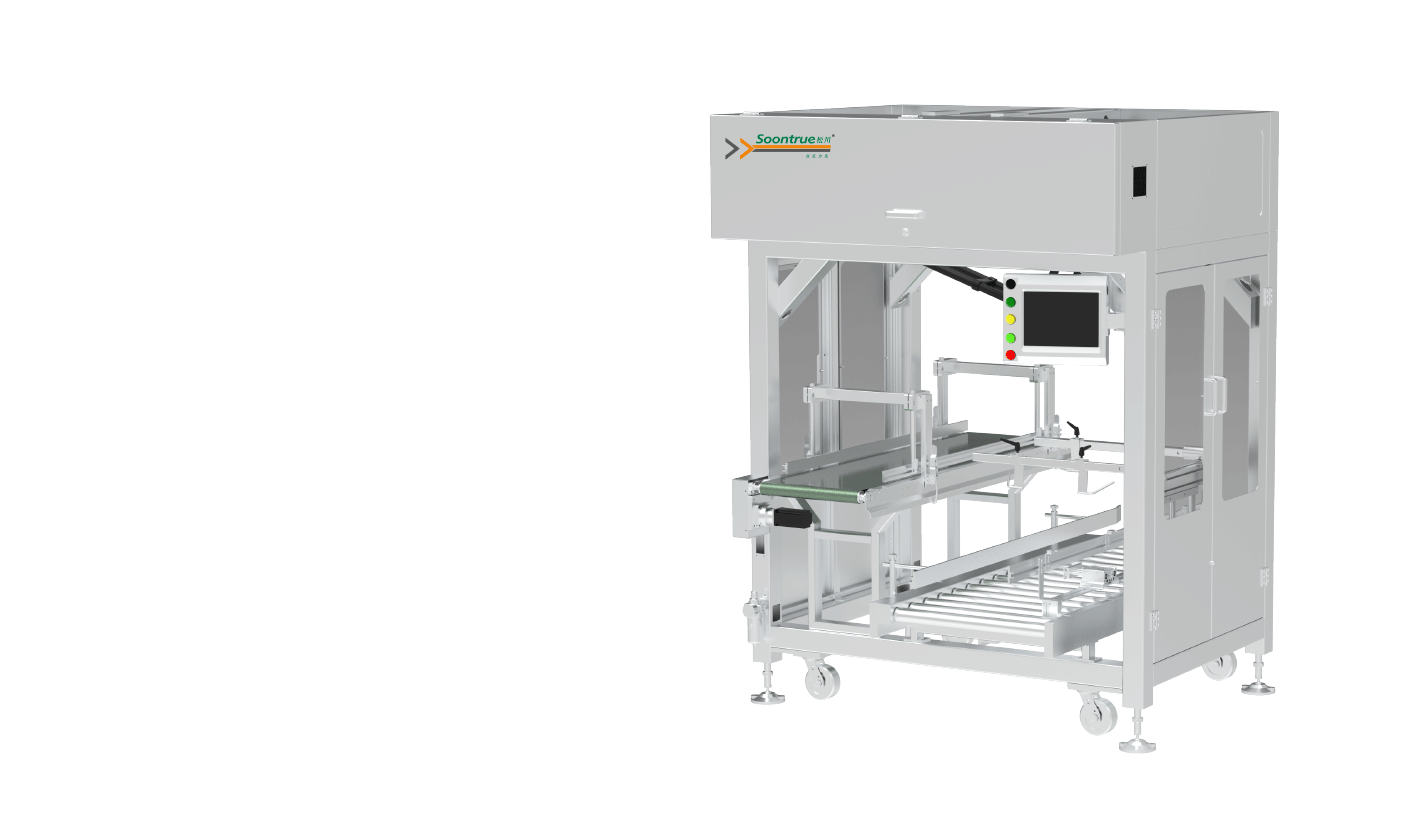
A typical configuration begins upstream with a case erector that forms and bottom-seals RSC cases and presents them to the packing station. Products arrive on a conveyor — singulated and oriented, or grouped in rows — and a robot picks and places them into the waiting case according to a programmed pattern. The filled case then moves to a top sealer and, where required, a strapper, before reaching the palletising station. There a collaborative robot builds the pallet layer by layer, placing cases in a pattern set for stability and interlock, and the finished pallet is released for wrapping or strapping. Each stage is a standard SunAura Packaging Machines machine, but they are integrated around shared signals rather than operating as independent islands.
The robotic case-packing station itself is built as a guarded cell with integral conveyors, giving the robot a defined working envelope while cases and products move in and out under control. The ZX-500R robotic case packer represents this approach: a compact two-axis packing robot suited to placing products into cases at the speeds that fulfilment and food lines require, with changeover handled through stored patterns rather than mechanical retooling.
Collaborative palletising at the end of the line
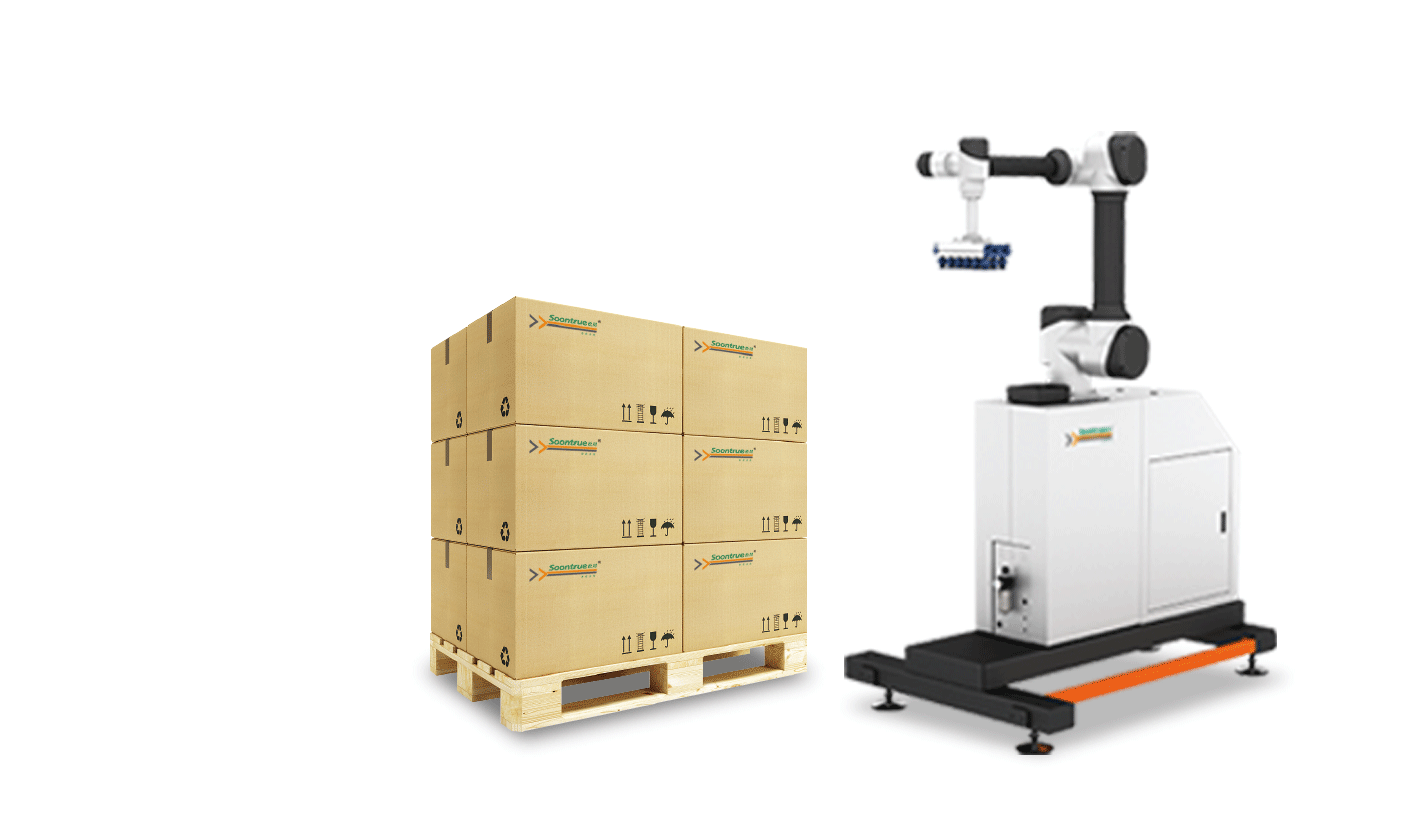
The palletising stage uses collaborative robots built specifically for the repetitive work of stacking cases, a task that is physically demanding, hard to staff across three shifts and a common source of strain and turnover in distribution centres. SunAura Packaging Machines’ palletising options, including the WP-40 and WP-50 collaborative palletising robots, combine a robot arm with a mobile base and configurable end-of-arm tooling suited to cases of different sizes. Because the pallet pattern is a recipe, changing from one case size to another — or adjusting the number of cases per layer — is a matter of selection rather than rebuilding the machine.
Collaborative operation changes the safety and footprint calculation compared with traditional palletising robots, which are typically fenced into a large cell. A properly specified cobot can work alongside operators in a smaller footprint, which suits facilities that are retrofitting automation into existing layouts rather than designing a greenfield line. The company stresses that collaborative does not mean guarding is optional — every installation is assessed for the actual speeds, loads and reach involved — but it does allow a more compact, flexible cell than fixed automation provides.
Why mixed-SKU lines favour robotics
The case for robotic packing is strongest where product variety is high. A fixed case packer, engineered around one product and one pack pattern, runs that configuration very efficiently but requires mechanical change parts and skilled adjustment to run anything else, and the downtime cost grows with the number of daily changeovers. A robot, by contrast, holds many patterns in its controller and can switch between them rapidly; new products are added by teaching or programming a new pattern rather than ordering new hardware. For e-commerce fulfilment, third-party logistics and seasonal businesses — where the product mix is broad and changes with promotions and contracts — that flexibility is the deciding factor.
Robotics also suits lines that are expected to evolve. A modular cell can start with case packing and add palletising later, or start with a limited set of products and expand as the robot’s pattern library grows. This staged approach lowers the initial commitment and lets automation follow the business rather than requiring the full system to be justified on day one. For high-volume single-product lines, fixed automation may still offer the best peak throughput; for everything variable, the robotic cell is the more durable investment.
Integration with erection, sealing and strapping
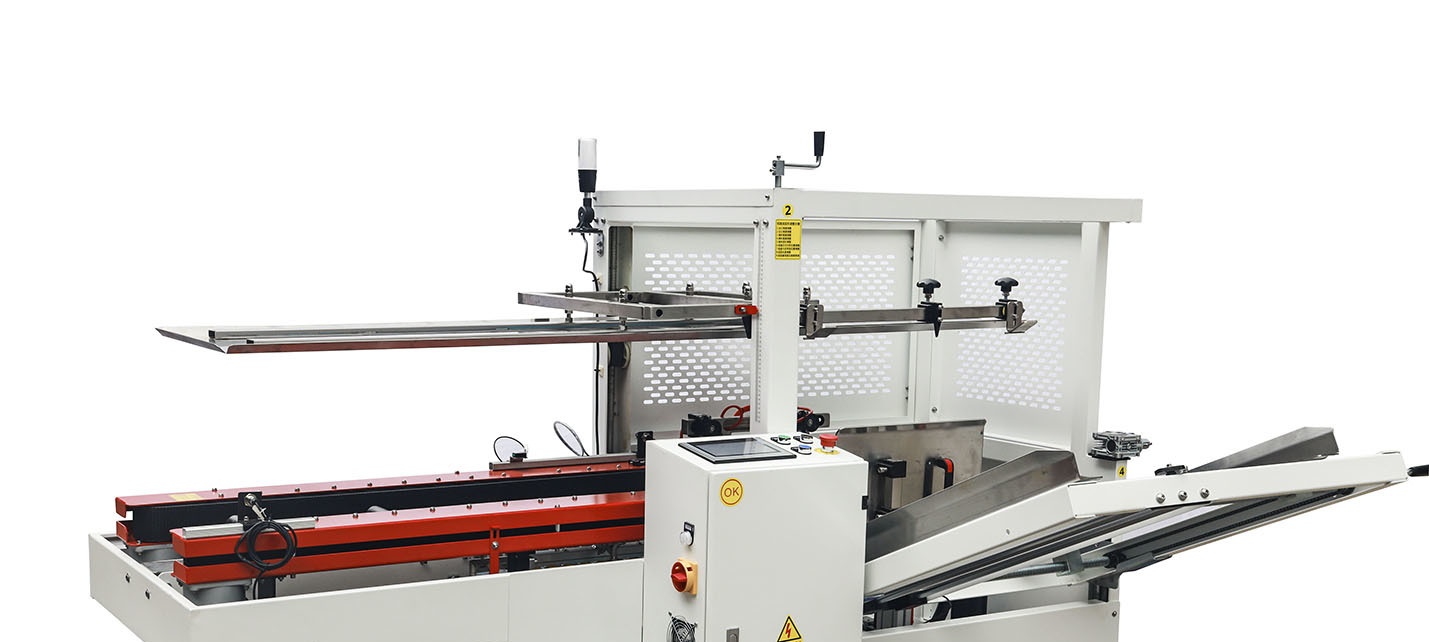
A robot only performs as well as the flow of cases and products around it, which is why SunAura Packaging Machines specifies the module as a system. Upstream, a reliable erector — such as the AIS400 robotic case erector or a servo erector matched to the required case rate — must supply formed cases without becoming the bottleneck. Downstream, sealing and any strapping must accept the filled cases at the cell’s output, and palletising must keep pace so finished cases do not accumulate and block the line. The complete case erecting, packing, sealing and palletising system demonstrates how these stages are balanced when specified together.
The control integration matters as much as the mechanical layout. Shared signalling means the packing station holds when a case is not ready, the sealer and strapper index in sequence, and the palletiser signals when a layer or pallet is complete; a single HMI presents the state of the cell rather than forcing operators to manage independent machines. Buyers who bolt separate machines together after the fact frequently discover mismatched speeds and handshakes that a unified cell avoids from the start.
Throughput, payload and the sizing decision
Sizing a robotic cell turns on three numbers: the case rate the line must sustain, the payload the robot handles on each pick (a single product, a row, or a full layer), and the case and pallet dimensions that define reach and pattern. Robotic packing can be configured to pick single products for delicate placement or to pick groups for higher throughput, and the palletising robot is selected against the case weight, the pallet height and the required cases per minute. As with other end-of-line equipment, SunAura Packaging Machines recommends sizing against the realistic operating rate — with a derating margin for changeovers, replenishment and stops — rather than the machine’s peak figure. The goal is a cell that sustains the planned shift output without running at its limit continuously.
Labour, safety and the operating model
The most consistent reason customers give for automating packing and palletising is labour: the jobs are repetitive, physically hard and increasingly difficult to staff reliably, and their cost over the life of the equipment is substantial compared with a machine that works every shift. Automation also improves consistency — cases are packed and palletised the same way every time, which reduces damage in transit and the claims that follow. Safety is engineered into the cell through guarding, interlocks, assessed collaborative operation and clear zones for the tasks that still require a person, such as supplying consumables and removing finished pallets. SunAura Packaging Machines treats these as part of the specification rather than additions made after installation.
Reliability and maintenance in a robotic cell
Buyers moving from manual handling to robotics sometimes expect the machine to be maintenance-free, but a robotic cell is better understood as a reliable machine with a short, predictable maintenance routine rather than one with no routine at all. The robot itself has few wearing points compared with the conveyors and end-of-line machines around it; the practical maintenance concentrates on the components that move product — belts and rollers, the end-of-arm tooling that grips cases or products, sensors that confirm position, and the sealing and strapping machines downstream. Keeping those items inspected, and holding the common wear parts, is what protects the uptime that justified the cell.
End-of-arm tooling deserves particular attention, because it is the part that meets the product and therefore the part most affected by a change in what the line handles. Vacuum-based tooling suits smooth, relatively flat cases and products; mechanical or custom tooling suits irregular shapes, porous surfaces or heavier loads. Specifying tooling that accommodates the planned product range — and confirming that a new product can be handled either with the existing tool or a quick change — prevents the situation where a robot installed for flexibility cannot grip the next product the customer wins. SunAura Packaging Machines validates the grip on actual cases and products during the trial and commissioning rather than assuming it from drawings.
From order to running line: a commissioning view
The path to a running robotic cell follows a familiar sequence, and understanding it helps buyers plan the disruption. After the product and case range is agreed, the cell is designed and built, then tested at the factory — ideally with the customer’s actual cases and products, or representative samples — so that pack patterns, grip and line balancing are proved before shipment. On site, the machines are positioned and connected, dry-run, and then commissioned with real product while operators and maintenance staff are trained. Lines that take this factory-acceptance step seriously tend to commission faster on the floor, because the issues that would otherwise appear in the customer’s plant have already been found and resolved in the builder’s.
For existing facilities, the project is often scheduled around production, with the cell installed and brought online in stages to avoid a long shutdown. This is where the modular design earns its keep: erection and packing can be commissioned while manual palletising continues, and the collaborative palletiser added and proved before the manual step is withdrawn. The result is a transition that the plant can absorb rather than a single cut-over with all its risk.
Common questions about robotic packing cells
Will a robotic cell be fast enough for my line?
For mixed-SKU fulfilment and most food and consumer-goods lines, a correctly sized robotic packer sustains the required case rate, particularly when configured to pick groups rather than single items. Very high-speed single-product production may favour fixed automation; the decisive comparison is the sustained rate on your actual product mix, not a peak figure on one SKU.
How do I add a new product or case size?
New pack and pallet patterns are added in the controller, and the robot runs them without new mechanical parts. Case size changes use the standard adjustments on the erector and sealer. This is the core advantage over fixed automation on lines with growing product variety.
Can I install the cell in stages?
Yes. The module is designed to be added in stages — for example, automating case packing first and palletising later — which spreads the investment and lets each stage prove its return. Planning the full layout from the start, even when built in stages, ensures conveyors and controls accommodate later additions.
How much space does a collaborative palletiser need?
Considerably less than a fenced conventional robot, though the exact footprint depends on reach, pallet height and the assessed safety requirements. SunAura Packaging Machines layouts the cell around the available space and the pallet transfer method, including sites retrofitting into existing lines.
Conclusion
For e-commerce fulfilment, contract packing and any line where product variety and changeover frequency define the operation, a modular robotic cell offers the flexibility that fixed automation cannot. By integrating robotic case packing, collaborative palletising and the erection, sealing and strapping stages around a shared control system, SunAura Packaging Machines delivers a cell that changes with the product mix, sustains realistic throughput and removes the hardest jobs to staff at the end of the line. Specified as a system and built in stages where that suits the business, it provides an automation path that remains useful as the range of products grows.
If your line handles mixed SKUs, frequent changeovers or pallets that are currently built by hand, SunAura Packaging Machines can layout a robotic cell against your case sizes, product weights and target cases per minute. Contact the applications team with your current and planned product range, or explore the equipment in the products hub, including the warehouse automated packaging system and the full range of robotic erectors and packers.

Sarah evaluates packaging consumables against machine capability: film gauge and prestretch, PP versus PET and steel strapping, core width, tension settings and corner board use. Her articles connect film and band choice to machine settings, freight damage rates and total cost per pallet, rather than recommending the cheapest consumable on paper.
See Full Bio ›