

A great many bulk products are sold not in a bare carton but in a carton lined with a sealed plastic bag. The bag does the real containment work, keeping moisture, dust, grease or oxygen away from the product, while the corrugated case provides the structure and stacking strength. This bag-in-box format is everywhere once you look for it: frozen fruit and vegetables, nuts, dried fruit, grains, flour, milk powder and protein, pet food, seeds, chemicals, resins, minerals, pharmaceuticals, and components that must be kept clean and dry. Filling that liner by hand, opening a bag, placing it in the box, folding the edges over the rim and then loading product, is slow and inconsistent, and it is exactly the kind of repetitive task that automatic bag inserting equipment was built to remove.
Carton bag inserting machines, also called bag inserters, box liners or bag-in-box machines, form or pick a plastic bag, place it inside an erected case, fold or cuff the bag over the case edges, and present a ready-to-fill lined box. They sit at the front of a bag-in-box packing line, ahead of filling, and they are often integrated with case erection, filling, bag sealing or vacuum, and case closing into one continuous system. This guide explains how the process works, the different machine architectures, how to specify one for your product and bag, and the faults that appear when the machine and materials are mismatched.
The bag-in-box process, step by step
It helps to see the complete sequence before choosing the machine, because the inserter is only one station in it.
- Case erection. An empty corrugated case is erected and bottom-sealed, by a separate case erector or as part of an integrated line.
- Bag insertion. The inserter picks a pre-made bag or forms one from film, opens it, and places it inside the case with the bag mouth folded or cuffed over the top edges so the liner stays open and in position.
- Filling. Product is loaded into the lined case, by a weigher, auger, filler or manual station, with the bag containing dust and spillage.
- Bag closing. Depending on the product, the bag is sealed (heat seal), vacuumed to remove air, twisted and tucked, or simply folded before the case flaps are closed.
- Case sealing. The case is closed and sealed, producing a stable bag-in-box pack ready for palletising.
The decision is not simply whether to buy an inserter, but how much of this sequence to integrate. A standalone inserter feeding a manual fill and a separate sealer suits smaller volumes and varied products; a fully linked line with erection, insertion, filling, vacuum or sealing and closing is the answer for high-volume single-product plants. The machines that handle the downstream case erection and sealing are the same end-of-line equipment used on any packing line, and their specification and integration are covered in the technical material on equipment for cold, wet and washdown environments, which matters because many bag-in-box products are frozen or damp.
Pre-made bags vs bags formed from film
The first architectural choice is where the bag itself comes from, and it has cost, flexibility and footprint implications.
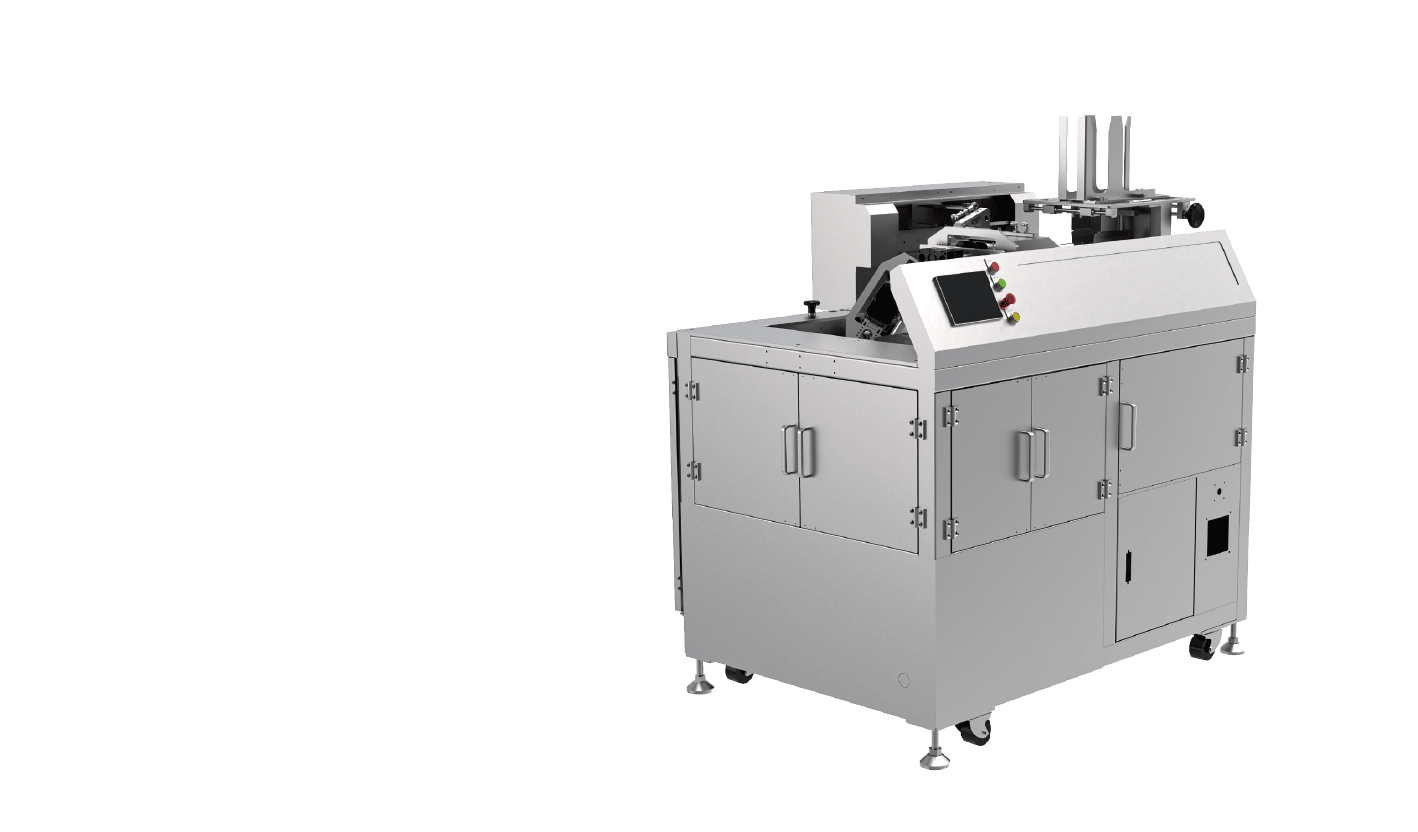
Pre-made bag inserters
These machines work from stacks of pre-manufactured bags, picking one, opening it (often with suction and a blast of air), and inserting it into the waiting case. Pre-made bags are available in a wide range of sizes, film types and structures, including laminated and high-barrier films, gusseted bags and heavy-duty liners, which makes this approach flexible for varied products and barrier requirements. Changeover between bag and case sizes is a matter of selecting the right stack and adjusting the machine to the new format. This is the common choice where products vary, where barrier films are specified, or where volumes do not justify forming bags in house.
Form-from-film inserters
These machines pull flat film from a roll, form it into a liner inside or over the case, and seal and cut it to length, effectively making the bag to fit the box as part of the cycle. Forming from roll stock reduces consumable cost per box at high volume, because a roll of film is cheaper than the equivalent number of pre-made bags, and it removes a packaging material from inventory. It is best suited to high-volume, consistent production where the case range is limited and the film structure is straightforward. The trade-off is less flexibility and a more complex machine; frequent format changes or specialised barrier laminates tend to favour pre-made bags.
The main machine families
Standard and large-box inserters
The general bag inserter range covers the common case sizes used for food, ingredients and light chemicals, picking and placing liners at a steady rate. Larger cases, bulk bags and heavier liners for chemicals, resins, minerals and pet food move to machines built around the bigger box and the stiffer, heavier film, with stronger pickup and insertion mechanics. The TD-300 bag inserting machine covers the larger end of the range, sized to accept bulk cases and place heavy liners without the bag folding or catching as it goes in. Specifying at this end means confirming the maximum case dimensions and the liner size, the stiffness and slip of the film, and the weight of a filled bag the machine must handle if it also assists with loading.
High-speed inserters
For high-volume lines, where the inserter must keep pace with a fast weigher or filler, the machine is built around rapid pickup and reliable opening, the two operations that most often limit speed. The TD100 high-speed bag inserter is built for this duty, with fast cycle mechanics and positive bag opening so that a liner is presented every cycle without the missed pickups that would stop a high-speed filler. At these speeds the infeed of cases and the supply of bags or film must be continuous, which is why high-speed inserters are almost always integrated with the case erector and the filler rather than run as isolated stations.
Vertical inserters with vacuum
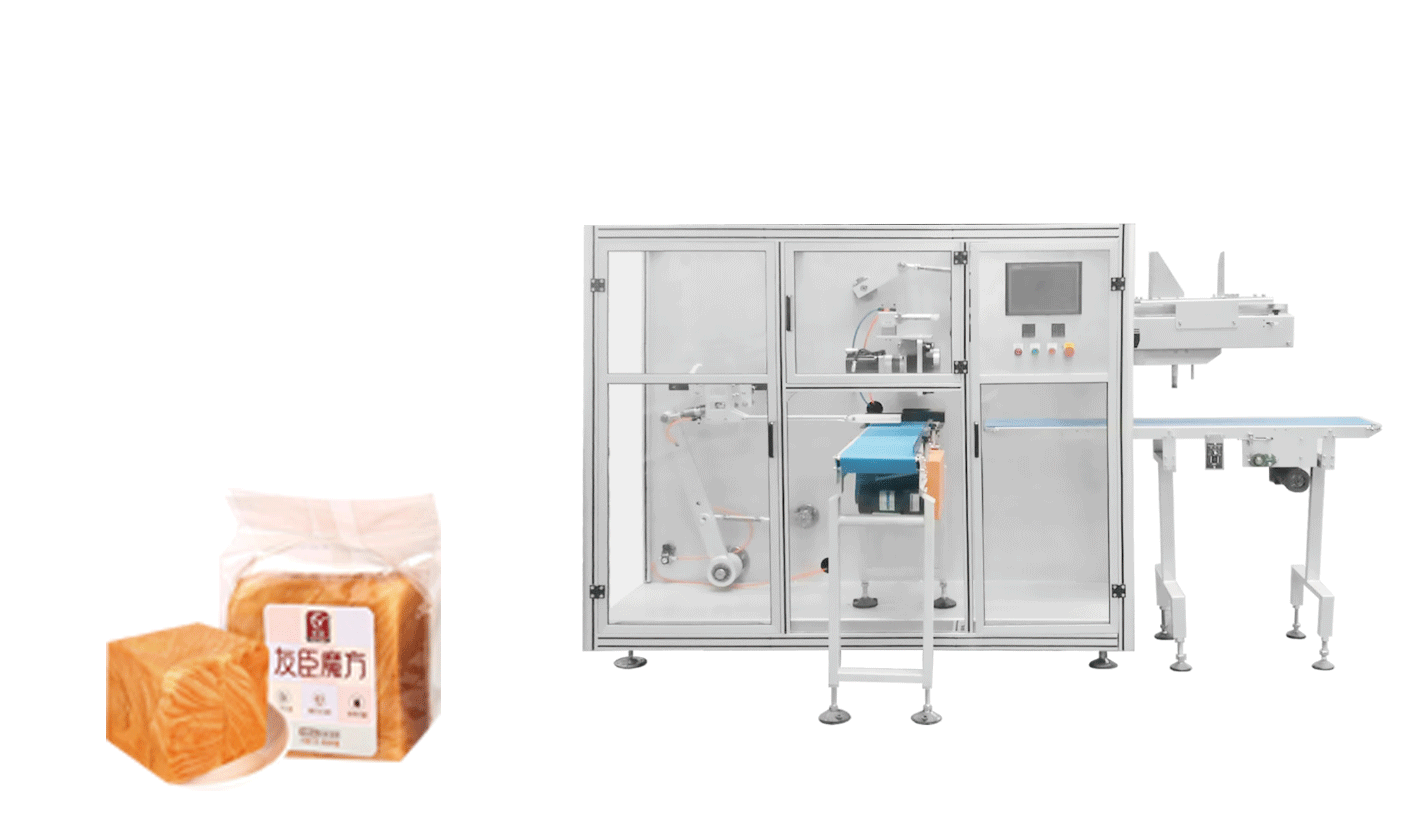
Some products require the air removed from the lined and filled bag before the case is closed, to reduce bulk, protect the product or stop the bag from interfering with the flaps. A vertical inserter with vacuum combines liner placement with a vertical station at which the bag can be opened, filled and then evacuated. The TD-200L vertical bag inserter and the vacuum version place the liner in a vertical orientation suited to this sequence, giving a ready bag and, where configured, the vacuum function that closes the pack down around the product. This architecture suits products where removing air is part of the specification and where a vertical fill is easier than loading a deep horizontal box.
Inserting and packing combinations
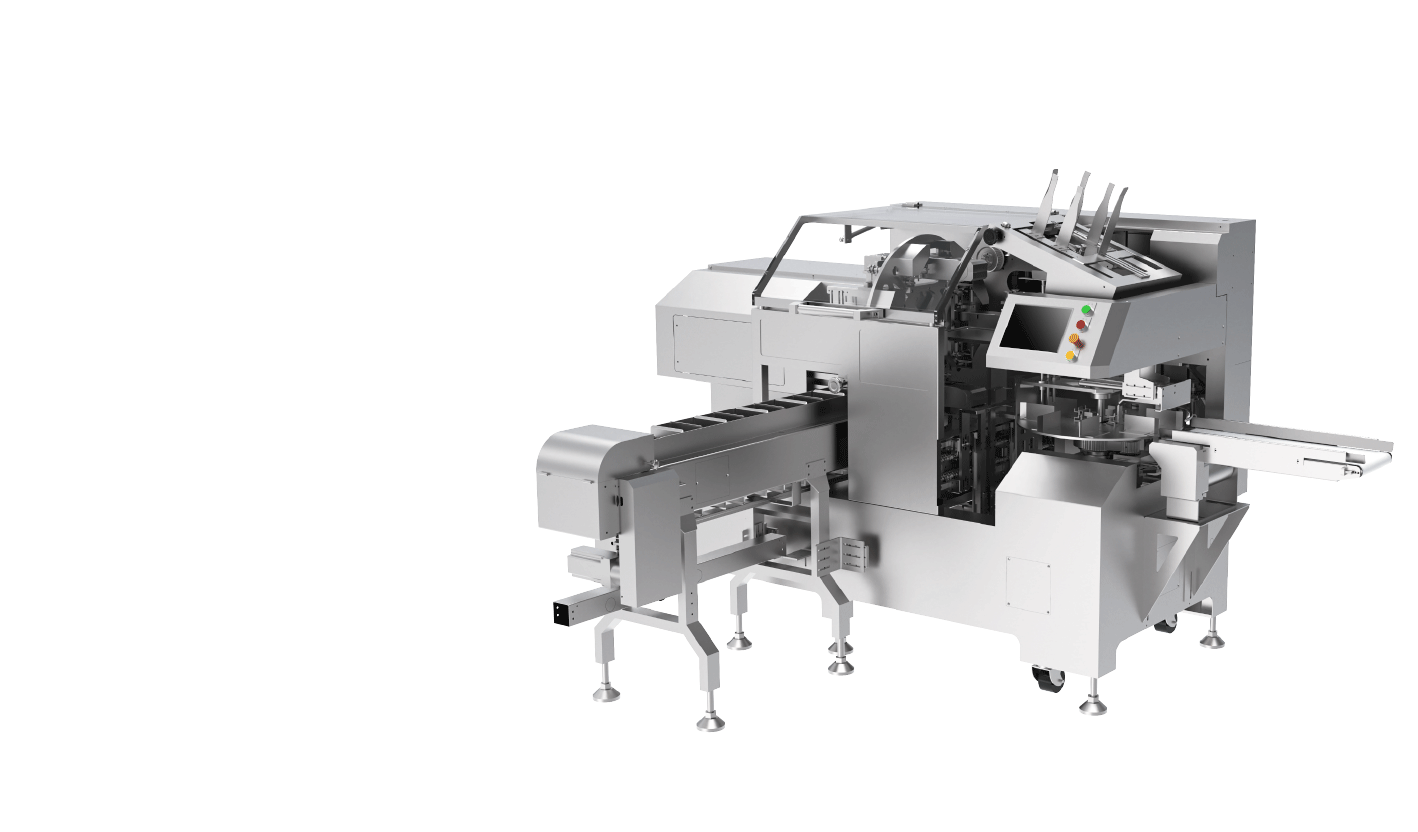
Where the same machine both places the liner and assists with loading product into it, an inserting packer collapses two stations into one. The TD-200A bag inserting packer handles liner placement and the packing action together, which suits lines where an operator or feeder loads product directly into the presented bag. Related models cover vertical and high-speed variants, and specialised inserters are built for particular products, such as the TD200Z inserter for zongzi and similar wrapped foods, which shows how far these machines are tailored to the product. A separate carton bag inserting line, the BM500A carton bag inserting machine, approaches the same task with a different layout suited to case-fed production, with the CM500F as a related configuration.
Specifying the bag and the film
More inserter problems trace back to the consumables than to the machine itself, so the bag specification deserves real attention.
- Bag size relative to the case. The liner must be large enough to line the box and cuff over the rim without being so oversized that it folds, wrinkles or catches the flaps. Bag width, depth and length should be set against the internal case dimensions and the fill height.
- Film type and gauge. LDPE is the common liner, with HDPE, LLDPE and laminated or co-extruded barrier films for particular products. Gauge affects stiffness, which changes how reliably the machine can pick and open the bag.
- Gussets. Side-gusseted bags open to match the box profile and are easier for a machine to place squarely; the bag style should be discussed with the supplier.
- Seal and barrier requirements. Moisture, oxygen, aroma or grease barrier needs determine the film structure, and high-barrier laminates are more often supplied as pre-made bags.
- Slip and anti-static properties. Additives change how bags separate from the stack, which directly affects pickup reliability, particularly for very thin or very smooth films.
The practical advice is to test the actual bags on the machine during acceptance, rather than running the trial on a convenient film the supplier keeps in stock. A liner that opens reliably in the factory but behaves differently with your specified gauge or additive is a predictable source of missed pickups after installation. For food contact, the film must also meet the relevant market requirements, and the equipment should support hygienic operation; the GMP and CE compliance material for food-grade equipment sets out the documentation and design points.
Integration with the rest of the line
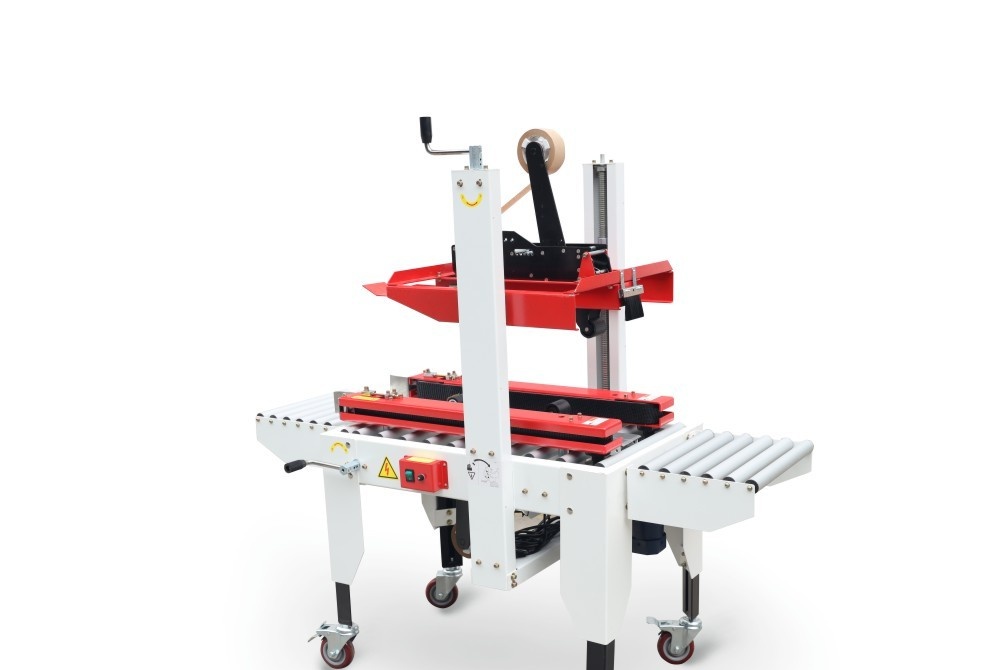
At the simplest level an inserter is loaded with erected cases by an operator and hands lined boxes to a manual fill, with sealing done on a separate machine. As volumes rise, the stations are linked: a case erector feeds empty boxes to the inserter, a powered conveyor carries lined cases under a weigher or auger filler, and a sealer or vacuum station and a case closer complete the pack. At the top end, the whole sequence runs as one integrated system, of the case erecting, packing, sealing and palletising system type, with the bag inserter added at the front and the controls linked so the line runs to a single speed. The choice should be driven by the number of boxes per hour and the number of formats; highly varied, lower-volume production is better served by flexible standalone machines, while a single high-volume product justifies the fully linked line.
Palletising the finished bag-in-box cases uses the same downstream equipment as any line, and the load stabilisation choice depends on the product weight and distribution conditions. The guide to selecting pallet wrappers covers the dispatch end for customers adding wrapping after a bag-in-box line.
The faults that tell you something is mismatched
- Missed or double bag picks. Bags not separating from the stack; review film slip, stack handling and pickup adjustment, and confirm the bag gauge suits the machine.
- Bags failing to open fully. Suction or air opening not matched to the film; very thin or very smooth liners need the opening system tuned to the material.
- Liner placed crookedly or not reaching the bottom. Bag undersized for the box or insertion mechanics misadjusted; size the liner to the internal case and recheck the cuff.
- Bag caught in the case flaps or seal. Oversized liner or bag not tucked before closing; adjust liner length and the closing sequence.
- Inserter waiting on cases. Manual case supply too slow at high volume; link a case erector with a powered infeed.
- Product dust escaping during filling. Bag not properly cuffed or open during the fill; confirm the cuff holds the liner open and consider dust extraction.
- Vacuum not pulling the bag down. Vacuum station mismatched to the bag or product; verify the vacuum cycle on the actual liner during acceptance.
What to put in the RFQ
Give the supplier the case and bag details together: the case dimensions and range, the liner style, film type and gauge, bag dimensions and how it cuffs, the product and how it is filled, the required boxes per hour, and whether vacuum, heat sealing or gas flushing is part of the pack. State how cases will be supplied and finished packs removed, and ask for the cycle time on a representative box, the changeover procedure between formats, and a demonstrated run using your actual bags. Suppliers that ask for the film and bag details up front are engineering around the consumables; those quoting only on box size and speed are leaving the pickup and opening risk with you.
The bag inserter range sits within the packaging machinery catalogue, and where the case sizes, bag materials or layout do not match a standard model, we build modified and fully integrated bag-in-box lines through the custom packaging machine service. Getting the liner and the integration right at the specification stage is far cheaper than tuning a machine around the wrong bags once production has started.
By the SunAura Packaging Machines applications engineering team in Qingdao. We design and build carton bag inserting and integrated bag-in-box packing lines for food, ingredient, pet food, chemical and pharmaceutical producers, including high-speed, vertical and vacuum configurations for export markets.

Michael designs automated palletizing stations and ties upstream case or bag flow to downstream stretch wrapping. His work spans conventional layer palletizers, robotic arm cells, conveyor routing, safety fencing and handover logic between machines. He writes about palletizer selection, load stability and how an end-of-line sequence should be balanced.
See Full Bio ›