
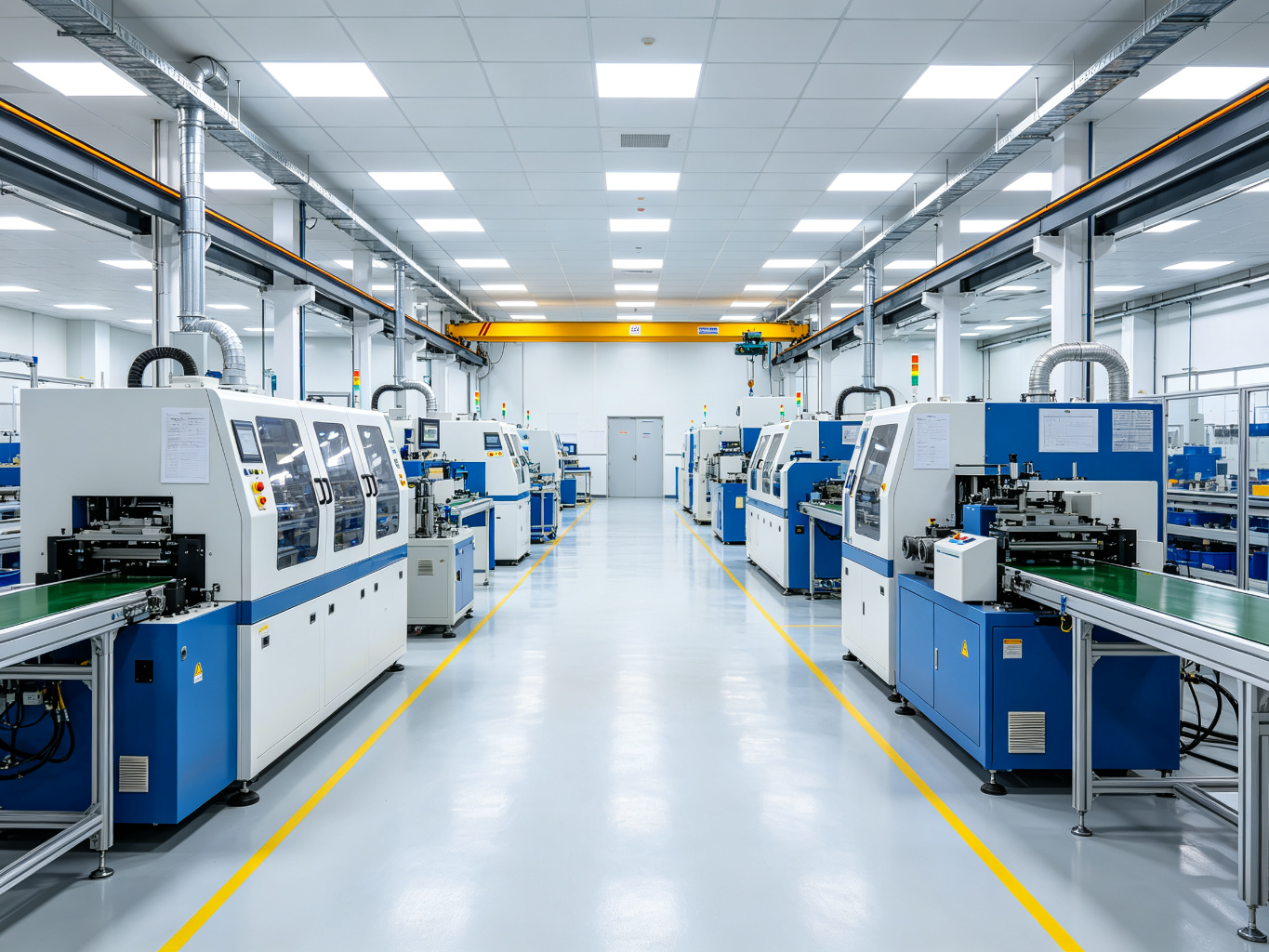
SunAura Packaging Machines has commissioned an automated packaging and end-of-line system for a large date producer in Saudi Arabia, the company announced, handling the sorting-to-pallet flow for the processor’s premium date varieties sold across the Gulf, the wider Middle East and export markets. The line combines automatic product alignment, high-speed flexible wrapping of date trays and packs, case handling and pallet wrapping, replacing manual packing at the end of a plant that ramps sharply around the annual date season.
The project is SunAura Packaging Machines’ latest food-industry installation in the Middle East, delivered alongside the company’s growing regional commissioning and parts coverage. For the Saudi processor, the objectives were to protect a premium product, lift throughput during the peak season and present packs and pallets consistently to demanding retail and export customers.
The product and the production challenge
Dates are among the region’s most established food products, but packaging them at scale presents specific problems. The fruit is sticky, varies in size and grade, and is sold in several formats — loose packs, arranged trays, gift presentations and bulk cartons — with premium varieties graded and presented by hand before they reach the packaging machines. Production is also strongly seasonal, concentrated after harvest, when the plant must process large volumes in a short window without compromising a product whose value depends heavily on appearance. A line that runs inconsistently during those weeks costs more than the equipment itself.
The end-of-line was therefore specified to accept the processor’s full range of packs rather than a single format, with the product aligned and presented automatically before wrapping, and with changeovers between pack and tray sizes handled through stored settings. The same machines run at a steadier pace outside the season for stock and export orders, so the line had to suit both the intense peak and the longer periods of moderate production.
Aligning and feeding the packs
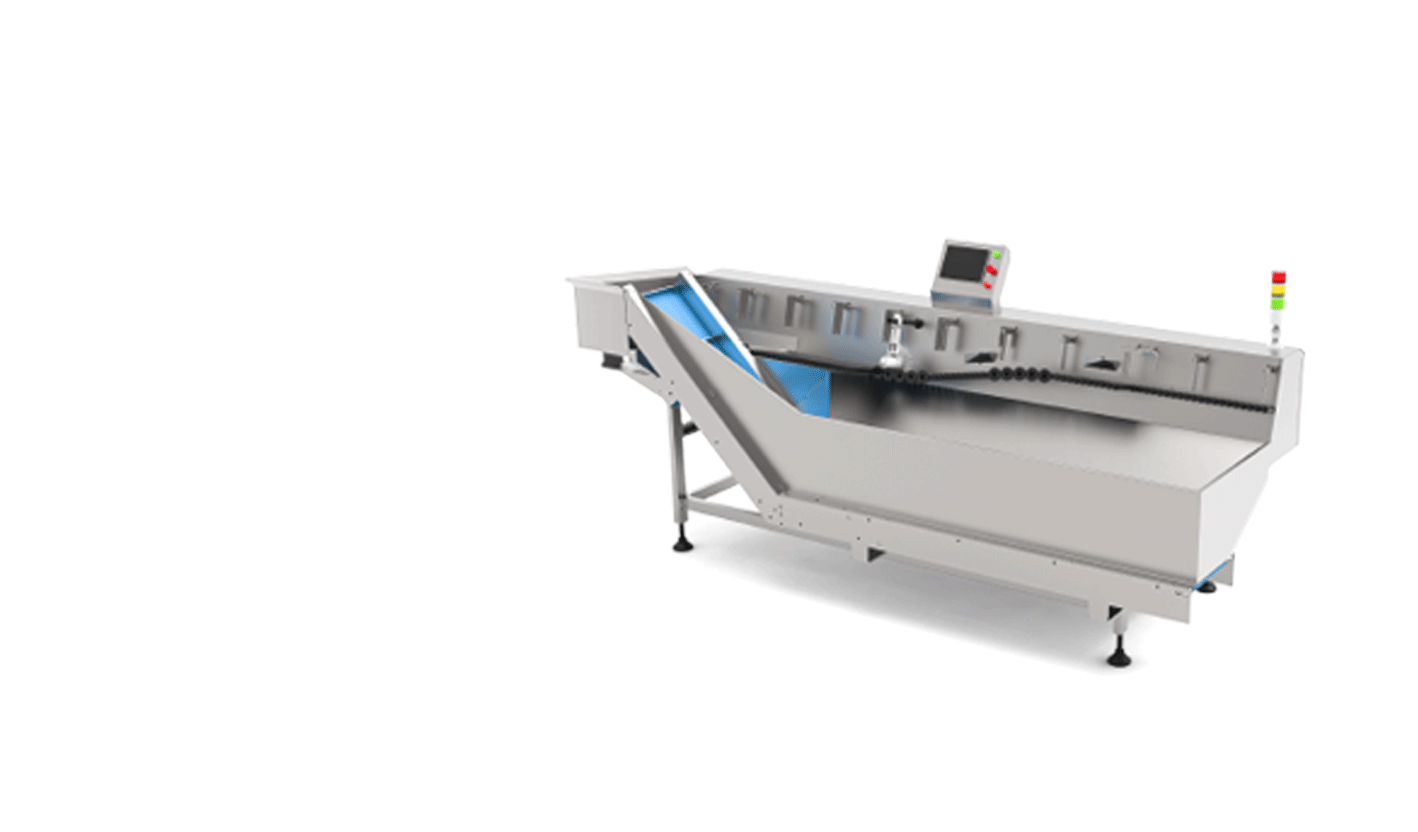
The first automated step is presenting product to the wrapper in the correct orientation and pitch. After grading and tray loading, packs and trays arrive in a stream that must be arranged and spaced before they enter the wrapping machine, the kind of operation performed by an automatic aligning feeder. SunAura Packaging Machines integrated a feeding station equivalent to the WX160 random product aligning feeder, which receives packs and arranges them at the spacing the wrapper requires, removing the manual placement that otherwise bounds the line’s speed. For arranged trays, the station also protects the presentation, keeping trays square and stable as they enter the film.
Wrapping the date packs
Packs and trays are then sealed on a high-speed flow wrapper, which forms film around each product and makes the longitudinal and cross seals at a synchronised rate. For date trays, the sealed film protects the sticky fruit from handling, dust and moisture while leaving the presentation visible, an important selling point for premium retail packs. The wrapper stores recipes for the different pack and tray dimensions, so the plant moves between formats without lengthy mechanical adjustment — essential in a facility running loose packs, trays and gift formats in the same week. Machines in SunAura Packaging Machines’ range, including the wide and large flow wrappers used for food products, provide the formats and rates such lines require.
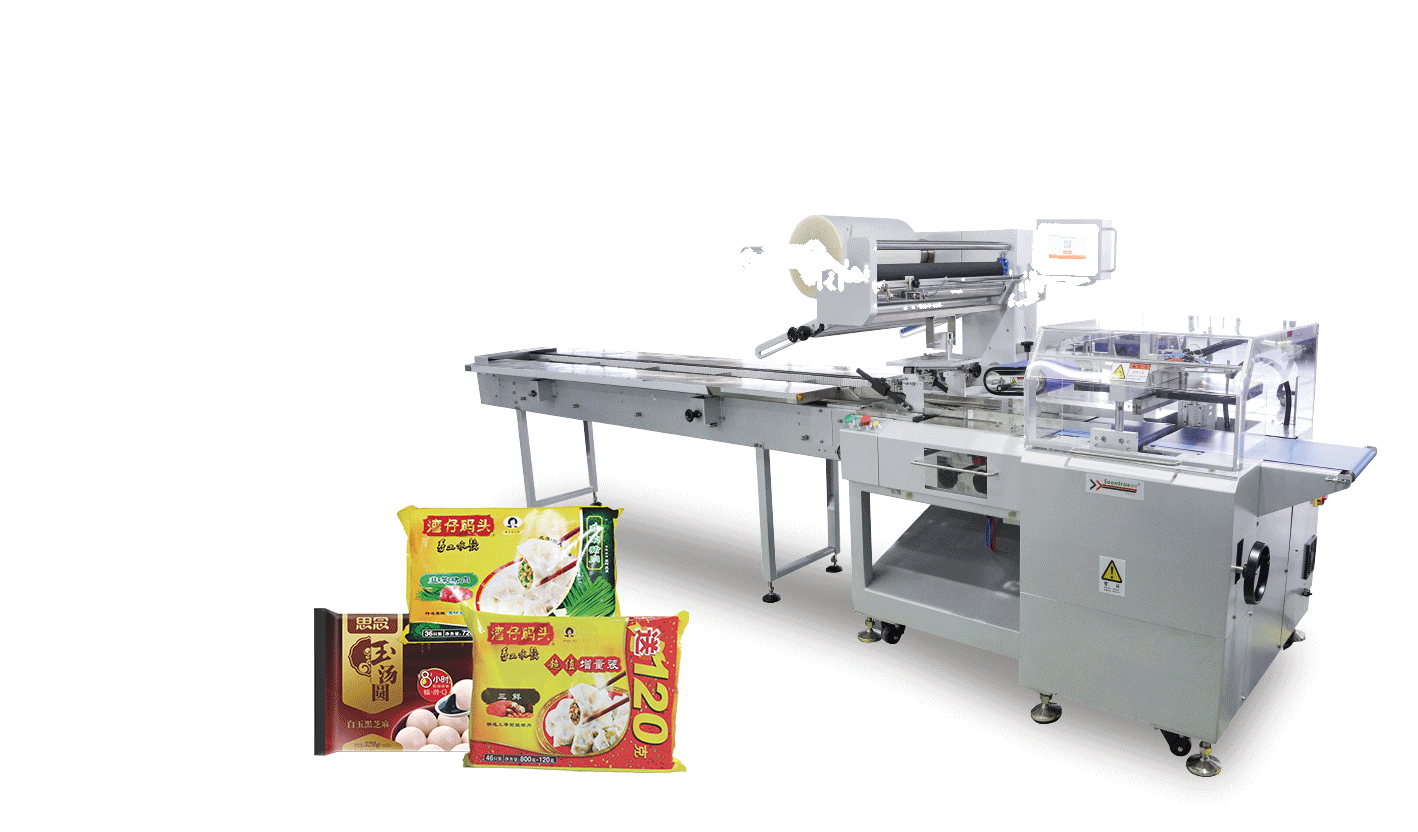
Sealing quality is where the wrapper’s control shows. A pack that is sealed too weakly leaks and lets the fruit dry or attract contamination; film that runs too hot or with poor timing marks or damages premium trays. The wrapper’s electronic synchronisation keeps cuts landing between products at the running rate, and settings for each film and format are stored and repeated, so seal quality does not vary between shifts or operators. The line was commissioned with the processor’s actual films and trays, confirming every format before sign-off.
Cases, pallets and load protection
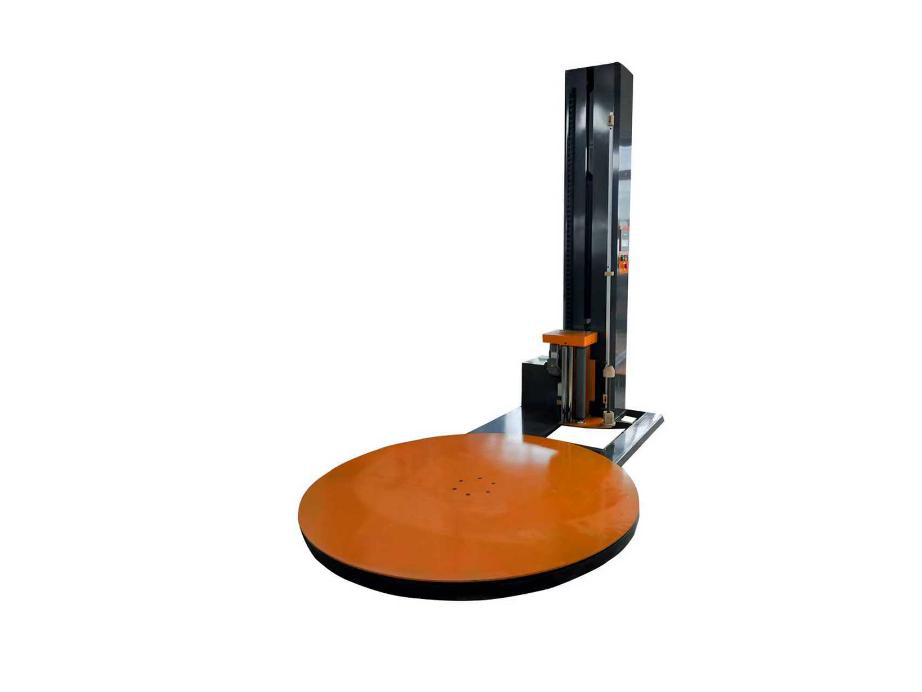
Wrapped packs and trays move into cases — erected and sealed on equipment matched to the plant’s rate — and the sealed cartons are palletised and wrapped before warehousing. The pallet wrapper holds cartons to the pallet with film tension and overlaps set for the loads and their distribution route, including reinforced wraps at the base and top where pallets are most prone to shifting. For export-bound gift and premium formats, SunAura Packaging Machines also advised on the moisture protection needed for sea transit, distinguishing stretch film for pallet stability from the true vapour barriers and desiccants covered in its export packaging guidance.
Because the end-of-line feeds a seasonal plant that cannot afford to stop during the peak, accumulation between the wrapper, case handling and palletising was specified to absorb short pauses — a film change, a pallet swap — without stopping the upstream machines. The same balancing principle applied across the line keeps product moving and is described in SunAura Packaging Machines’ guide to conveyors and product handling systems.
Commissioning, training and regional support
SunAura Packaging Machines commissioned the line with the processor’s full product range and trained operators and maintenance staff separately — operators on running, formats and consumables, technicians on fault diagnosis and the wear parts held in the region. The company’s Middle East parts and commissioning coverage underpins the support, which matters particularly for a seasonal plant that cannot wait on freight during its busiest weeks. The processor also has access to the online Help Center for maintenance intervals and fault resolution between service visits.
SunAura Packaging Machines reports that the line reached its planned rate during commissioning and that the improvements most visible to the customer were the protected presentation of the premium trays, the throughput during the peak and the reduction in manual handling at the end of the line.
Why Middle East food producers keep automating
The Saudi project reflects a wider regional pattern. Food producers across the Gulf continue to invest in processing and packaging capacity to serve growing domestic markets, tourism and large-scale catering, alongside exports, and they increasingly automate as labour for repetitive packing tightens and as retail customers demand consistent, palletised supply. Premium and seasonal products such as dates particularly favour flexible, recipe-based lines, because fixed automation loses its advantage when formats change and when production is concentrated into a short season. SunAura Packaging Machines’ regional installations — in dates, dairy, frozen foods and beverages — show how these pressures translate into complete, supported end-of-line systems rather than isolated machines.
A throughput scenario, in practical terms
The economics of the line are clearest in a concrete picture of the peak season. Imagine the plant running premium arranged trays for a major retailer in the morning and switching to loose packs and gift formats in the afternoon. On the first product, graded trays are placed into the infeed, the aligning feeder arranges them at the wrapper’s pitch, and the flow wrapper seals trays continuously, with the sealed packs moving into cases and on to palletising without manual carrying. When production changes format, the operator recalls the stored recipe, adjusts the guides to the new tray or pack, confirms a short run, and resumes — a changeover measured against a documented standard rather than the judgement of whoever is on shift.
The contrast with the previous manual arrangement is where the return appears, and it sharpens during the seasonal peak. Hand packing and hand placement bounded output by the number of people at the end of the line and varied between shifts, and the plant could not sustain the rate its grading and sorting capacity allowed. The automated line sets the pace by machine, repeats the same seal and tray quality regardless of shift, and uses people to grade and supervise rather than to carry and place. As with other food lines, the saving is counted both in reduced labour and in the protected presentation, fewer damaged trays and more predictable throughput that automation adds on top.
Maintenance planning and protecting uptime
A line of this kind is reliable when it is given a short, scheduled maintenance routine rather than run until a fault stops it, and the seasonal nature of the business makes preparation before the peak especially valuable. The practical work concentrates on the parts that move and meet the product: the belts and rollers on the conveyors and feeder, the sealing jaws, film transport and cutting parts on the wrapper, and the film carriage and turntable on the pallet wrapper. These are inspected before the season begins, common wear parts are replaced ahead of failure, and consumables such as film are stocked so a change of format does not interrupt production.
Because regional parts coverage holds the relevant wear and critical components, the processor can stage parts before the peak and recover quickly from an unplanned stop rather than wait on international freight during its most valuable weeks. SunAura Packaging Machines encourages seasonal producers to schedule a pre-season inspection, in which engineers verify seal quality, check the safety devices and confirm the full range of formats runs as it did at commissioning. The online Help Center supports the plant’s own technicians with fault resolution between visits, keeping more issues inside the factory where they are fastest to resolve.
Frequently asked questions
Can a line handle loose packs, trays and gift formats?
Yes. The wrapper and feeding stations store recipes and change between formats through standardised procedures, with the full pack range confirmed at specification and proved during commissioning. New seasonal or promotional formats are added in the same way as the regular range, so the plant keeps its changeover speed as its product list grows rather than needing new mechanical parts for each addition. The trays and gift packs that carry the highest value are also handled with the gentlest feeding settings, protecting the arrangement that defines their retail price.
How are sticky products like dates protected?
Sealed film wraps protect the fruit from handling, dust and moisture while keeping trays visible, and aligning feeders present trays without disturbing their arrangement.
What happens during the busy seasonal peak?
Accumulation between machines absorbs short pauses so the line keeps running, and regional parts coverage and trained technicians support the plant during the concentrated production window. In practice, the processor stages the wear parts and films it will need before the season begins, schedules a pre-season inspection to confirm every format runs as it did at commissioning, and keeps its own technicians supported through the Help Center so routine issues are resolved on the spot. Because the peak lasts only a matter of weeks, avoiding even a few days of lost running is worth far more than the preparation costs, which is why seasonal plants plan support around the harvest rather than wait for a fault to appear.
How are export gift packs protected in transit?
Stretch wrapping provides pallet stability, while sea voyages require vapour barriers, desiccant and corrosion protection. SunAura Packaging Machines advises on both and supplies the machines that apply them.
Conclusion
The Saudi date line shows how a premium, seasonal food product can be handled by a flexible sequence of aligning, wrapping, case handling and pallet wrapping, specified as one system and supported regionally with parts and engineers. For Gulf producers serving both domestic and export markets, the combination of recipe-based changeovers, protected presentation and reliable peak-season throughput delivers what manual packing cannot sustain. SunAura Packaging Machines continues to supply and support such lines across the Middle East.
If you package dates or other premium, seasonal food products, SunAura Packaging Machines can specify the feeding, wrapping and pallet handling around your formats and peak demand. Contact the applications team with your pack range and target rate, or explore the machines in the products hub, including the SZ wide flow wrappers and the full range of food end-of-line equipment.

Sarah evaluates packaging consumables against machine capability: film gauge and prestretch, PP versus PET and steel strapping, core width, tension settings and corner board use. Her articles connect film and band choice to machine settings, freight damage rates and total cost per pallet, rather than recommending the cheapest consumable on paper.
See Full Bio ›