

Introduction
Choosing the right shrink sleeve labeling machine is one of the highest-leverage decisions for any end-of-line packaging operation. As a Qingdao-based manufacturer with 18+ years and CE/ISO-certified production, SunAura Packaging Machines builds shrink sleeve labeling machine for food, beverage, pharma, cosmetics, and logistics lines across 100+ countries. This guide distills the selection criteria buyers actually need — and shows where a direct-factory partner beats marketplace or premium-OEM pricing.
If you are comparing options for “shrink sleeve labeling machine”, the short version is: define your throughput and pack format first, then match machine type and automation level. The rest of this article walks through the checklist, cost drivers, and a SunAura Packaging Machines solution you can request a quote for.
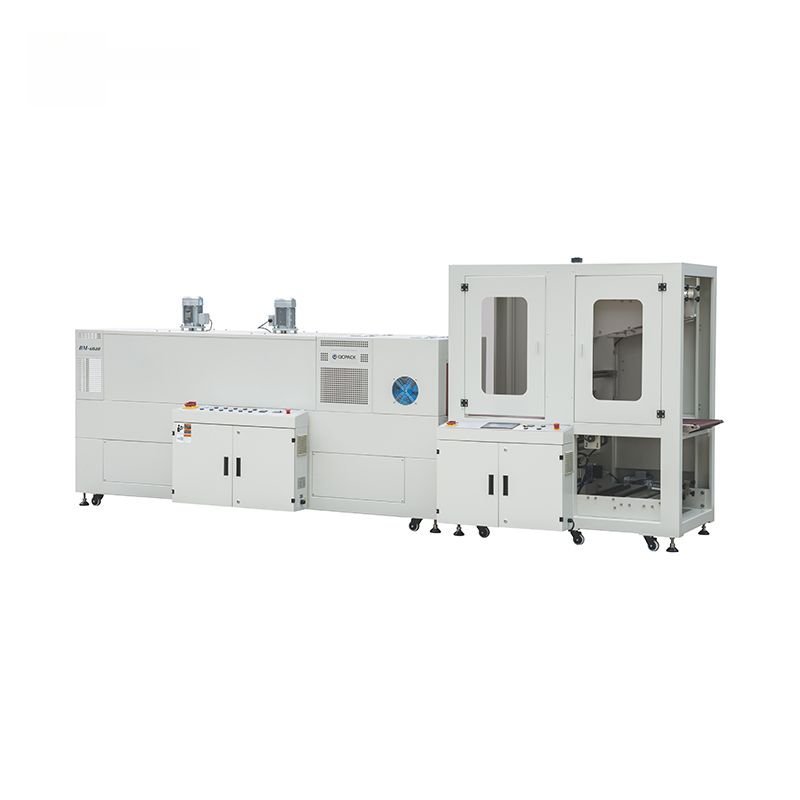
What Is a Shrink Sleeve Labeling Machine?
A shrink sleeve labeling machine is the equipment that applies a heat-shrinkable plastic sleeve around a bottle, can or jar and passes it through a steam or infrared heat tunnel so the label conforms tightly to the shape — for full-body 360° branding and tamper-evidence. Typical SunAura Packaging Machines configurations include sleeve labeler + shrink tunnel. It connects upstream filling/packing to downstream case packing, sealing, and palletizing as part of a complete end-of-line cell.
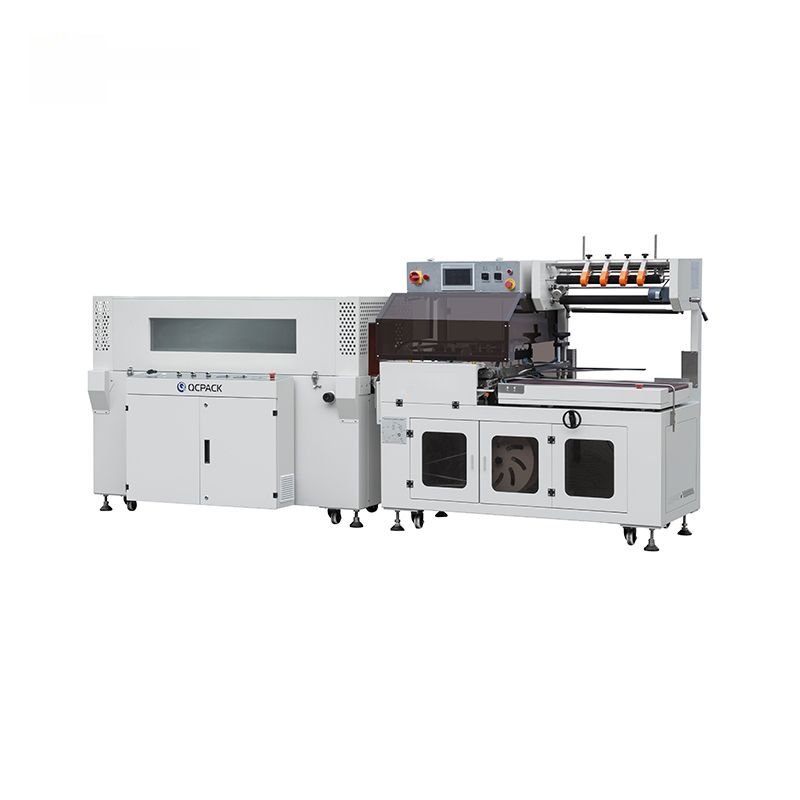
Types & Machine Variants
- Automatic vs semi-automatic — automatic removes labor at 60 bpm+; semi fits low-volume or variable SKUs.
- Model families — sleeve labeler + shrink tunnel.
- Key variants — steam vs infrared tunnel; servo vs pneumatic feed; single-head vs multi-head; random vs uniform containers.
How to Choose — Decision Checklist
The four factors that decide the right shrink sleeve labeling machine:
- Throughput — target units/min and peak/seasonal load.
- Pack / carton format — size range, changeover frequency.
- Film / consumables — container shape, speed (bottles/min), shrink tunnel temp profile, label material.
- Footprint & integration — floor space, upstream/downstream mating.
SunAura Packaging Machines tip: SunAura Packaging Machines sleeve labelers apply full-body sleeves at 60–120 bpm with a matched heat tunnel.
Shrink Sleeve Labeling Machine vs Alternatives (Cost, Speed, Labor, ROI)
Buyers often weigh a shrink sleeve labeling machine against manual packing or a premium European/US OEM. Manual lines cost less upfront but lose on labor and consistency; premium OEMs win on brand but carry 40–50% higher price and longer lead times. A direct China manufacturer like SunAura Packaging Machines lands in the middle: 30–40% lower cost than Tier-1 OEMs with 30–45 day lead times and CE/ISO compliance.
Cost & Quote Factors
What drives the price of a shrink sleeve labeling machine:
- Automation level and servo count
- Container shape, speed (bottles/min), shrink tunnel temp profile, label material
- CE/ISO certification and spare-parts package
- Custom tooling and line integration (for turnkey projects)
| Spec | Typical range | SunAura Packaging Machines note |
|---|---|---|
| Speed | 60–150 bpm | SunAura Packaging Machines sleeve labelers apply full-body sleeves at 60–120 bpm with a matched heat tunnel. |
| Power | 220 V, 50/60 Hz | 220/380V, 50/60Hz |
| Footprint | 2,000 × 1,000 × 2,000 mm | Compact for SME lines |
SunAura Packaging Machines Solution & Differentiators
SunAura Packaging Machines’ shrink sleeve labeling machine line (sleeve labeler + shrink tunnel) is built for reliability and fast payback. Differentiators: 18+ years of end-of-line engineering, CE/ISO certification, 30% pre-stretch / servo energy savings, and a 30–45 day factory lead time. See the product page: Shrink Sleeve Labeling Machine Range.
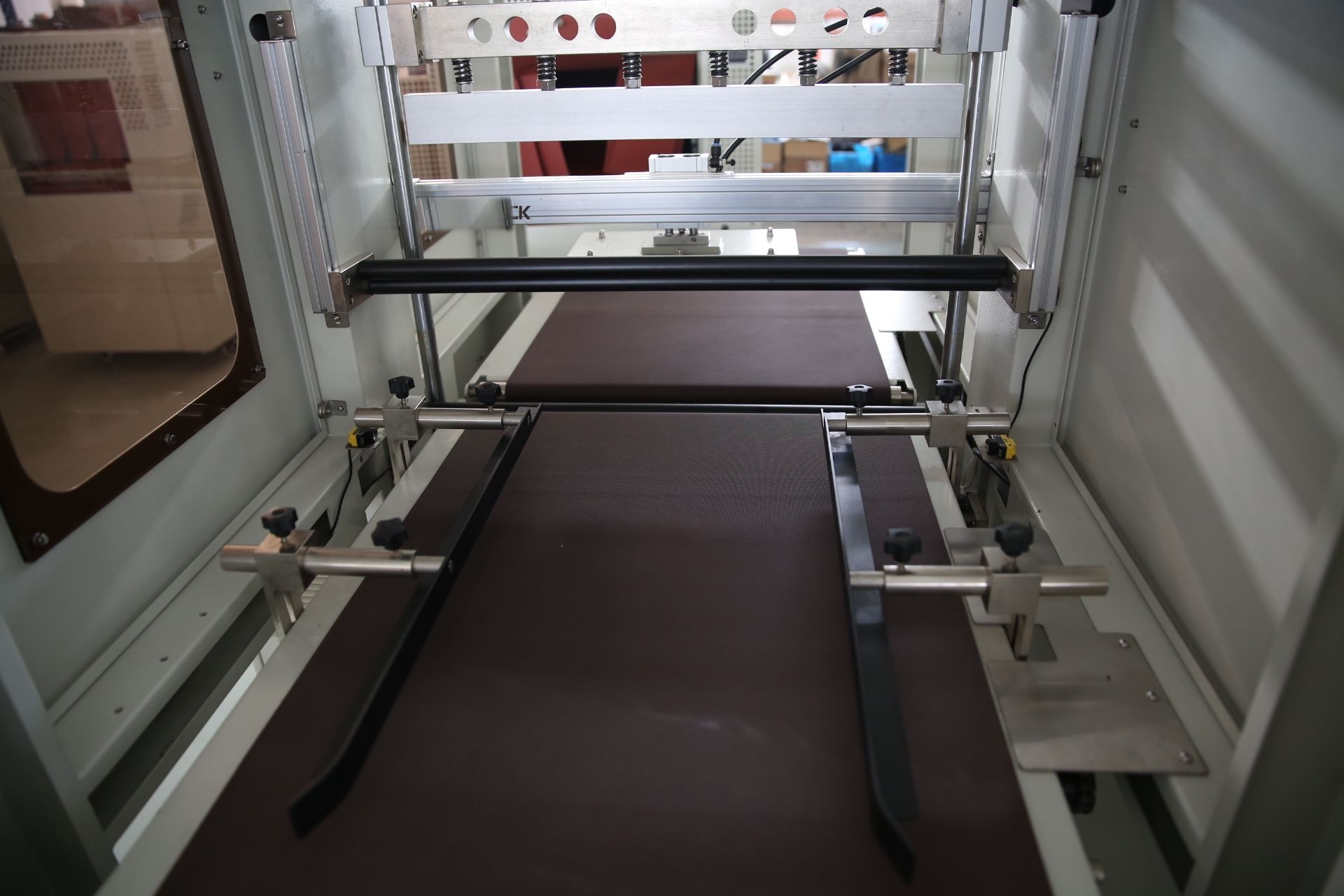
Industry Case Study
Among SunAura Packaging Machines’ verified clients (Mengniu, Yili, JD.com and 100+ exporters), multiple beverage and dairy brands run SunAura Packaging Machines sleeve-labeling and end-of-line equipment across plants.
Frequently Asked Questions
What is a Shrink Sleeve Labeling Machine and how does it work?
A shrink sleeve labeler slides a printed PET, PVC or OPS sleeve over a bottle, can or jar, then conveys it through a steam or infrared heat tunnel where the film shrinks to hug the container 360°. The result is full-body branding, tamper-evidence and UV protection with no adhesive. SunAura Packaging Machines’ labeler paired with a matched tunnel handles round, square and contoured containers at 60–120 bpm with tool-free changeover.
How to choose the right Shrink Sleeve Labeling Machine for my product/line?
Start from three inputs: container shape (round vs square vs contoured), throughput (semi-auto to ~60 bpm, servo auto to 120+ bpm) and film type. Pick the tunnel profile — steam gives crisp shrink on most plastics; infrared suits heat-sensitive or hot-fill containers. Verify changeover time, servo vs pneumatic feed, and insist on CE/ISO with a 72-hour factory test. SunAura Packaging Machines specs each line to your bottle and speed before quoting.
Automatic vs semi-automatic Shrink Sleeve Labeling Machine: which fits my throughput?
Choose semi-automatic when SKUs vary or volume sits below ~60 bpm and labor cost is acceptable — it keeps capital low. Above ~60 bpm, or for steady high-volume lines, servo automatic pays back fast by removing manual labor. SunAura Packaging Machines’ servo sleeve labelers reach 60–120 bpm with recipe-driven changeover, while its pneumatic/semi models suit lower-duty contract packers.
What does a Shrink Sleeve Labeling Machine cost and what drives the quote?
Quotes scale with labeler type (servo vs pneumatic), single- vs multi-head, tunnel (steam vs infrared) and line integration. Compact units run on 220 V, 50/60 Hz; larger lines use 3-phase power. CE/ISO certification, a spare-parts package and custom tooling add to the price. As a Qingdao direct-factory builder, SunAura Packaging Machines typically lands 30–40% below Tier-1 European or US OEMs with 30–45 day lead times.
Shrink Sleeve Labeling Machine vs stretch wrapper / manual packing: ROI comparison?
Manual sleeve applying is slow and inconsistent; a labeler plus tunnel removes that labor and delivers uniform, scuff-free 360° decoration with tamper-evidence manual packing cannot match. A stretch wrapper stabilizes pallets, not decorates containers — the two solve different problems and are often used together on one end-of-line. SunAura Packaging Machines’ energy-saving servo drives cut payback further versus pneumatic machines.
Conclusion & CTA
Selecting a shrink sleeve labeling machine comes down to throughput, format, and total cost of ownership — not just sticker price. SunAura Packaging Machines offers CE/ISO-certified equipment with a fast, factory-direct quote. Request a quote or a free line layout plan via the product page.
Related & Internal Links
- Product page: Shrink Sleeve Labeling Machine Range — explore SunAura Packaging Machines’ full range and request a quote.
- Related articles:

Kevin works on machine development for shrink bundling, shrink hoods and vacuum packaging. He tests film shrink ratios, tunnel heat zones, seal bar performance and chamber cycle times, and feeds that back into machine frame and conveyor design. He writes technical articles on shrink film selection, tunnel temperature balancing and vacuum packaging for industrial and food-adjacent secondary packs.
See Full Bio ›