
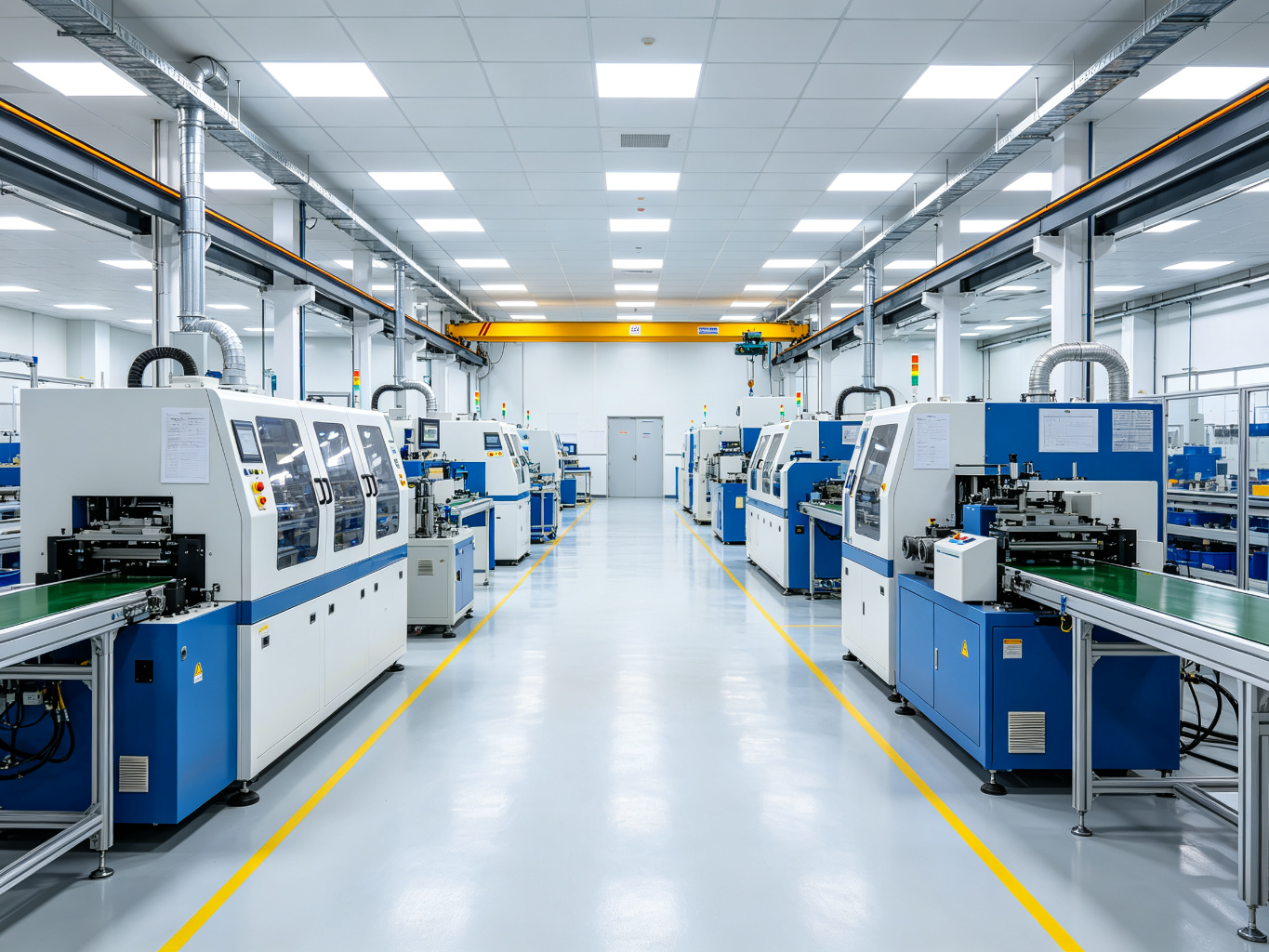
TL;DR. An end-of-line accumulation table in 2026 costs $3,000 (gravity skatewheel) to $35,000 (powered rotary accumulator). The choice between belt, live-roller and rotary accumulation depends on whether you need buffering, product orientation, or both. This guide compares all three, the math on buffer capacity, and the 5 mistakes buyers make.
By Tom Xu, Control Systems Engineer. Tom designs accumulation and merge zones for end-of-line lines.
1. Why accumulation matters
An accumulator buffers product between a fast upstream packer and a slower downstream palletizer, preventing line stops when the palletizer cycles. PMMI’s 2025 secondary packaging survey found that lines without accumulation lose 8–12% OEE when the downstream machine cycles for 30 seconds every 10 minutes.
2. Three accumulator types
| Type | Price | Buffer capacity | Best for |
|---|---|---|---|
| Gravity skatewheel / roller | $3,000–$8,000 | 10–30 cases | Light loads, low buffering |
| Powered belt/live-roller | $8,000–$20,000 | 30–100 cases | Mid volume, smooth flow |
| Rotary accumulator (spiral/power-and-free) | $20,000–$35,000 | 100–500 cases | High volume, dense buffering |
3. Buffer math
Required buffer = downstream downtime × upstream rate. If palletizer cycles 60 seconds every 10 minutes and upstream runs 20 cases/min, you need 20 cases of buffer. Add 30% for safety.
4. Decision matrix
| Your situation | Recommended |
|---|---|
| <10 cases buffer needed | Gravity skatewheel |
| 10–100 cases, smooth flow | Powered live-roller |
| 100+ cases, limited floor space | Rotary/spiral accumulator |
5. Common pitfalls
- Under-sizing buffer — palletizer cycles still stop upstream.
- No photo-eye — accumulator fills completely and jams.
- Wrong surface — belt for unstable product, roller for rigid cases.
- No lane dividers — cases cross-lane and jam.
- Skip floor space — rotary accumulators need 3–5 m diameter.
6. Frequently asked questions

Tom programs and commissions the control layer that links separate machines into a coordinated end-of-line: PLC logic, sensor placement, conveyor synchronization, speed matching, HMI screens, alarms and safety interlocks. His articles explain control architecture, signal handover between machines and how automation affects line reliability.
See Full Bio ›