
Introduction
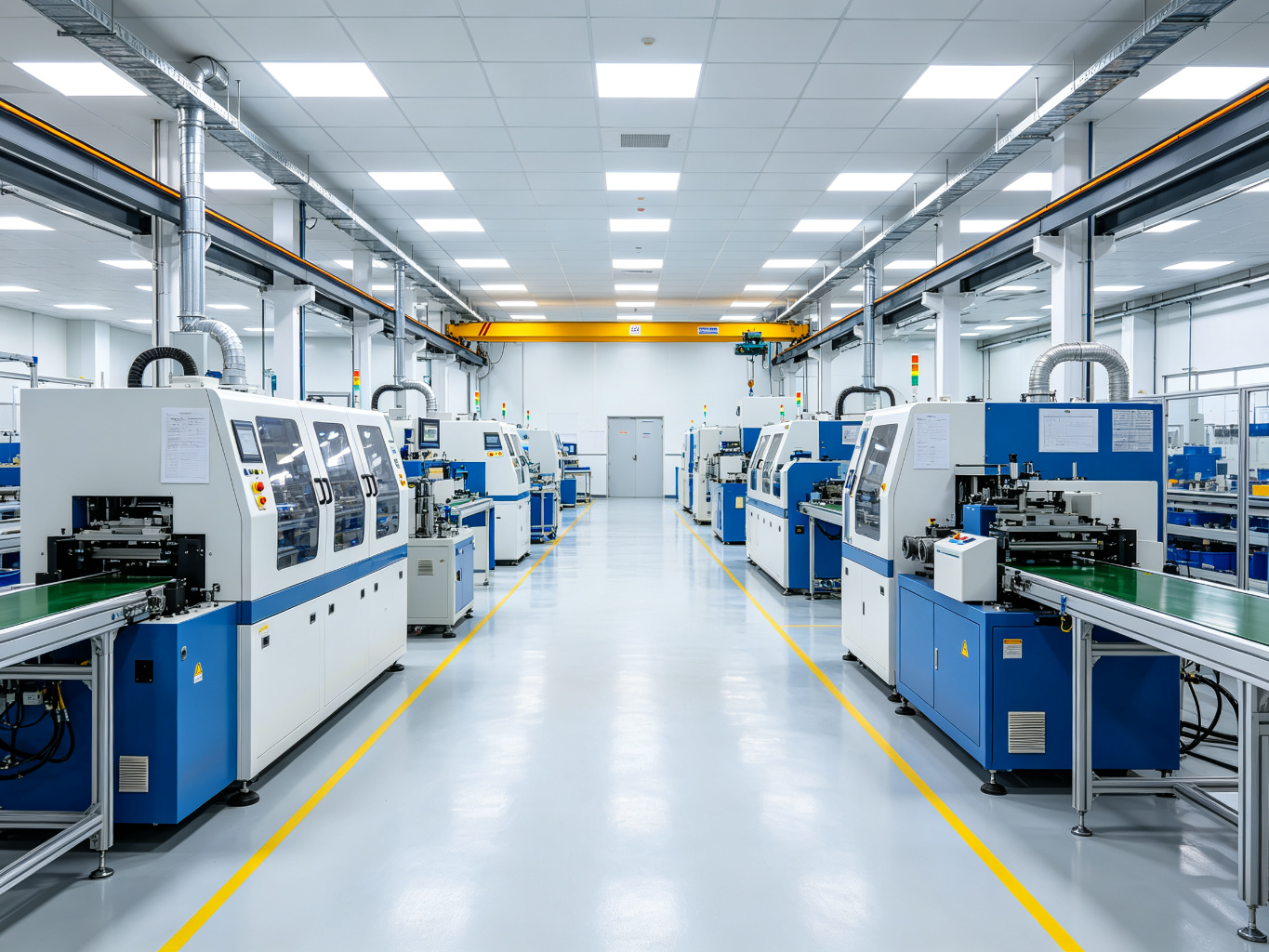
A case erector is the unsung hero of any end-of-line packaging line. It’s the first machine that touches every case your product ships in — and if it jams, mis-folds or bottom-seals poorly, everything downstream grinds to a halt.
With 18+ years of end-of-line engineering and CE/ISO-certified production, SunAura Packaging Machines builds case erectors for customers across 100+ countries. This guide walks you through the selection criteria — semi-auto vs fully-auto, tape vs glue, speed ratings — so you can pick the right erector for your case size and throughput, not just the cheapest one on the list.
What Is a Case Erector?
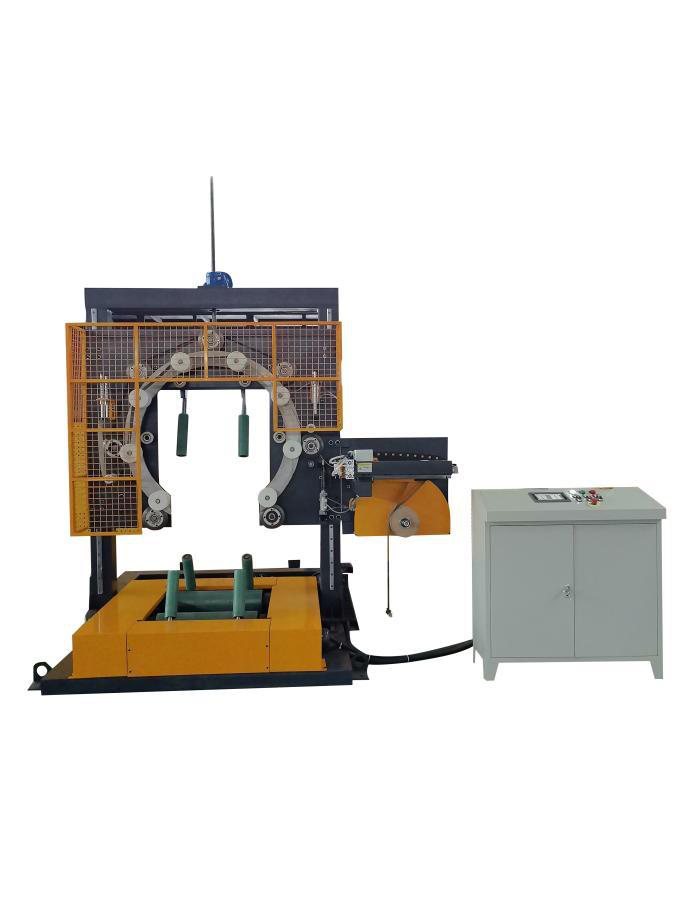
A case erector takes a flat, die-cut corrugated board blank (an RSC case), folds it into a rectangular box, and seals the bottom flaps — either with packing tape or hot-melt glue. The erected case then moves downstream to be loaded with product, top-sealed, and palletized.
It’s the starting point of the end-of-line cell. In a manual warehouse, workers fold and tape cases by hand at a rate of 200–400 per hour. An automatic erector does 600–1,800 cases per hour (10–30 cases/min) with zero labor and consistent seal quality every time.
Types of Case Erectors
| Type | Speed | Best For | SunAura Packaging Machines Series |
|---|---|---|---|
| Semi-automatic case erector | 5–10 cases/min | Low volume, variable case sizes, small warehouses | KXS-400 |
| Automatic random-size erector | 10–18 cases/min | E-commerce, multi-SKU, mixed case sizes | KXS-500 |
| Automatic fixed-size erector | 15–30 cases/min | High-volume, stable case size, manufacturing | KXS-650 / BTK Series |
| All-in-one erect + pack + seal | 10–20 cases/min | Space-constrained lines, small-footprint needs | CES / CER Series |
SunAura Packaging Machines tip: If you ship 10+ different case sizes (e-commerce, 3PL), choose a random-size erector that auto-adjusts to each case. If you run 1–3 standard case sizes (manufacturing, CPG), a fixed-size erector is simpler and cheaper per case.
How to Choose — Decision Checklist
Five inputs determine the right case erector for your operation.
1. Case Size Range
Measure your smallest and largest case (L × W × H). The erector must handle the full range. Narrow range = simpler machine. Wide range = adjustable mechanisms or random-size capability.
2. Throughput Target
How many cases per minute? Semi-auto handles 5–10. Fixed-size auto handles 15–30. Build in 20% headroom for seasonal peaks.
3. Bottom Seal Method
Tape sealing — cheap, easy, standard for most shipping cases. Hot-melt glue — premium, faster, better for high-speed lines or wet/frozen environments. Tape is the default; glue is an upgrade.
4. Case Board Grade
Flute type matters: B-flute (thin, retail-ready), C-flute (standard shipping), E-flute (graphics), double-wall (heavy/export). Thicker board needs stronger suction cups and fold mechanisms.
5. Integration & Footprint
Will the erector feed directly into a case packer or manual loading station? Conveyor height and speed must match. Measure your floor space — erectors are 2–3 m long, plus infeed magazine.
6. Environment
Cold storage, washdown, or dusty environments need stainless steel and sealed electricals. Standard painted steel is fine for dry warehouses.
Manual vs Automatic Case Erecting
| Automatic Erector | Manual Erection | |
|---|---|---|
| Labor per shift | 0 (machine-fed) | 1–2 workers folding + taping |
| Cases per hour | 600–1,800 | 200–400 |
| Seal consistency | Perfect every time | Variable — depends on worker |
| Upfront cost | $8,000–$30,000 | $0 (just tape gun) |
| Annual labor cost | $0 | $40,000–$80,000/worker/year |
| Payback period | 6–18 months | N/A |
If you’re erecting more than 200 cases per day, an automatic erector pays for itself in under a year through labor savings alone — before counting reduced tape waste and better seal quality.
Cost & Quote Factors
What drives the price of a case erector:
- Speed rating — 5 cpm semi-auto vs 30 cpm high-speed
- Case size range — single size vs random-size adjustment
- Seal method — tape (standard) vs hot-melt glue (upgrade)
- Automation level — semi-auto (operator loads blank magazine) vs fully auto (auto-fed from pallet)
- Options — case labeller, inkjet coder, reject conveyor, case squaring station
- Construction — painted steel vs stainless washdown
| Spec | Typical Range | SunAura Packaging Machines Note |
|---|---|---|
| Speed | 5–30 cases/min | KXS-650 handles up to 25 cpm fixed-size |
| Case size range | 150–600 mm length | Adjustable for SKU variety |
| Seal method | Tape (standard) / hot-melt | Both available; glue for high-speed |
| Power | 220V / 380V, 50/60Hz | Configured to your supply |
| Air pressure | 0.5–0.7 MPa | Pneumatic fold and seal |
Common Case Erection Problems (and How to Avoid Them)
Problem 1: Cases Jam at the Magazine
Cause: Warped blanks, wrong suction cup size, or low air pressure.
Solution: Use dry, flat board stock. Specify proper suction cup diameter for your board grade. Maintain 0.6 MPa air pressure.
Problem 2: Bottom Seal Leaks or Peels
Cause: Tape not pressed firmly, wrong tape width, or worn tape dispenser.
Solution: Use 48mm water-activated or PVC tape. Replace tape roller when worn. SunAura Packaging Machines erectors include a pressure platen that crimps the tape firmly.
Problem 3: Cases Come Out Crooked
Cause: Guide rails not set for case width, outfeed conveyor speed mismatch.
Solution: Adjust side guides to case width + 5mm. Synchronize outfeed speed with erector output. Random-size models auto-adjust.
Problem 4: Frequent Changeover Downtime
Cause: Manual, tool-based changeover between case sizes.
Solution: Choose servo-driven, recipe-controlled changeover. SunAura Packaging Machines erectors change size in 2–5 minutes with hand-crank or HMI adjustment.
SunAura Packaging Machines Case Erector Range
SunAura Packaging Machines builds case erectors in our 48,000 m² Qingdao factory — from semi-automatic tabletop models to fully automatic random-size erectors integrated into complete end-of-line systems.
What every SunAura Packaging Machines erector includes:
- Pneumatic case folding and bottom sealing
- Adjustable case size guides (hand-crank or servo)
- Vacuum suction cup case pick-up from magazine
- Case count and fault diagnostics on HMI
- Low-case-level alarm for magazine refill
- 72-hour pre-shipment test with your case blanks
- Bilingual manual + step-by-step video guides
Standard lead time: 15–25 working days. Warranty: 12 months from commissioning.
Explore the range: Case Erector Catalog
Industry Case Study
An e-commerce fulfillment center needed to handle 50+ different case sizes across 12,000 orders per day. SunAura Packaging Machines supplied 4 random-size case erectors integrated with a robot case packing system. The erectors auto-adjust to each case size in under 10 seconds — no manual changeover, no jams — and reduced case erection labor from 8 workers per shift to zero.
Frequently Asked Questions
What is a case erector and how does it work?
A case erector takes flat, die-cut corrugated board blanks, picks one from the magazine with suction cups, folds it into a rectangular box, and seals the bottom flaps with tape or hot-melt glue. The erected case then moves downstream to be loaded with product. It replaces manual case folding and taping — running at 10–30 cases per minute with zero labor.
How do I choose the right case erector for my operation?
Start with five inputs: (1) your case size range — narrow range = simple fixed-size erector, wide range = random-size; (2) target cases per minute — 5 cpm semi-auto vs 30 cpm high-speed; (3) seal method — tape (standard) vs hot-melt (high-speed); (4) corrugated board grade — double-wall needs stronger suction; (5) whether it needs to integrate with a downstream case packer. Send these to SunAura Packaging Machines and we’ll spec the right model.
Tape vs hot-melt bottom seal — which is better?
Tape sealing is the default: cheap, easy to apply, and works for 90% of shipping cases. Hot-melt glue is faster (better for 20+ cpm lines), more durable in wet or frozen environments, and gives a cleaner bottom. It adds a glue system and slightly more maintenance. Choose tape unless you run at high speed or have special environment requirements.
How much does a case erector cost?
Semi-automatic case erectors start at $3,000–$8,000. Automatic fixed-size erectors range from $10,000 to $20,000. Random-size erectors for multi-SKU e-commerce run $20,000–$35,000. As a direct Qingdao factory, SunAura Packaging Machines typically prices 30–40% below Tier 1 European or US OEMs for equivalent specification.
How do I maintain a case erector?
Daily: check air pressure, clear jammed cases, inspect tape path. Weekly: clean suction cups, lubricate slide rails, check tape roller tension. Monthly: inspect seals and pneumatic fittings, verify case squaring alignment. SunAura Packaging Machines provides a full maintenance checklist and video guides with every machine, plus remote VPN support for troubleshooting.
Conclusion & CTA
Choosing a case erector comes down to case size range, throughput, seal method and integration — not just sticker price. A well-sized erector eliminates case-jam downtime and pays for itself in labor savings within 6–18 months. SunAura Packaging Machines offers CE-certified case erectors at factory-direct pricing with a 72-hour pre-shipment test on your actual cases.
Request a quote with your case dimensions, daily volume and seal preference — our sales-engineer team replies within 24 working hours via the product inquiry page.
Related & Internal Links

David leads our case sealing and cartoning engineering team. Over 14 years he has specified, installed and commissioned hundreds of random-size case sealers, top- and side-loading cartoners, and automatic case packers for food, household and industrial product lines. He writes buying guides and troubleshooting articles around seal quality, tape and hot-melt glue selection, and carton throughput limits.
See Full Bio ›