
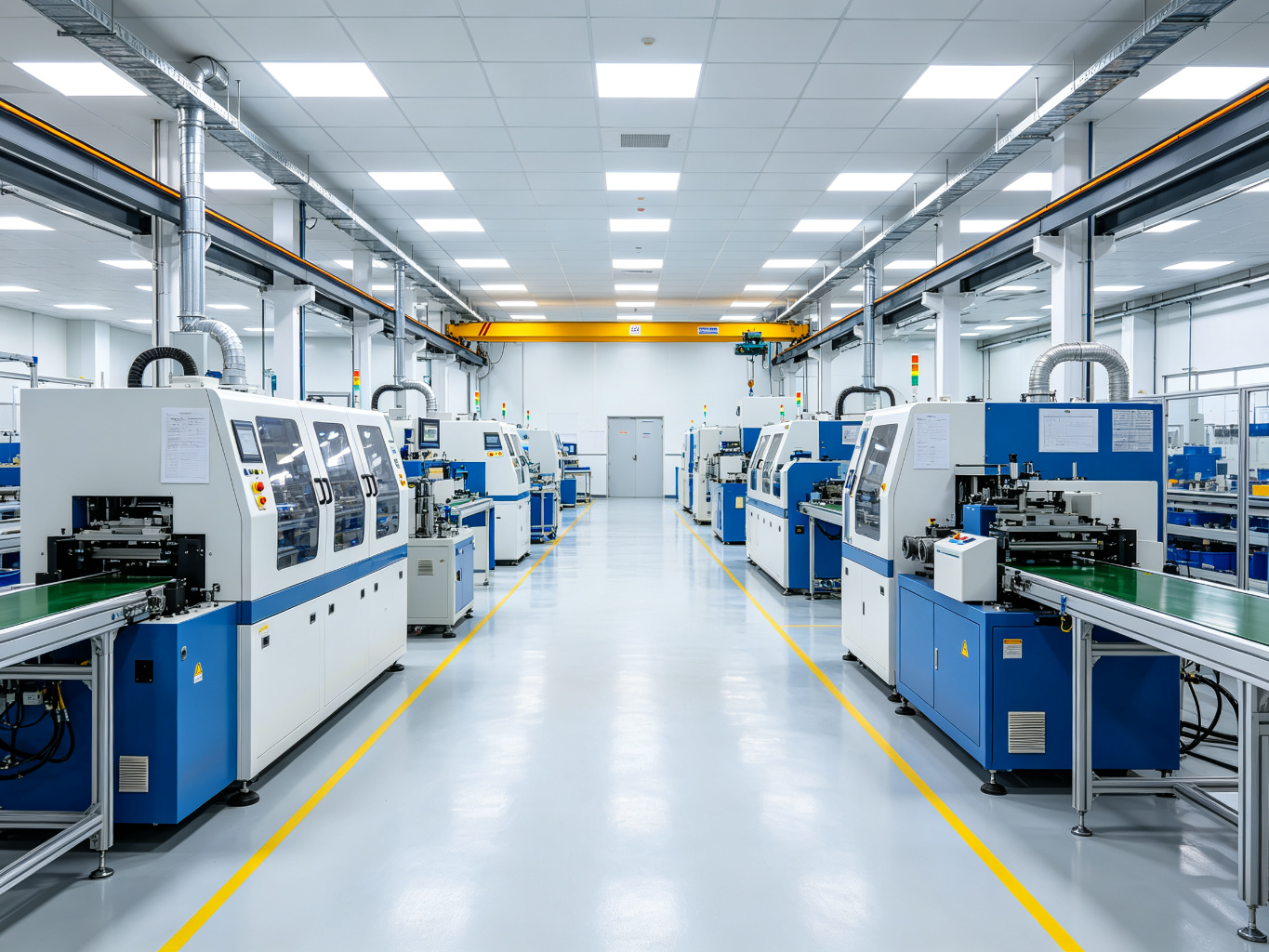
TL;DR. Sourcing a cartoning machine in 2026 means choosing between horizontal end-load cartoners ($40k–$120k), vertical top-load cartoners ($60k–$180k) and continuous-motion high-speed cartoners ($150k–$400k). The right machine depends on product shape (bottles, blister packs, pouches, sachets), carton size and throughput. This guide compares supplier tiers, the pick-and-place vs manual collation decision, and the 10 questions that separate a real cartoner builder from a trading company.
By Luna Yang, Process Engineer. Luna has specified and validated cartoning lines for pharmaceuticals, cosmetics and food, and has audited cartoner builders in Germany, Italy and China.
1. The cartoning market in 2026
Cartoning remains the default secondary packaging format for pharmaceuticals, cosmetics, confectionery and small food goods. PMMI’s secondary packaging outlook notes that cartoning still holds the largest share of secondary packaging spend in pharmaceuticals, while shrink bundling has taken share in beverage and household chemicals. The trend toward retail-ready and e-commerce-ready packaging is pushing cartoners toward smaller cartons, faster changeovers and integrated barcode inspection.
Statista’s packaging equipment data shows continuous-motion horizontal cartoners as the fastest-growing segment, driven by pharmaceutical serialization requirements and the need to aggregate cartons into cases with traceability.
2. Three cartoner architectures
| Type | Speed | Price | Best for |
|---|---|---|---|
| Semi-automatic horizontal end-load | 30–60 cartons/min | $25,000–$60,000 | Small pharma/cosmetics, short runs |
| Automatic continuous-motion horizontal | 80–200 cartons/min | $80,000–$200,000 | High-volume pharma, confectionery |
| Vertical top-load cartoner | 40–120 cartons/min | $60,000–$180,000 | Pouches, sachets, flow-wrapped products |
| Robotic pick-and-place cell into tray/case | 30–80 packs/min | $70,000–$150,000 | Mixed SKUs, fragile products |
3. Horizontal end-load vs vertical top-load
Horizontal end-load carters take a flat carton blank, fold it into a tube, and push the product in from the end. They work best for rigid products: bottles, jars, blister packs, small boxes. Speeds run 80–200 cartons/min on continuous-motion machines. The downside: the product must be rigid enough to be pushed, and the carton must be opened on the side.
Vertical top-load cartoners form the carton upright and drop the product in from the top. They work best for soft or fragile products: pouches, sachets, flow-wrapped bars, bakery items. Speeds are slower (40–120 cartons/min) because the drop is slower, but the product handling is gentler. Food Engineering’s 2025 equipment survey notes vertical top-load growth outpacing horizontal in bakery and confectionery as SKUs fragment.
4. Supplier tiers
| Tier | Examples | Price premium | Best for |
|---|---|---|---|
| Global OEM | Marchesini, IMA, Cama, Bosch, Somic | 2.5–4× | Pharma 24/7 lines needing serialization |
| Regional integrator | Domestic cartoner builders | 1.3–1.8× | Mid-volume food/cosmetics |
| Direct-from-Asia | Chinese cartoner exporters | 0.4–0.7× | Non-pharma, low-risk food, short runs |
5. Configuration checklist
- Carton blank size range: specify min and max length, width, depth.
- Product collation: manual infeed, automatic collator, or robotic pick-and-place?
- Closing method: tuck closure (cheap, re-openable) vs hot-melt glue (tamper-evident, faster).
- Serialization: for pharma, require 2D barcode printing and vision inspection.
- Changeover: tool-free changeover vs 30-minute tooling swap — this matters if you run 5+ SKUs.
- Control: Siemens or Allen-Bradley PLC with HMI recipe storage.
- guarding: interlocked doors and safety light curtains per ISO 12100.
6. TCO over 5 years
| Cost | Semi-auto horizontal ($40k) | Continuous-motion ($150k) |
|---|---|---|
| Purchase | $40,000 | $150,000 |
| Carton stock (5 years) | $60,000 | $60,000 |
| Labour (1.5 vs 0.4 operator) | $180,000 | $48,000 |
| Maintenance & parts | $8,000 | $25,000 |
| 5-year TCO | $288,000 | $283,000 |
At 100 cartons/min, the two-tier machines converge on TCO. Below 60 cartons/min, the semi-automatic wins; above 120, the continuous-motion wins decisively.
7. Common pitfalls
- Buying a horizontal cartoner for soft pouches — they jam.
- Specifying tuck closure for tamper-evident pharma — fails inspection.
- Under-sizing the collator — the cartoner outruns the upstream product feed.
- Forgetting serialization vision on pharma lines — regulatory failure.
- Buying a fixed-tooling machine when you will add 3 SKUs next year.
8. Questions to ask suppliers
- What is the sustained cartons/min at my largest and smallest carton?
- How long does a SKU changeover take, and what is stored in the HMI?
- Do you have a reference line in my industry?
- What is the warranty, and what is excluded?
- Where are spare parts stocked?
- Do you provide serialization (2D barcode + vision) for pharma?
- What is the lead time, and what slips it?
- What carton blank material thickness range do you accept?
- Do you support remote diagnostics?
- Can I run my product at the factory before acceptance?
9. Frequently asked questions

Luna validates cartoning and secondary packaging processes on live product samples: carton erection, tuck and glue closure, leaflet insertion, multipack grouping and case loading handover. She writes about carton formats, process flow, packaging changeovers and validation steps buyers should run before accepting a cartoning machine.
See Full Bio ›