

Introduction
Choosing the right cartoning machine is a make-or-break decision for any food, pharma, cosmetics or household-products line. Get it right and you get crisp, consistent cartons at the speed your upstream equipment produces. Get it wrong and you inherit jams, crushed cartons, and operators pulling boxes off the line by hand.
With 18+ years of end-of-line engineering and CE/ISO-certified production, SunAura Packaging Machines builds horizontal and vertical cartoning machines for customers across 100+ countries — from small contract packers to high-volume CPG lines. This guide distills the selection criteria we use with our own buyers, so you can evaluate proposals on technical merit rather than sales talk.
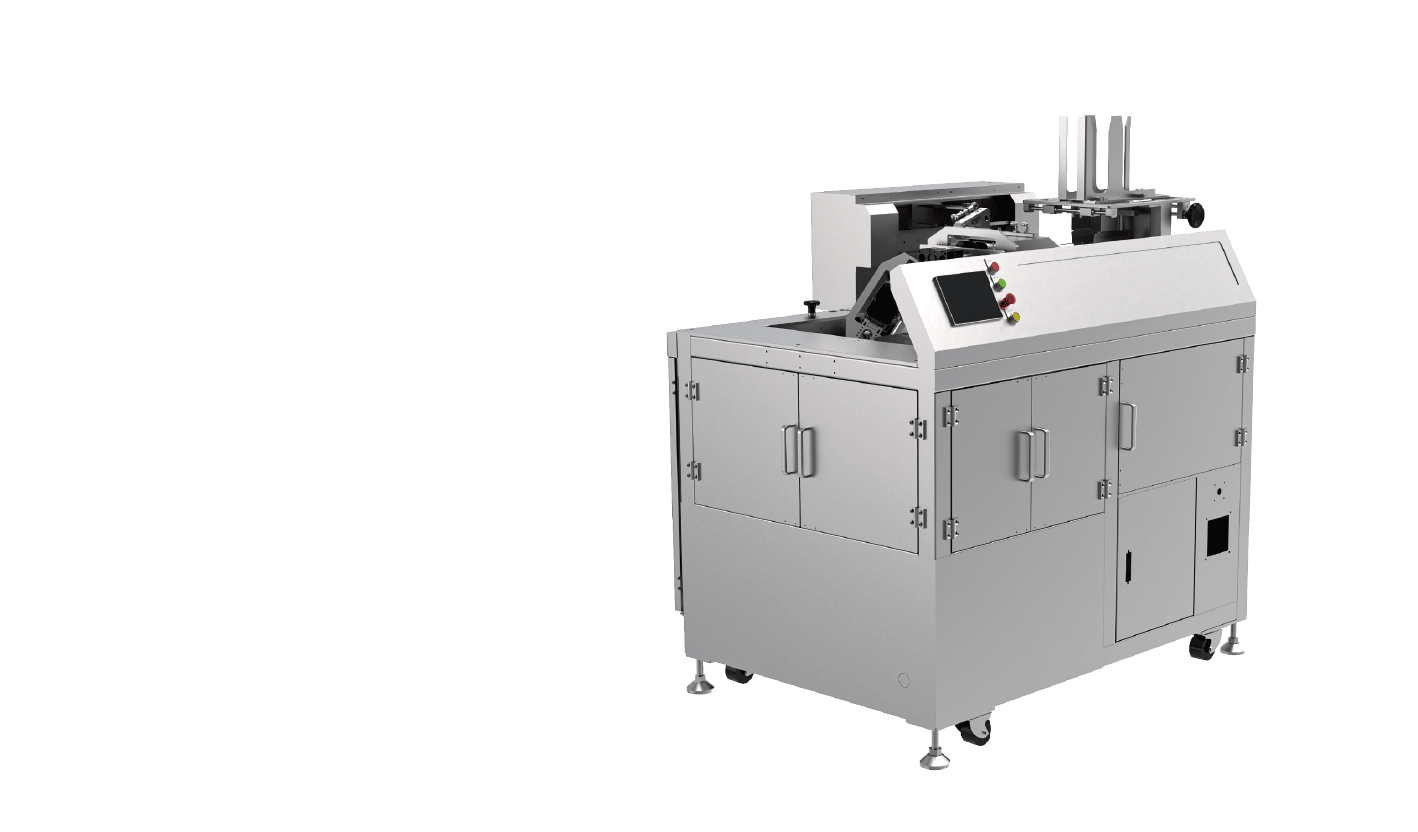
What Is a Cartoning Machine?
A cartoning machine erects a folded paperboard blank, loads product into it, and closes the flaps — either by tucking them in or applying hot-melt glue. It sits between your upstream packaging equipment (flow wrapper, bottle filler, blister machine) and your case packer.
There are two primary orientations: horizontal cartoners load products sideways into a horizontally opened carton (typical for bars, tubes, bottles, blister packs), and vertical cartoners drop products down into a vertically erected carton (typical for pouches, sachets, bottles).
Types of Cartoning Machines
| Type | Speed | Best For | SunAura Packaging Machines Series |
|---|---|---|---|
| Semi-automatic horizontal | 20–40 cartons/min | Small batches, contract packing, variable SKUs | ZH-100 / ZH-120 |
| Automatic horizontal (intermittent) | 40–80 cartons/min | Mid-volume food, cosmetics, pharma | ZH-200 / ZH-350 |
| Automatic horizontal (continuous motion) | 80–150 cartons/min | High-volume CPG, confectionery | ZH-400 / ZH-600 |
| Vertical cartoner | 30–60 cartons/min | Pouches, sachets, bottles, jars | Custom configurations |
SunAura Packaging Machines tip: Intermittent-motion carteners stop the carton while product is inserted — simpler, lower cost, but slower. Continuous-motion carteners keep the carton moving during insertion — faster, but more complex and more expensive. Buy the slowest machine that reliably meets your throughput target.
How to Choose — Decision Checklist
Five inputs determine the right cartoner for your line.
1. Product & Carton Spec
Measure product L×W×H and carton blank dimensions. Odd-shaped products need special insertion tooling. Heavy products need heavier servo drives. Glass bottles need gentle handling and possibly cradles.
2. Throughput Target
Define cartons per minute at steady state, not peak. A 60 cpm machine averages 45–50 cpm in production due to changeover, rejects and refill. Build in 20% headroom.
3. Closure Method
Tuck-in flaps are faster, simpler and easier to open. Hot-melt glue gives a premium, tamper-evident finish but adds glue system maintenance. Some cartoners handle both.
4. Changeover Frequency
Daily SKU changes justify servo-driven, recipe-controlled changeover. Single-SKU lines can use simpler mechanical machines. Tool-free changeover saves hours weekly on multi-SKU lines.
5. Integration Requirements
Will the cartoner connect upstream to a flow wrapper or filler? Downstream to a case packer or bundler? Conveyor height, signal handshake and reject integration all need engineering.
6. Industry Compliance
Pharma needs GMP compliance and serialization. Food needs washdown-rated stainless. Cosmetics needs visual finish. Specify your industry — it drives materials and certification.
Cartoning Machine vs Alternatives
| Automatic Cartoner | Semi-Automatic + Manual Loading | No Cartoning (Loose Packs) | |
|---|---|---|---|
| Labor per shift | 0–0.5 operators | 1–2 operators loading | 2–3 operators packing |
| Speed | 40–150 cpm | 20–40 cpm | Variable |
| Carton consistency | Excellent | Good (human variation) | N/A |
| Upfront cost | $30,000–$100,000+ | $10,000–$20,000 | $0 |
| Best for volume | 24/7, high volume | Low-medium, variable | Pilot, short runs |
Manual cartoning looks cheap until you calculate labor cost: two operators at $15/hour across two shifts costs $120,000/year — enough to pay for a mid-range automatic cartoner in 12–18 months.
Cost & Quote Factors
What drives the price of a cartoning machine:
- Speed rating — intermittent vs continuous motion, cpm range
- Automation level — semi-auto, auto with manual load, fully automatic pick-and-place
- Closure type — tuck-in, hot-melt, or both
- Insertion complexity — simple drop-in vs robotic pick-and-place for multi-component packs
- Carton size range — wider range means more adjustable mechanisms
- Options — inkjet coder, leaflet inserter, vision inspection, reject conveyor
- Certification — CE/ISO, GMP for pharma, washdown rating for food
| Spec | Typical Range | SunAura Packaging Machines Note |
|---|---|---|
| Speed | 20–150 cartons/min | ZH-350 handles 40–80 cpm with continuous motion |
| Carton size range | 50–350 mm length | Adjustable for SKU variety |
| Power | 220V / 380V, 50/60Hz | Configured to your supply |
| Changeover time | 5–20 minutes | Servo models: recipe-driven, tool-free |
| Closure | Tuck-in or hot-melt | Both available; hot-melt premium finish |
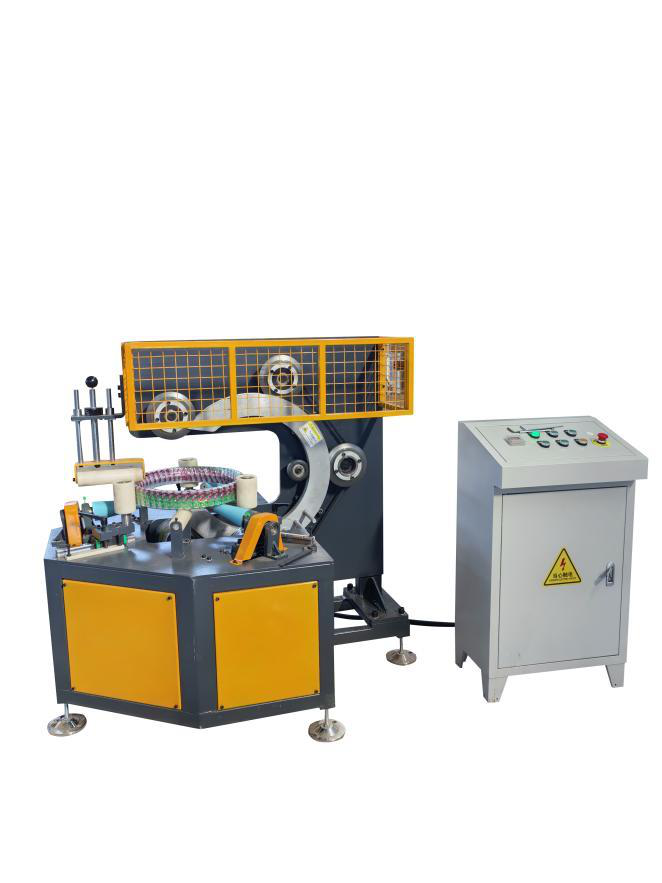
SunAura Packaging Machines Cartoning Machines
SunAura Packaging Machines’ ZH series horizontal cartoners are built and tested in our 48,000 m² Qingdao factory — designed for reliability, fast changeover and low film/board waste.
What every SunAura Packaging Machines cartoner includes:
- Servo-driven carton erector and insertion mechanism
- Tool-free carton size changeover with recipe storage
- Hot-melt or tuck-in closure (specify when ordering)
- SS304 contact parts for food-grade washdown
- HMI with production counter, fault diagnostics and OEE data
- 72-hour pre-shipment test with your cartons and product
- Bilingual manual + step-by-step video guides
Standard lead time: 15–25 working days. Warranty: 12 months from commissioning.
Explore the range: Cartoning Machine Catalog
Industry Case Study
A Polish frozen-food producer commissioned SunAura Packaging Machines to integrate a ZH-350 horizontal cartoner with robotic case packing and end-of-line palletizing. The challenge: frozen dough products that can’t tolerate warm insertion, 12 SKUs requiring sub-15-minute changeovers, and a 6-week installation window between production runs. SunAura Packaging Machines delivered a fully tested line, commissioned in 9 days, running at 45 cartons/min across the full SKU range.
Frequently Asked Questions
What is a cartoning machine and what does it do?
A cartoning machine erects a folded paperboard blank, loads product into it, and closes the flaps — either by tucking them in or applying hot-melt glue. Horizontal cartoners load products sideways into horizontally opened cartons (typical for bars, tubes, bottles, blister packs). Vertical cartoners drop products down into vertically erected cartons (typical for pouches, sachets, bottles).
How do I choose the right cartoning machine for my product?
Start with five inputs: (1) product dimensions and shape — odd shapes need special insertion tooling; (2) target cartons per minute — intermittent machines top out around 80 cpm, continuous motion reaches 150; (3) closure preference — tuck-in (simple) vs hot-melt (premium, tamper-evident); (4) how often you change over between SKUs — daily changes justify servo recipe control; (5) industry compliance — pharma needs GMP, food needs washdown-rated stainless.
Intermittent vs continuous motion cartoner — which is better?
Intermittent-motion carteners stop the carton while product is inserted — simpler, lower cost, and ideal for 20–80 cpm. Continuous-motion carteners keep the carton moving during insertion — faster (80–150 cpm) but more complex and more expensive. Buy the slowest machine that reliably meets your throughput target; you’ll save on both purchase price and maintenance.
How much does a cartoning machine cost?
Semi-automatic entry-level machines start at $10,000–$20,000. Automatic horizontal cartoners range from $30,000 to $70,000 depending on speed (40–80 cpm) and features. High-speed continuous-motion and robotic integrated systems exceed $100,000. As a direct Qingdao factory, SunAura Packaging Machines typically prices 30–40% below Tier 1 European OEMs for equivalent specification.
Can a cartoner handle multiple SKUs?
Yes — SunAura Packaging Machines’ servo-driven cartoners handle a wide range of carton sizes with recipe-driven, tool-free changeover. Store up to 100 product recipes on the HMI, and change over between SKUs in 5–15 minutes. Specify your full SKU range when requesting a quote so we engineer the adjustable mechanisms to cover your largest and smallest cartons.
Conclusion & CTA
Choosing a cartoning machine comes down to product shape, throughput, closure method and changeover frequency — not just sticker price. SunAura Packaging Machines offers CE-certified cartoners at factory-direct pricing with a 72-hour pre-shipment test on your actual product and cartons.
Request a quote with your product dimensions, carton specs and target speed — our sales-engineer team replies within 24 working hours via the product inquiry page.
Related & Internal Links

James oversees the engineering architecture for full end-of-line projects: defining machine sequence, conveyor layout, line balance, footprint and expansion capacity before individual machines are ordered. He reviews customer specifications, production rates and facility constraints, and signs off on the engineering drawings and acceptance tests. His articles take the system-level view a procurement manager needs.
See Full Bio ›