
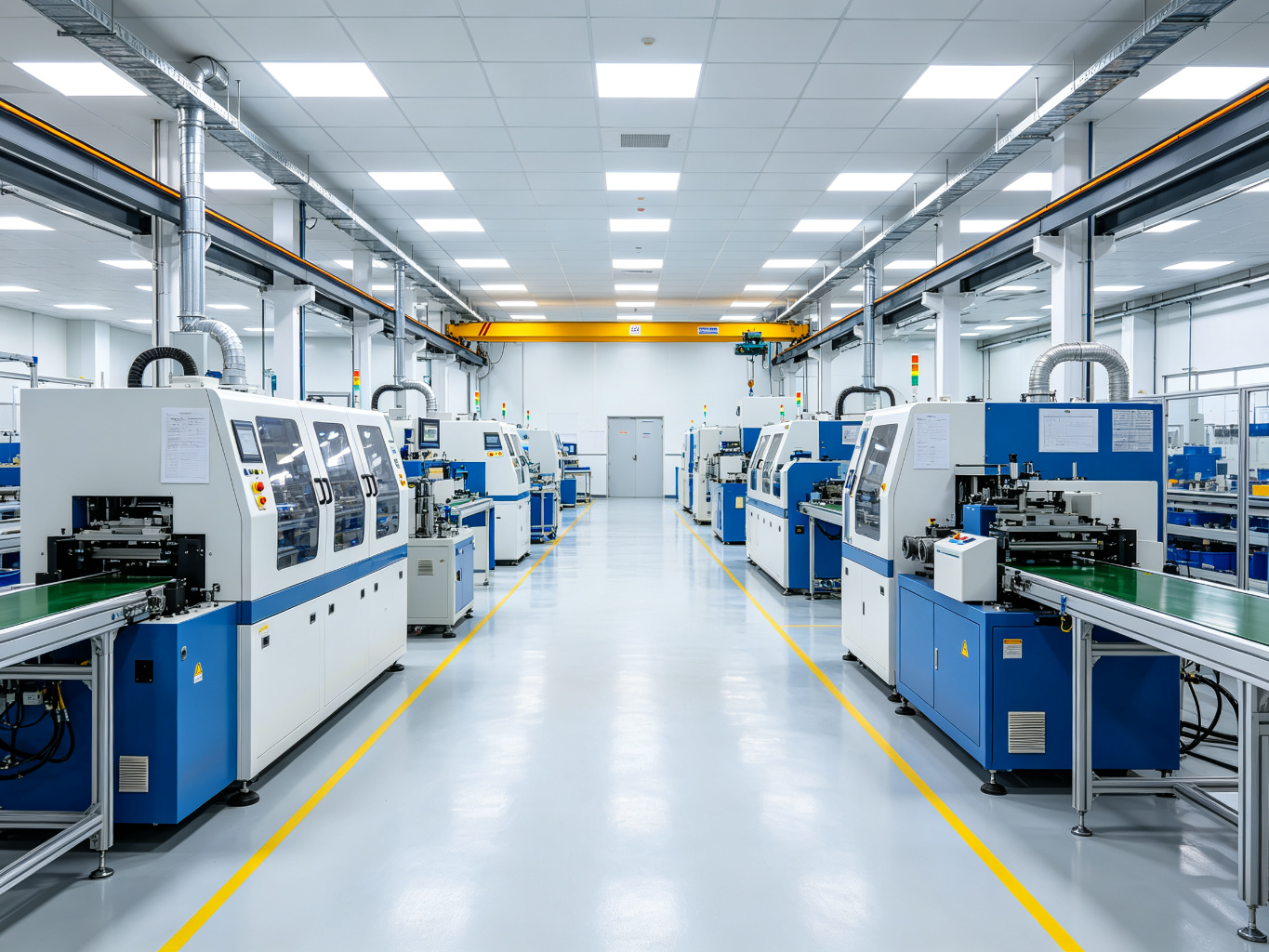
SunAura Packaging Machines is expanding its regional spare-parts, commissioning and after-sales support for packaging lines across Latin America, responding to a growing installed base in Brazil, Mexico and neighbouring markets and to a cluster of recent custom end-of-line projects. The effort combines closer pre-shipment preparation, regionally held and fast-moving spare parts, structured remote support and scheduled commissioning visits, with the aim of shortening the time between an equipment issue and a return to production for customers who are thousands of kilometres from the Qingdao factory.
The decision follows a run of business from the region. Over recent months SunAura Packaging Machines has supplied and commissioned a mix of equipment for Latin American customers, including sleeve and shrink wrapping systems, case erection and sealing, pallet wrapping and combined wrapping-and-strapping machines, and several modified or fully custom lines built around non-standard packs. That work, together with ongoing inquiries from Brazilian and Mexican packers, made the case for a more structured support model rather than handling every after-sales request directly from China. The company’s recent deliveries across Brazil, Mexico, Egypt, Morocco and the UAE set out the type of custom projects now going into these markets.
Why regional support matters for packaging lines
For an export customer, the machine is only as good as the support behind it. A case sealer, wrapper or strapping machine that stops is not an isolated inconvenience; it sits at the end of a production line, and every hour it is down stops finished goods reaching the dock. In a home market a technician can be on site within hours and parts can arrive the same day. On a different continent, with language, time zones, customs and long freight times, the same fault can cost days of production if support is improvised after it happens.
The customers most exposed to this are the ones buying their first automatic line or moving from standalone machines to an integrated end-of-line. They may not hold the right consumables or spare parts, and their maintenance teams are learning machines they did not grow up with. A support model that assumes the customer already knows the equipment leaves exactly these buyers stranded. The expanded service is designed around them: make the routine spares and consumables easy to obtain, make commissioning and training thorough enough to prevent the avoidable faults, and make remote help fast enough to resolve the rest without waiting on an international flight.
The equipment going into the region
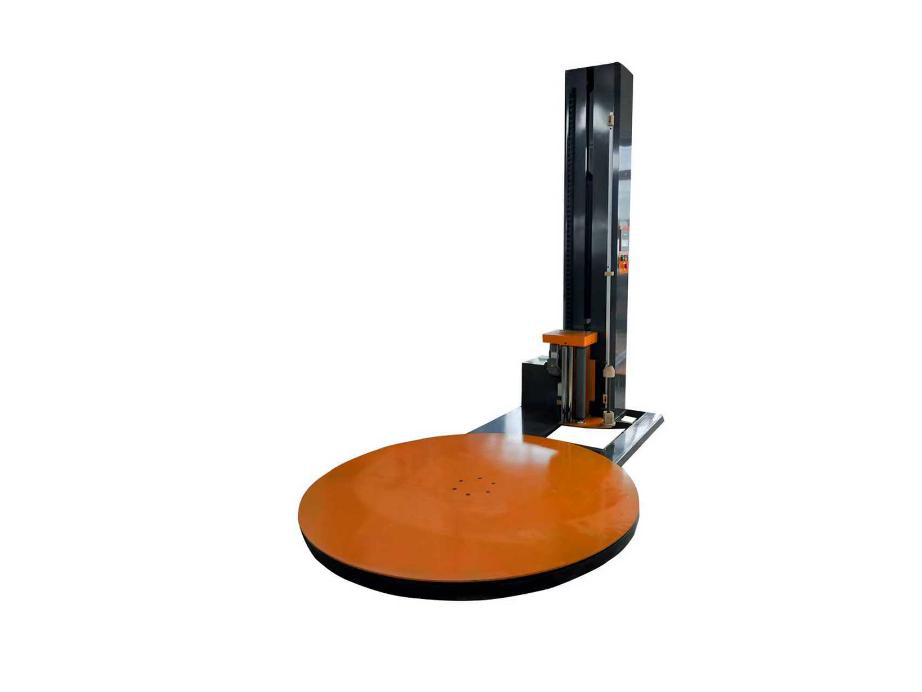
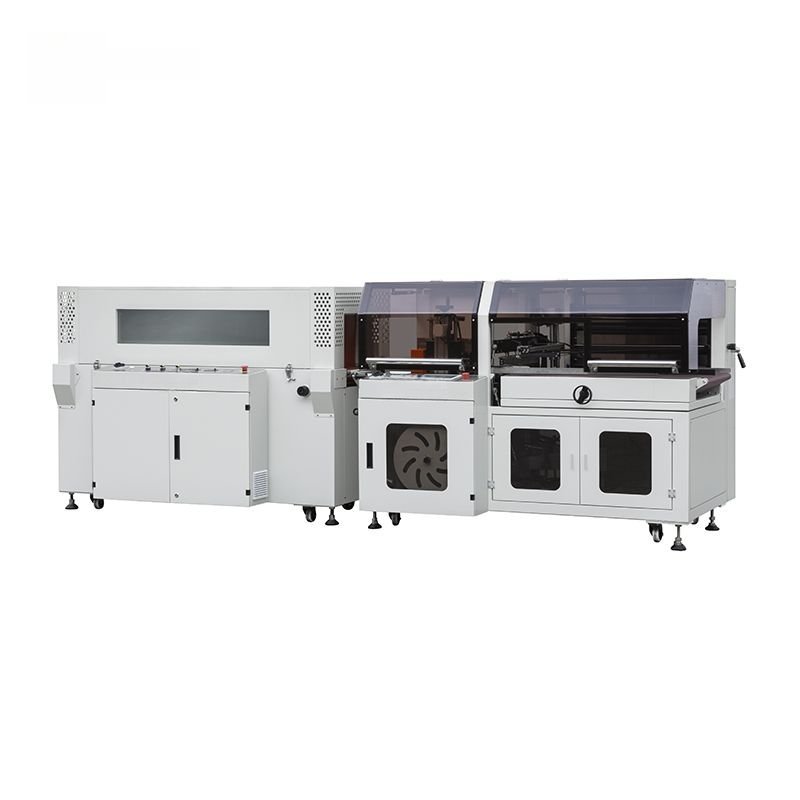
The installed base spans the machines that handle the final stages of packing, and the support package is built around the parts that actually wear on them. Pallet wrapping has been a recurring requirement, both for manufacturers stabilising their own finished goods and for distribution and co-packing operations; the standard turntable pallet wrapper covers the bulk of stable, medium-volume loads, with powered pre-stretch that keeps film cost per pallet down. Shrink and sleeve wrapping, widely used for bundling and multipacks across beverages, household goods and building products, is represented by side-seal machines of the BTH-550 side-seal shrink wrapper class, built to handle sustained bundling at line speed.
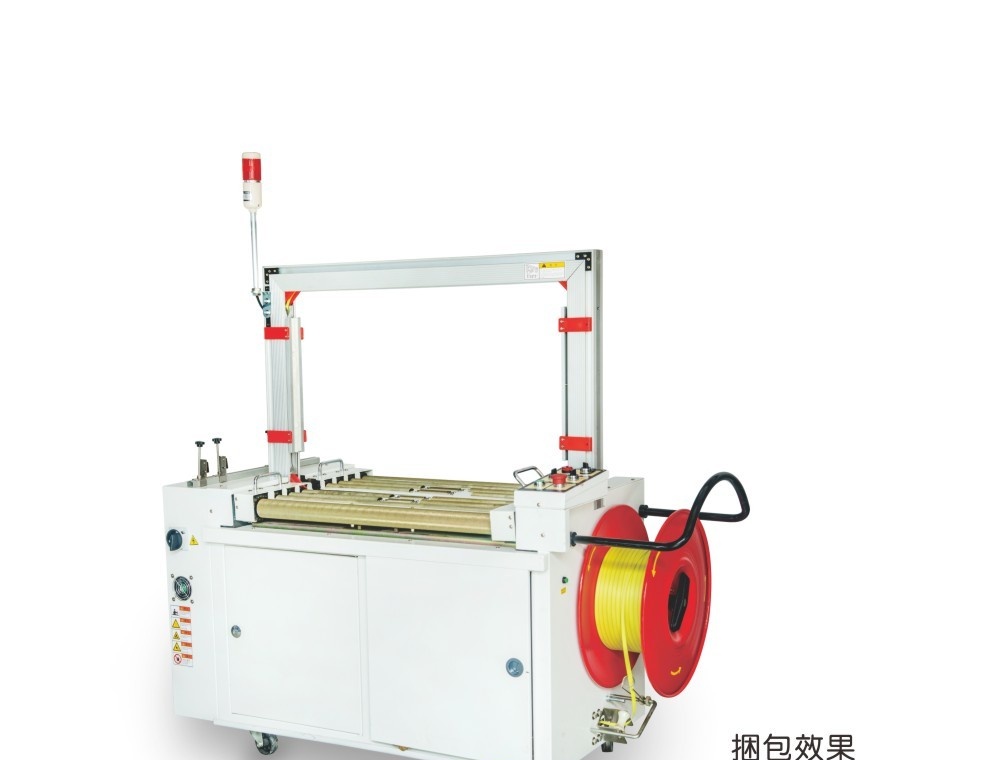
Strapping is equally common, particularly where heavy cases, bricks, blocks and industrial goods need secure bands rather than stretch film. Unmanned, inline strapping of the automatic unmanned strapping machine type feeds directly from conveyors and runs within a line rather than as a bench operation. A number of customers have also taken combined machines that wrap and strap a pallet in one station, of the AO77B/FG2000B wrapping-and-strapping machine class, which suits loads that need both the all-round containment of stretch film and the positive, high-strength retention of vertical and horizontal bands. These combined cells are particularly relevant where product is heavy, slick or prone to shifting in long road and sea transport, which describes a good deal of Latin American distribution.
What the support package includes
The expanded model works across the full lifecycle rather than starting when something breaks.
Before and during commissioning
Every integrated line now goes through a more detailed factory-acceptance programme run on the customer’s real cartons, cases, film and band where possible, with the full format range tested rather than a single ideal product. This catches the issues that appear at transitions between formats before the equipment ships. Commissioning visits are scheduled in regional blocks so that engineers can cover multiple sites efficiently rather than making separate long-haul trips, and installation includes hands-on training for operators and maintenance staff alongside the documentation. A line that is commissioned and trained properly generates far fewer of the after-sales calls that would otherwise follow, which is why this stage is treated as part of the support product rather than a formality.
Parts and consumables
The parts that genuinely wear or are consumed, sealing knives and wear pads, tape and film handling components, strapping chute and heater parts, suction cups, sensors and common drive components, are identified per machine and made straightforward to obtain, including through regional channels and fast freight rather than only from the factory. Customers are given a recommended spares list at handover so they can hold the few items that would otherwise stop the line, rather than discovering what they needed after a fault. The list is deliberately short and focused on real failure points; holding a wall of parts that never fail helps nobody, but the handful that do should never be a customs wait away.
Remote support and documentation
Much of what stops a packaging machine is a setting, a worn consumable, a mis-fed material or a fault code that can be diagnosed remotely. Structured remote support, with connected machines able to share diagnostics and the engineering team available across overlapping working hours, resolves these without travel. Customers also have access to the help and after-sales centre for documentation, fault guidance and requests, which routes issues to the right person rather than into a generic inbox. The underlying service intervals are documented so that routine maintenance is planned rather than reactive; the preventive maintenance schedule for high-speed packaging equipment gives the framework, adjusted to the heavier duty and longer shifts many Latin American plants run.
Custom work and the inquiry pipeline
A significant share of recent Latin American inquiries has been for non-standard machines: packs that do not match a catalogue model, unusual load dimensions, integration into an existing line, or combinations of processes in a limited footprint. These are handled through SunAura Packaging Machines’ custom engineering rather than forced onto a standard machine, with the specification developed from the customer’s product, throughput and layout. The custom packaging machine service sets out how that process works, from parameters and requirements through design, acceptance and installation. Regional support matters even more for custom equipment, because by definition it has no off-the-shelf equivalent, which is why the spares and documentation for these cells are prepared as part of the project rather than as an afterthought.
Installation realities across long distances
Moving a complete line to another continent is itself part of the project, and underestimating it is a common source of delay. Machines are built to break down into container-friendly assemblies, with electrical connections and guarding arranged to reassemble quickly, and every shipment is accompanied by layout drawings, connection schedules and photographic assembly guidance so the receiving team knows what goes where. The factory-acceptance stage doubles as preparation for this: equipment is marked and documented in the way it will be reassembled, which removes ambiguity on a site where the design engineer is not standing alongside.
Customs and import handling vary considerably by market, and the regional programme works with customers and local partners so that documentation, tariff classification and clearance are prepared in advance rather than addressed when the container is already at the port. For projects that include commissioning, the engineer’s visit is scheduled against the realistic clearance and installation timeline, not the sailing date, so nobody is waiting on site for equipment that has not cleared. These are unglamorous details, but a line that is installed and commissioned on schedule because the logistics were planned is worth materially more to a customer than one that sits in parts while paperwork is resolved.
The faults support prevents most often
A short list of the issues that generate the most calls is useful, because the majority are avoidable through the right consumables, settings or a single held spare part. On case sealers, worn tape blades and the wrong tape grade account for a large share of poor seals, and both are simple once the correct item is to hand. On pallet wrappers, film breaking at corners and loose bottom wraps trace back to tension, pre-stretch and the number of base revolutions rather than to a failed machine, and they are routinely corrected over a remote call. On strapping equipment, feed and heat-seal issues usually come down to worn chute or heater components and the band being correctly specified for the load.
Case erectors in slightly damp conditions slip on suction cups when the board has absorbed moisture or the cups are past their best, which is why cups are on the recommended spares list and board storage is discussed during commissioning. Very few of the calls that reach the team actually require a failed major component; most are consumables, adjustments and materials, which is precisely why regional access to the short list of wear parts and reliable remote diagnosis delivers most of the value. Building the support package around these recurring issues keeps machines running without turning every minor fault into an international parts order.
Support as part of the buying decision
For buyers comparing packaging machinery suppliers, after-sales capability deserves the same scrutiny as price and rated speed. A cheaper machine with no realistic regional support can become the more expensive purchase at the first significant fault, once lost production and waiting time are counted. SunAura Packaging Machines’ advice to customers is to ask concrete questions before ordering: which parts are recommended to hold, how faults are diagnosed remotely, how commissioning and training are handled, how long parts really take to reach the site, and who responds when the line is down. Suppliers that can answer those questions specifically are engineering for the whole relationship; those that cannot are selling a machine and leaving the risk with the buyer.
Customers and distributors across Latin America can review the full equipment range in the packaging machinery catalogue and use the help and after-sales centre for service requests, documentation and spare-parts inquiries. The company continues to develop regional commissioning and parts arrangements market by market as the installed base grows, with Brazil and Mexico the current focus and neighbouring markets covered through the same channels. Distributors and service agents who already support packaging equipment locally are also invited to discuss partnership, since capable on-the-ground partners are the fastest way to shorten response times for everyone.
About SunAura Packaging Machines
SunAura Packaging Machines, headquartered in Qingdao, Shandong, manufactures end-of-line packaging equipment for food, beverage, pharmaceutical, cosmetic and industrial customers worldwide. Its range includes case erectors and sealers, cartoners and case packers, shrink and flow wrapping machines, automatic and semi-automatic strapping equipment, turntable and rotary-arm pallet wrappers, palletising robots and integrated custom turn-key lines. The company supports export customers from specification and factory acceptance through installation, training, parts and after-sales service. Latin American customers, distributors and agents interested in the regional support programme are invited to contact the company through the help centre or the sales team to discuss installed equipment, spare parts or new projects.
By the SunAura Packaging Machines after-sales and communications team. For regional support, spare parts or commissioning enquiries in Brazil, Mexico and the wider region, contact the customer service and applications teams in Qingdao.

Kevin works on machine development for shrink bundling, shrink hoods and vacuum packaging. He tests film shrink ratios, tunnel heat zones, seal bar performance and chamber cycle times, and feeds that back into machine frame and conveyor design. He writes technical articles on shrink film selection, tunnel temperature balancing and vacuum packaging for industrial and food-adjacent secondary packs.
See Full Bio ›