
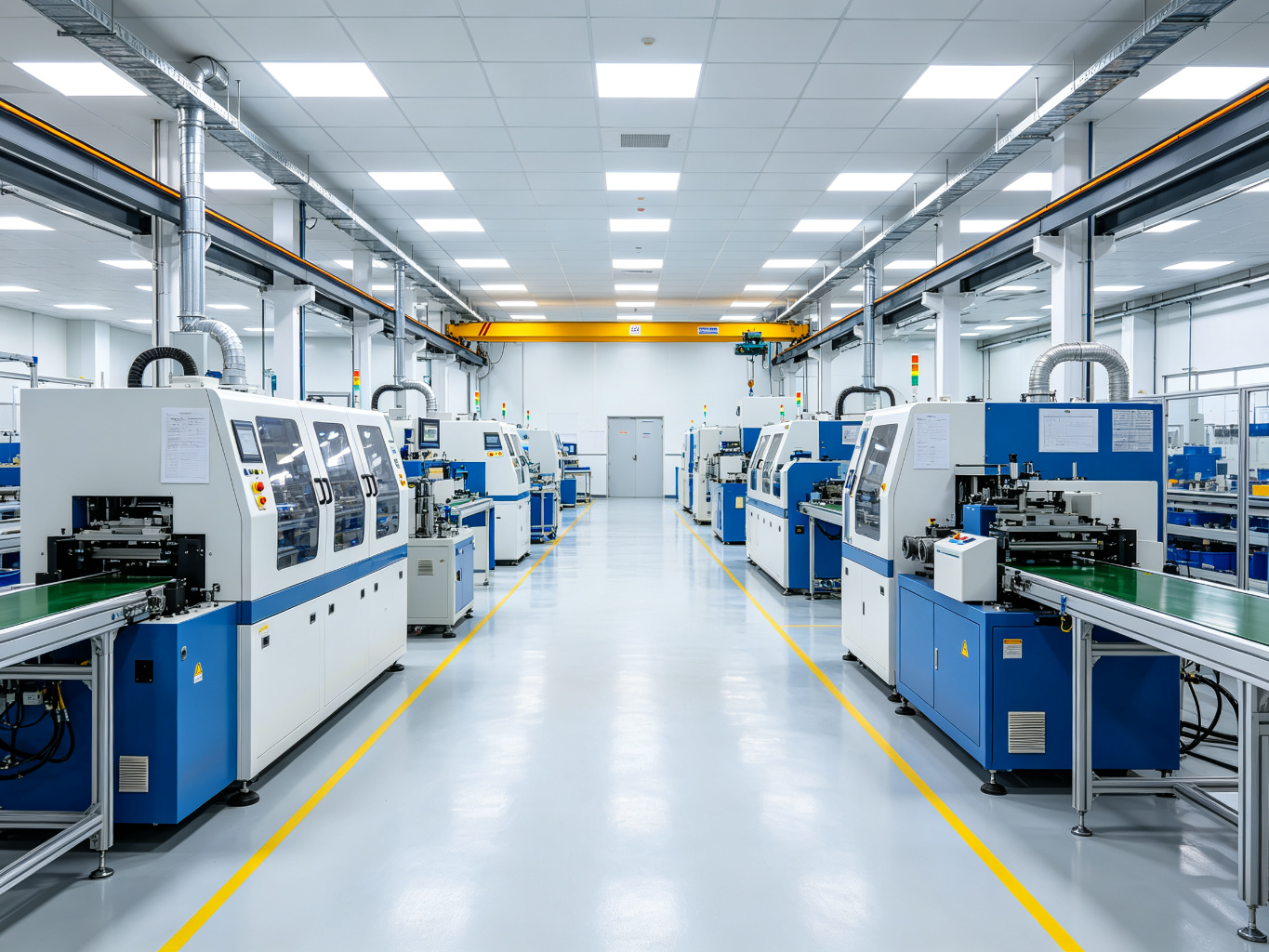
SunAura Packaging Machines has completed and shipped a series of high-speed, multi-servo horizontal flow wrappers to bakery and snack producers across Southeast Asia, following factory acceptance tests carried out at its Qingdao manufacturing campus. The orders, placed by food manufacturers expanding their bar, cake and biscuit lines, pair large-format reciprocating wrappers with wide-film machines capable of handling both single packs and multi-piece bundles. The shipments underscore the company’s growing role as a supplier of complete primary-packaging equipment to the region’s fast-moving food sector.
This news item outlines what was delivered, the engineering requirements behind the orders, and what the projects indicate about automation demand among regional snack producers.
The equipment delivered
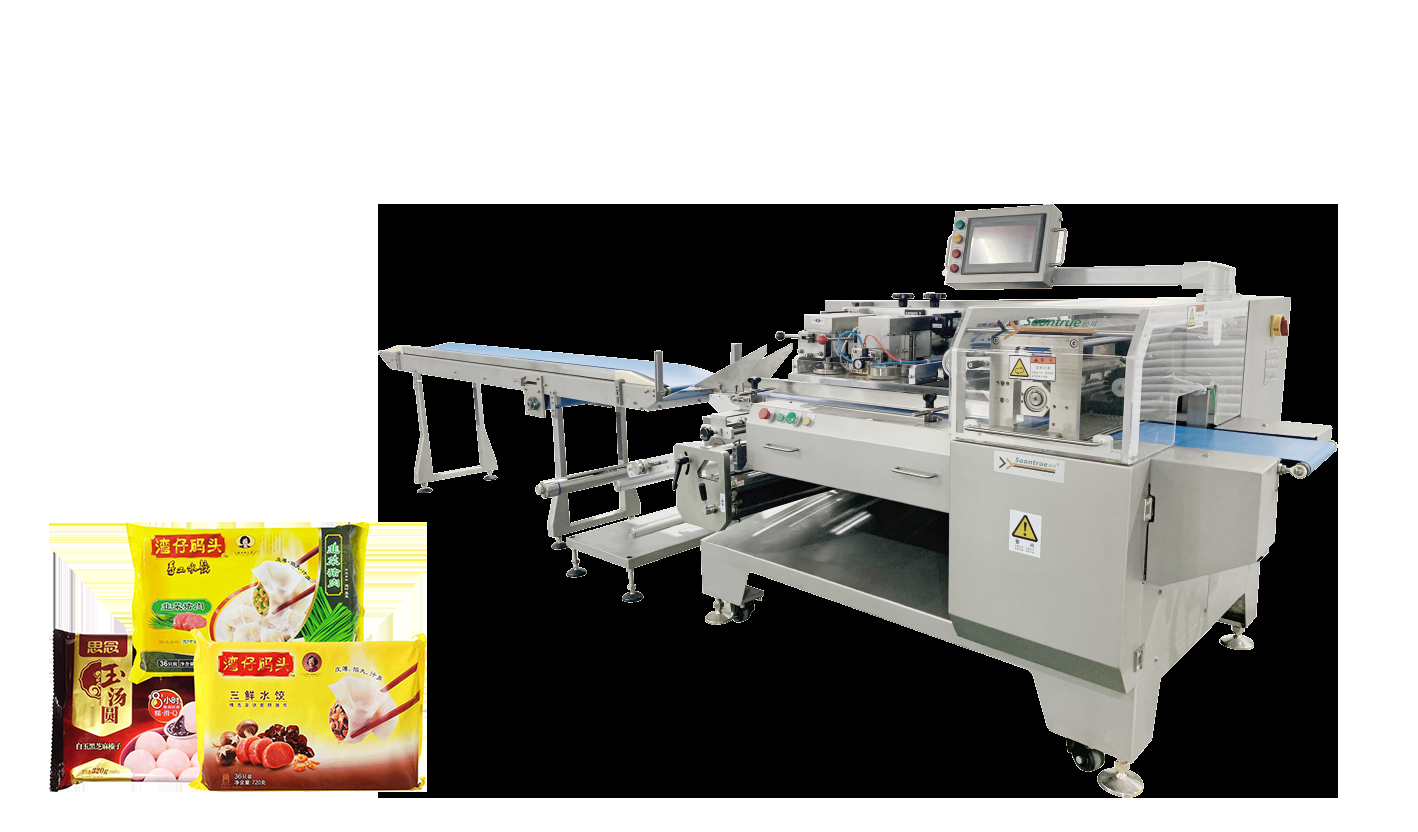
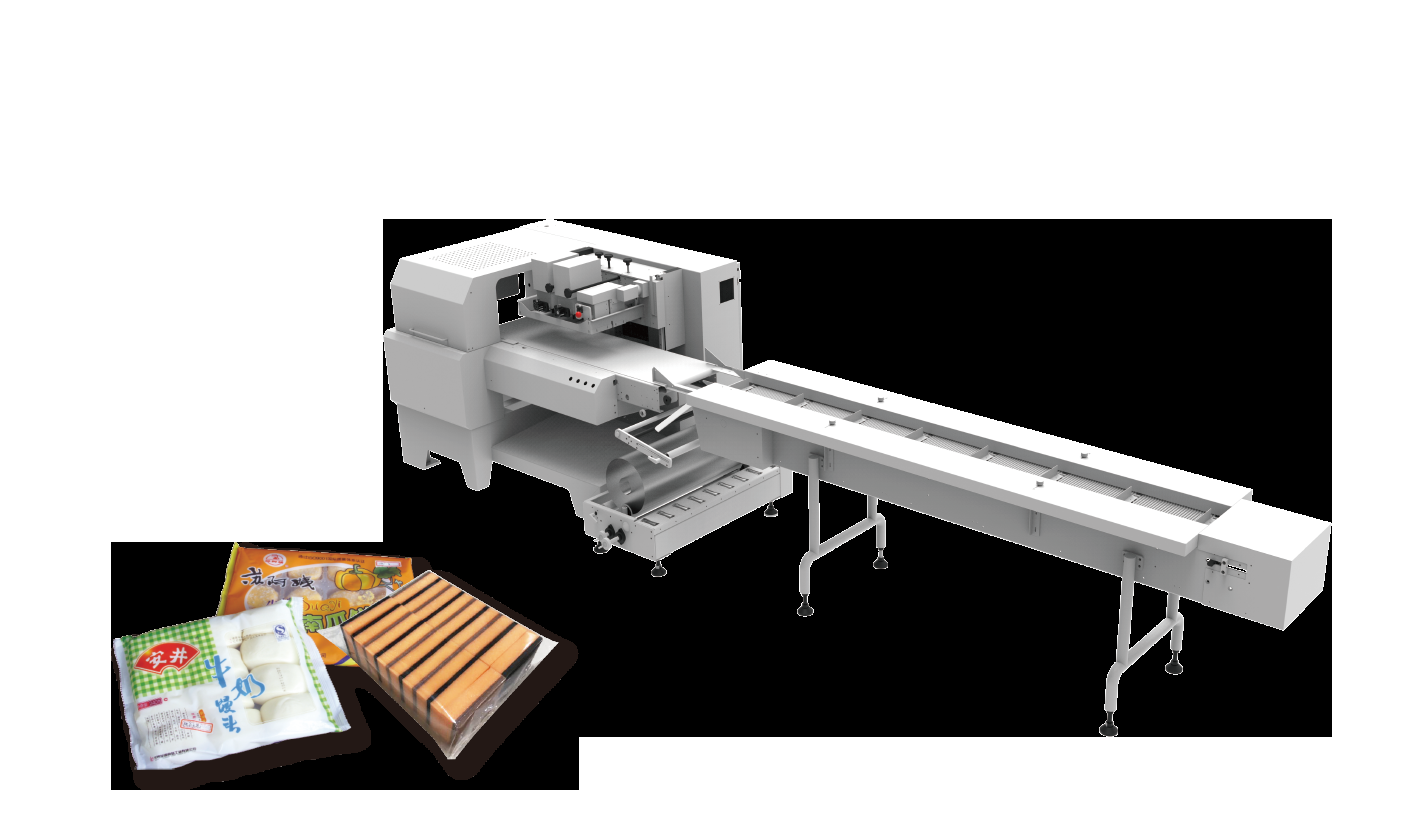
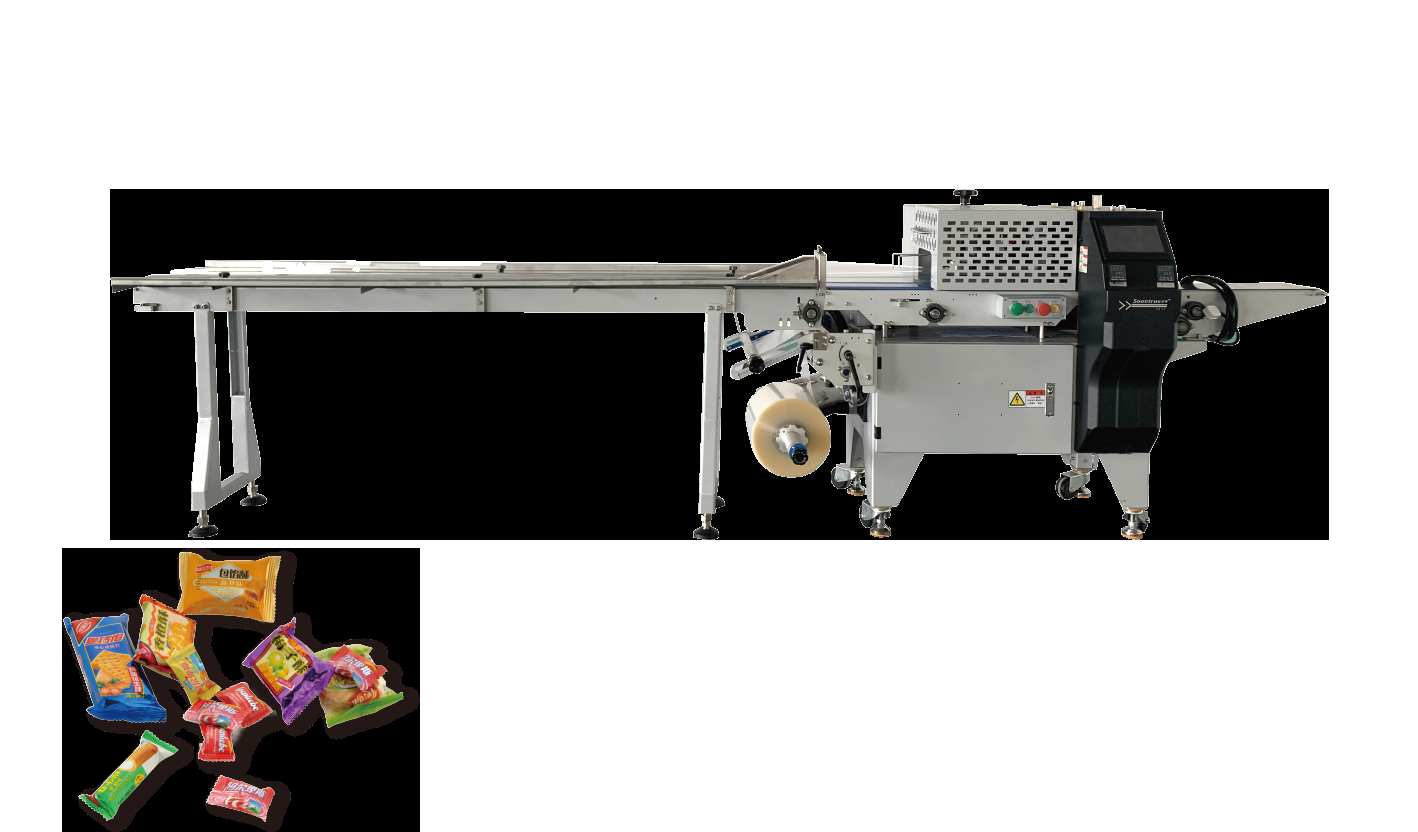
The package centred on several high-performance flow wrapper platforms. Large reciprocating machines built around nine servo axes were specified for bakery products that require a long sealing dwell and gentle product transfer, while seven-servo large-bag wrappers were chosen for wider films and multi-piece snack packs. A wide-bed machine was included for oversized or grouped products. Each line was configured with automatic film feeding, touchscreen recipe control and photoelectric product registration, and was integrated to accept product from the customers’ existing feeding and cooling conveyors.
The selection reflects a deliberate engineering principle: rather than supply a single universal wrapper, SunAura Packaging Machines matched each machine’s sealing motion and film capacity to the specific product — reciprocating action for delicate, tall or bakery items, and high-speed rotary jaws for uniform bars.
Why reciprocating technology for bakery
Bakery and snack products present two challenges that shape machine choice. Many are soft, aerated or easily marked, which rules out aggressive handling, and some carry toppings or vary in height, which makes a fixed jaw gap unsuitable. A reciprocating (box-motion) sealing head travels with the product while the cross-seal is made, providing a longer dwell at a lower mechanical impact and accommodating greater product height. Multi-servo control means the film, jaws, feed and cut-off are each driven independently, so changeovers between products are made through stored recipes rather than mechanical adjustment. For customers running several cake and bar formats, this combination of gentle motion and rapid changeover was the deciding specification.
Factory acceptance testing before shipment
Before export, each line underwent a factory acceptance test in which the customer’s products — or agreed equivalents — were run at the contracted rate to verify seal quality, cut-off accuracy, film waste and changeover time. This stage matters for overseas buyers because it surfaces issues at the builder’s facility, where they are quick to resolve, rather than after installation thousands of kilometres away. Tests confirmed seal integrity across the product range, correct registration on printed film, and stable running at the rated speed with margin for the customers’ projected growth.
SunAura Packaging Machines application engineers document each acceptance test with settings and sample packs, giving the customer a baseline that commissioning engineers can reproduce on site and reducing the time needed to bring the line into production.
The regional automation trend behind the order
The orders are consistent with a broader shift among Southeast Asian food producers. As labour costs rise and retail and export customers demand consistent pack quality and hygiene, manufacturers are replacing hand-fed and older single-drive machines with servo-driven lines that run more products with fewer operators. Buyers increasingly ask for machines that can grow with them — wider film capability, spare speed capacity and easy addition of automatic feeders — rather than equipment matched to a single product. The ability to switch between single packs and promotional multi-packs from a recipe is particularly valued in a market where pack formats change frequently.
Integration with upstream and downstream equipment
A flow wrapper performs best as part of a coordinated line. In these projects the wrappers were arranged to take product from cooling and alignment conveyors and to discharge packs toward downstream collation and case packing, with attention to balancing speeds so the wrapper was neither starved nor blocked. Several customers plan subsequent phases that add automatic feeding and robotic case packing, and the machines were specified with the controls and capacity to accept those modules. SunAura Packaging Machines’s scope across primary wrapping, feeding and end-of-line equipment allows these phases to be added without changing suppliers or reworking controls.
Support after installation
Because the customers operate overseas, after-sales planning was part of the delivery: spare-part kits, illustrated settings documentation and remote video support for commissioning were provided, with operator training covering changeover, film setup and routine maintenance. Wrappers are mechanically mature, and most day-to-day issues — film tracking, seal temperature, cut-off adjustment — can be resolved quickly once local operators understand the relationship between film, jaw timing and product feed. This support structure is a core part of why export customers return for additional lines.
What the shipments signal
Taken together, the deliveries show two things. First, that multi-servo reciprocating wrapping has become the practical standard for regional bakery producers who need both gentle handling and fast format changes. Second, that buyers are selecting suppliers on the ability to provide a connected path from individual wrapping through to automated case packing, rather than on a single machine price. SunAura Packaging Machines reports continued enquiry activity from the region and is scheduling further production slots for similar bakery and snack projects.
Total cost compared with older single-drive machines
Customers weighing these wrappers against existing or refurbished single-drive machines often focus on the purchase price and miss the running differences. Older machines rely on mechanical timing and manual adjustment, so every product change costs production time and demands an experienced setter; film waste is higher without independent servo registration, and worn shafts introduce the timing errors that cause poor seals. A multi-servo wrapper carries a higher initial price but reduces changeover minutes, film scrap and reliance on a single skilled operator, while adding the capacity to run formats the old machine cannot. Over a season of frequent format changes those differences accumulate, and the decision increasingly turns on cost per good pack — including waste and downtime — rather than cost per machine.
Planned next phases
Several of the customers have already defined follow-on phases that build on the wrappers now installed. Upstream, automatic alignment and feeding systems will replace the hand-loading that remains the main labour task; downstream, robotic case packing and palletizing will take wrapped product through to a finished pallet without manual handling. Because the delivered machines share a common control approach and were specified with spare capacity, these modules can be added without replacing the wrapper or reworking its settings. SunAura Packaging Machines is able to deliver these phases as a staged programme, allowing each customer to invest in line with confirmed volume rather than committing to a complete line before the market requires it.
About the equipment range
The flow wrapper platforms delivered sit within a broader portfolio that includes horizontal flow packaging, automatic feeding and material handling, and end-of-line case packing and palletizing. Customers planning bakery, biscuit, confectionery or snack projects can have machines sized against their product dimensions, film type and target rate, with factory acceptance testing before export. The same application-engineering approach used for these shipments — matching sealing technology to the product and planning for future formats — is applied to every line.
Frequently asked questions
What is the difference between rotary and reciprocating flow wrappers?
Rotary jaws seal during a continuous motion and suit uniform, high-speed products; reciprocating box-motion heads travel with the product for a longer, gentler seal and accommodate taller or delicate bakery items.
Can one machine wrap both single and multi-packs?
Yes, multi-servo machines store recipes for different lengths, film widths and pack counts, switching between single and multi-piece formats without mechanical change parts.
How are overseas lines tested before shipment?
Each machine runs the customer’s products at the contracted rate during a factory acceptance test, verifying seals, registration, waste and changeover, with documented settings supplied.
Can automatic feeding and case packing be added later?
The wrappers are specified with controls and capacity to accept upstream feeders and downstream robotic case packing in later phases, protecting the initial investment.
Customer outcomes and early running results
Early reports from the installed lines indicate the changeover and handling benefits customers expected. Operators switching between cake bars and multi-piece packs do so through stored recipes without fitting mechanical parts, and the reciprocating seal has handled the softest, tallest bakery items without the marking seen on older fixed-gap machines. Film waste at start-up is lower because the multi-servo film drive and registration settle quickly, and the consistent seal has reduced the leakage and rework associated with uneven temperature or jaw pressure. While full-line data accumulates over the customers’ first seasons, the acceptance-test baselines are being met in production, which is the practical measure customers use to judge a new wrapper.
A closer look at film and seal settings
Much of a flow wrapper’s performance comes down to the relationship between film, temperature and jaw timing. The delivered machines run common co-extruded cold-seal and heat-seal films used in bakery, with independent temperature control of the longitudinal and cross seals so each can be set to the film’s requirement rather than a single compromise. Because the reciprocating head dwells on the cross-seal, adequate bond strength is achieved at a lower temperature, which protects heat-sensitive products and reduces film distortion. During commissioning the settings used at the factory acceptance test are reproduced, giving local operators a known-good starting point and a clear path to adjust for seasonal changes in film or ambient conditions.
Project timeline and export logistics
These overseas projects follow a consistent sequence: product and layout confirmation, manufacture, factory acceptance testing, export preparation and shipping, then commissioning support on arrival. Building and testing the wrappers before shipment compressed the customers’ on-site installation time, because issues that would otherwise surface during commissioning were resolved at the Qingdao facility. Machines were secured and documented for sea freight, with spare-part kits and settings packs accompanying them. For buyers, the value of this sequence is predictability — a defined schedule, a tested product and the materials needed to bring the line into production without extended reliance on overseas technicians.
Why multi-servo design protects the investment
Replacing mechanical shafts and chains with independent servo motors changes the economics of a wrapper over its life. Each function — film pull, feed belts, jaws, cut-off — is adjusted electronically, so adding a product length or pack pattern does not require new mechanical parts, and wear points and the adjustments that come with them are reduced. The same architecture also makes it straightforward to add automatic feeders upstream and robotic case packing downstream in later phases, because the controls already support synchronised external axes. For customers whose product range and volume are still growing, this configurability is the difference between a wrapper matched to today’s product and one that remains useful as formats evolve — a consideration that featured directly in these purchase decisions.
In summary
These shipments reflect a straightforward pattern: regional bakery and snack producers are choosing servo-driven, reciprocating flow wrappers because they combine the gentle sealing that soft products need with the recipe-based changeover that a varied format range demands, and because the same platform can grow into automatic feeding and robotic case packing in later phases. SunAura Packaging Machines continues to welcome enquiries from food manufacturers and regional distribution partners planning similar projects, and its application team is available to review product samples, films and throughput targets before any specification is finalised.
Explore the range
- Large bakery products: the nine-servo flow wrapper;
- Wide multi-piece packs: the seven-servo large-bag wrapper;
- Oversized grouped products: the large wide-bed flow wrapper.
For bakery and snack projects, SunAura Packaging Machines can configure and test the right flow wrapping line and support its commissioning overseas. Contact the international sales team, or learn more about the company on the about page.

Sarah evaluates packaging consumables against machine capability: film gauge and prestretch, PP versus PET and steel strapping, core width, tension settings and corner board use. Her articles connect film and band choice to machine settings, freight damage rates and total cost per pallet, rather than recommending the cheapest consumable on paper.
See Full Bio ›