
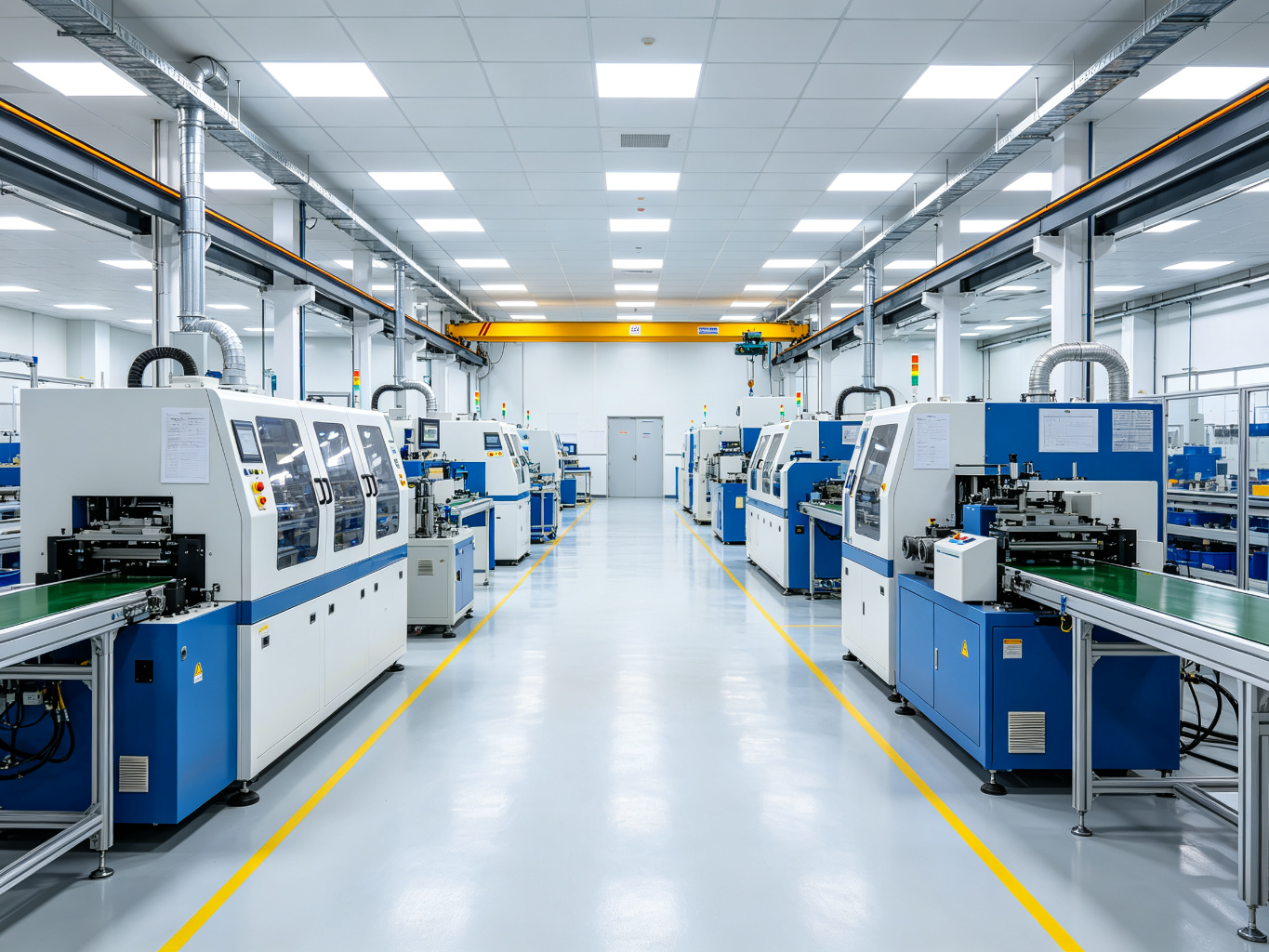
Palletizer Buying Guide & Selection (2026): Robotic, Conventional & Inline Compared
Everything engineers and procurement teams need to specify the right palletizer — throughput range, footprint, cost breakdown, changeover time, and which machine type fits your product mix.
- Throughput 5–120 cases/min
- 3 machine types compared
- Price range $25k–$250k+
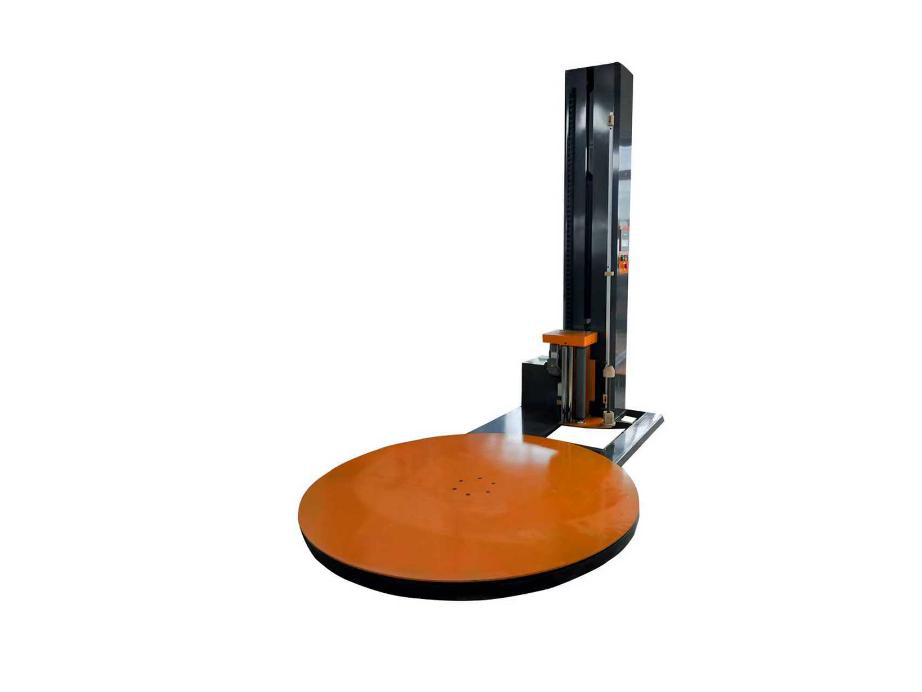
Palletizer in Action
What Is a Palletizer and Why Does It Matter?
A palletizer is the end-of-line machine that automatically picks up cases, bags, trays or bundles and arranges them into a stable pallet load for storage and shipping. For most CPG, food, beverage, pharmaceutical and e-commerce operations, the palletizer is the single biggest labor-saving investment in the packaging line — a single robotic cell can replace 3–6 manual palletizers working 3 shifts.
But choosing the wrong palletizer is expensive. A conventional high-level gantry machine is overkill for a 10-case/min line and will sit half-idle. A collaborative robot that’s too slow for a 60-case/min beverage line becomes the bottleneck. This guide walks through every decision point so you can specify with confidence.
Palletizer Types Compared
Conventional / Gantry Palletizer
High-level or low-level gantry machine with a layer-forming table. Best for high-volume, single-SKU lines. Throughput: 20–120 cases/min. Footprint: 6m × 4m. Price: $80k–$250k+.
Robotic Palletizer (Articulated Arm)
6-axis robot arm with gripper end-of-arm tooling. Best for mixed-SKU, multi-format lines. Throughput: 5–40 cases/min. Footprint: 4m × 4m. Price: $50k–$150k.
Inline / Layer Palletizer
Compact inline layer-former for small to mid-volume lines. Throughput: 10–30 cases/min. Footprint: 3m × 2.5m. Price: $25k–$60k.
Side-by-Side Specification Comparison
| Parameter | Conventional Gantry | Robotic Arm | Inline Layer |
|---|---|---|---|
| Throughput (cases/min) | 20–120 | 5–40 | 10–30 |
| Max case weight | 30–50 kg | 10–80 kg | 20–40 kg |
| Mixed-SKU capability | Poor | Excellent | Fair |
| Footprint (approx.) | 6m × 4m | 4m × 4m | 3m × 2.5m |
| Changeover time | 30–60 min | 2–5 min (recipe) | 15–30 min |
| Typical price range | $80k–$250k+ | $50k–$150k | $25k–$60k |
| Best application | High-volume single-SKU | Mixed-SKU / multi-format | Small to mid-volume |
5-Step Working Principle
Infeed & Singulation
Cases arrive from the case sealer on a conveyor. The inline section spaces them evenly and rotates them to the correct orientation.
Layer Forming
Cases are accumulated on a layer table or pushed into a pattern using pushers. The desired layer pattern (column-row layout) is built up.
Layer Transfer
The completed layer is lifted or pushed onto the pallet. In robotic cells, the arm picks individual cases and places them directly.
Layer Buildup
The pallet lowers one layer height at a time as the stack grows. Slip sheets or tier sheets can be automatically inserted between layers.
Full Pallet Discharge
When the target height and case count are reached, the full pallet is conveyed out for stretch wrapping. An empty pallet automatically moves into position.
7 Parameters You Must Get Right
Case Dimensions & Weight
Max length × width × height. Heavier cases (over 25 kg) need a reinforced arm or gantry. Odd shapes need custom EOAT.
Required Throughput
Cases per minute at 100% OEE, not catalog peak speed. Budget for 85–90% efficiency on multi-SKU lines.
Number of SKUs
Single SKU? Robotic with recipes? Mixed-SKU e-commerce? This is the #1 factor that determines machine type.
Pallet Size
Standard EUR pallet (800×1200mm), GMA (48×40 in), or custom? Non-standard pallets need modified infeed.
Layer Pattern Requirements
Interlocked, column-row, or pinwheel? Pattern complexity affects robot programming and gripper design.
Slip Sheet / Tier Sheet Need
Auto sheet dispenser adds $3k–$8k. Required for unstable products or high stacking.
Footprint & Ceiling Height
Measure the available space. High-level conventional machines need 4.5m+ ceiling height.
Industries & Products
Real-World Example: 40-cpm Snack Food Line
A mid-size snack food manufacturer in Qingdao needed to palletize 8 different carton sizes at 40 cases per minute. Their options:
Conventional gantry: $120k, 2-day changeover between SKUs — rejected because they run 2–3 SKUs per shift.
Robotic 6-axis palletizer: $85k, 3-minute recipe changeover on HMI, vacuum gripper handles all 8 carton sizes. Selected and installed in 6 weeks. The ROI was 18 months from labor savings (3 shifts × 2 operators = 6 FTE).
This is the typical decision pattern: if you run more than 2–3 SKUs per day, robotic almost always wins on flexibility despite lower peak speed.
Why Choose SunAura Packaging Machines
Verified Specifications
Throughput, payload and footprint numbers are confirmed from real factory commissioning, not catalog estimates.
Full Line Integration
Palletizer + conveyor + stretch wrapper + case sealer, delivered as one coordinated line.
Custom End-of-Arm Tooling
Vacuum, fork, clamp or gripper EOAT designed for your specific product and case type.
Safety & Compliance
Interlocked fencing, safety scanners, CE and ISO 13849-1 compliant design.
Direct Factory Support
Direct shipping, installation guide, spare parts and fast after-sales support.
Frequently Asked Questions
Inline layer palletizers start at $25k–$60k for small lines. Robotic arm palletizers range from $50k to $150k. High-speed conventional gantry systems run $80k–$250k+. Turn-key integration with conveyors and safety fencing typically adds 20–40% on top of the base machine.
If you run a single SKU at high speed (60+ cpm), a conventional gantry machine is faster and lower cost per case. If you run multiple SKUs with frequent changeovers, a robotic palletizer with HMI recipes pays for itself in changeover time savings. For 10–40 cpm mixed lines, robotic is almost always the better fit.
Most customers see ROI in 12–24 months. A typical robotic cell replaces 4–6 manual palletizers across 3 shifts. At $15/hr fully loaded labor cost, that’s $120k–$180k per year in labor savings — payback is often under 18 months on a $80k–$100k machine.
Yes — but you need the right end-of-arm tooling. Bags need a clamp or vacuum with foam padding. Trays and open containers need a fork gripper. Bundles need a side clamp. Tell us all your product formats during RFQ and we’ll spec the right EOAT.
Standard robotic palletizers ship in 4–6 weeks. Conventional gantry systems and fully custom turn-key lines take 8–14 weeks. Add 1–2 weeks for sea freight to most destinations.
Get a Palletizer Quote for Your Line
Send us your case dimensions, target throughput and number of SKUs — we’ll recommend the right machine type and configuration within 24 hours.

Sarah evaluates packaging consumables against machine capability: film gauge and prestretch, PP versus PET and steel strapping, core width, tension settings and corner board use. Her articles connect film and band choice to machine settings, freight damage rates and total cost per pallet, rather than recommending the cheapest consumable on paper.
See Full Bio ›