
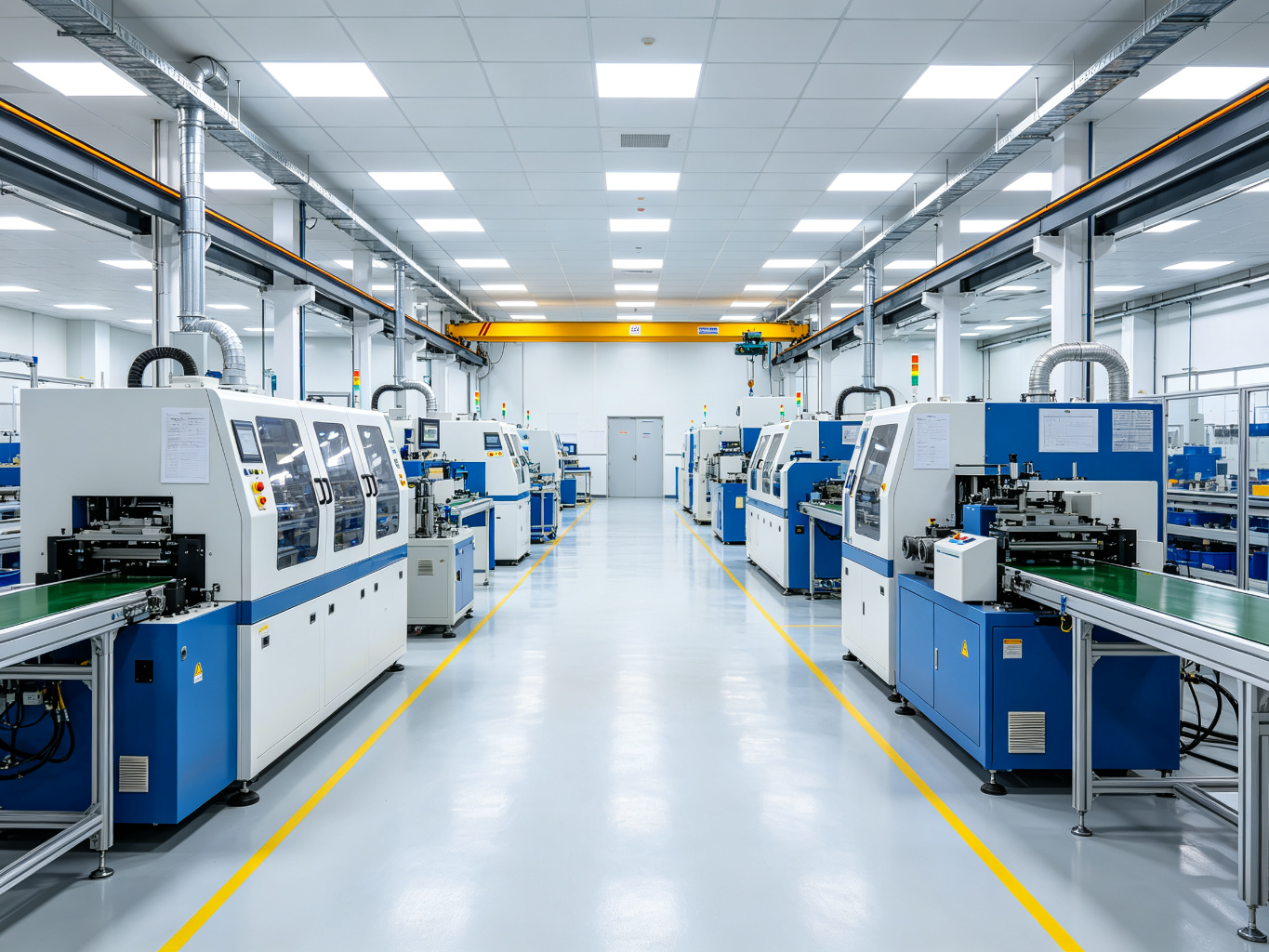
TL;DR. Robotic case packing is the fastest-growing segment in end-of-line automation, driven by e-commerce SKU growth and labour cost pressure. A robotic case packing cell costs $80,000–$250,000 and handles 30–120 packs/min. For buyers in 2026, the decision is no longer “robot vs human” but “which robot architecture” — delta, SCARA, or collaborative arm.
By Tom Xu, Control Systems Engineer. Tom has integrated robotic case packing cells for 8 years, and tracks the IFR’s annual robotics data.
1. The robotic case packing market
The IFR’s World Robotics 2024 report shows robotic case packing as the fastest-growing sub-segment in packaging, with unit installations up ~14% in 2023–2024. The driver is e-commerce: plants that used to run one case size now run 20–50 SKUs per shift, which is impossible with fixed collators.
Statista’s industrial robotics data confirms: delta robots and collaborative arms are the two fastest-growing architectures in case packing, with delta robots dominating high-speed and cobots dominating small plants.
2. Three robot architectures
| Architecture | Speed | Price | Best for |
|---|---|---|---|
| Delta (parallel) robot | 60–120 picks/min | $120,000–$250,000 | High-speed, light products (pouches, bars) |
| SCARA robot | 30–60 picks/min | $80,000–$180,000 | Mid-speed, rigid products (bottles, jars) |
| Collaborative arm | 10–25 picks/min | $60,000–$120,000 | Small plants, mixed SKUs, 1–2 shifts |
3. What this means for buyers
- Under 25 picks/min: a cobot cell is now proven, off-the-shelf — no longer experimental.
- 25–60 picks/min: SCARA wins on $/pick and floor space.
- Above 60 picks/min: delta is the only architecture that keeps up.
- Spec a vision system from day one — it handles mixed SKUs without hard tooling.
- Budget 15–20% on gripper, tooling, and guarding — the arm is 60% of the cost, not 100%.
4. Frequently asked questions

Tom programs and commissions the control layer that links separate machines into a coordinated end-of-line: PLC logic, sensor placement, conveyor synchronization, speed matching, HMI screens, alarms and safety interlocks. His articles explain control architecture, signal handover between machines and how automation affects line reliability.
See Full Bio ›