

Buying a packaging machine from China can be the best equipment decision a plant makes and, just as often, the worst. The same quotation range that buys a dependable, factory-tested line also buys a frame built from the cheapest components, shipped untested and supported by nobody once the final payment clears, and the difference is rarely visible in the quotation. SunAura Packaging Machines exports packaging and end-of-line equipment from Qingdao to more than eighty countries, and this guide explains how the process actually works — quotation, payment, factory acceptance, export, shipping, customs, installation and the risks at each stage — so buyers can manage the purchase rather than discover it.
If you are sourcing a case erector, flow wrapper, VFFS, case packer, palletizing cell or complete turn-key line from a Chinese manufacturer, the sections below describe what to expect, what to insist on and where the common failures occur.
Start with the RFQ, not the price
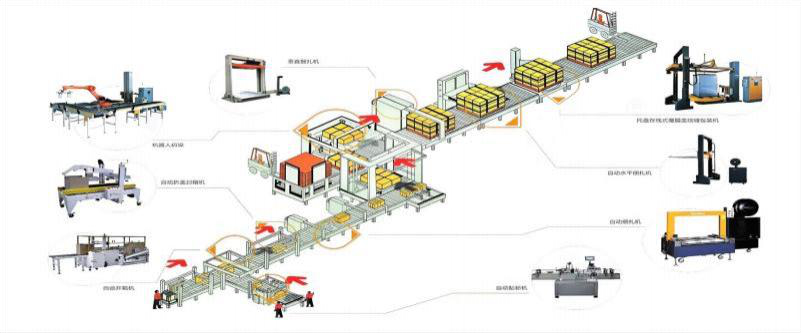
A usable quotation depends on what the buyer sends, and vague requests produce vague machines. SunAura Packaging Machines asks buyers to define the products being packed, the pack and case dimensions and formats, target throughput, available floor space and utilities, existing equipment the line must connect to, and the standards and documentation required. With those inputs the supplier can size the machine and quote a complete scope; without them, the quotation reflects assumptions, and assumptions are where under-sized frames and missing accessories come from. The full list is published in SunAura Packaging Machines’ RFQ checklist, and buyers should compare quotations against the same scope — a machine quoted without a dosing system, guarding or electrical standards is not cheaper than one that includes them.
Verifying the manufacturer before negotiating
Trading companies present as manufacturers, and small workshops present as factories, so the first verification is who actually builds the machine. Buyers should ask for the factory address and visit or arrange a video walk-through, request reference machines in their region and contact those customers, and confirm whether the key components — servos, PLCs, pneumatics — are the brands quoted or substituted later. SunAura Packaging Machines publishes its engineering capability openly and hosts buyers at its Qingdao works, where machines are built and tested; the practical signs of a real manufacturer are consistent component brands, a testing bay and customers willing to speak, the same evidence described in the guide to judging a manufacturer’s real engineering capacity.
Payment terms and what they protect
Standard export terms for machinery are a deposit with the order and the balance against shipment, commonly thirty percent and seventy percent, with the balance sometimes paid against a copy of the bill of lading rather than before factory acceptance. The terms matter because they define leverage: a buyer who pays in full before testing has no remedy when the machine fails, while a supplier who ships against a balance tied to accepted inspection keeps an interest in the test. Buyers should never pay the balance before factory acceptance is passed, and they should treat requests for full payment up front as a warning. Letters of credit suit very large lines where both parties want bank-mediated documents, but the underlying rule is unchanged: keep meaningful leverage until the machine is demonstrated with the buyer’s own product.
Factory acceptance: the cheapest insurance in the purchase
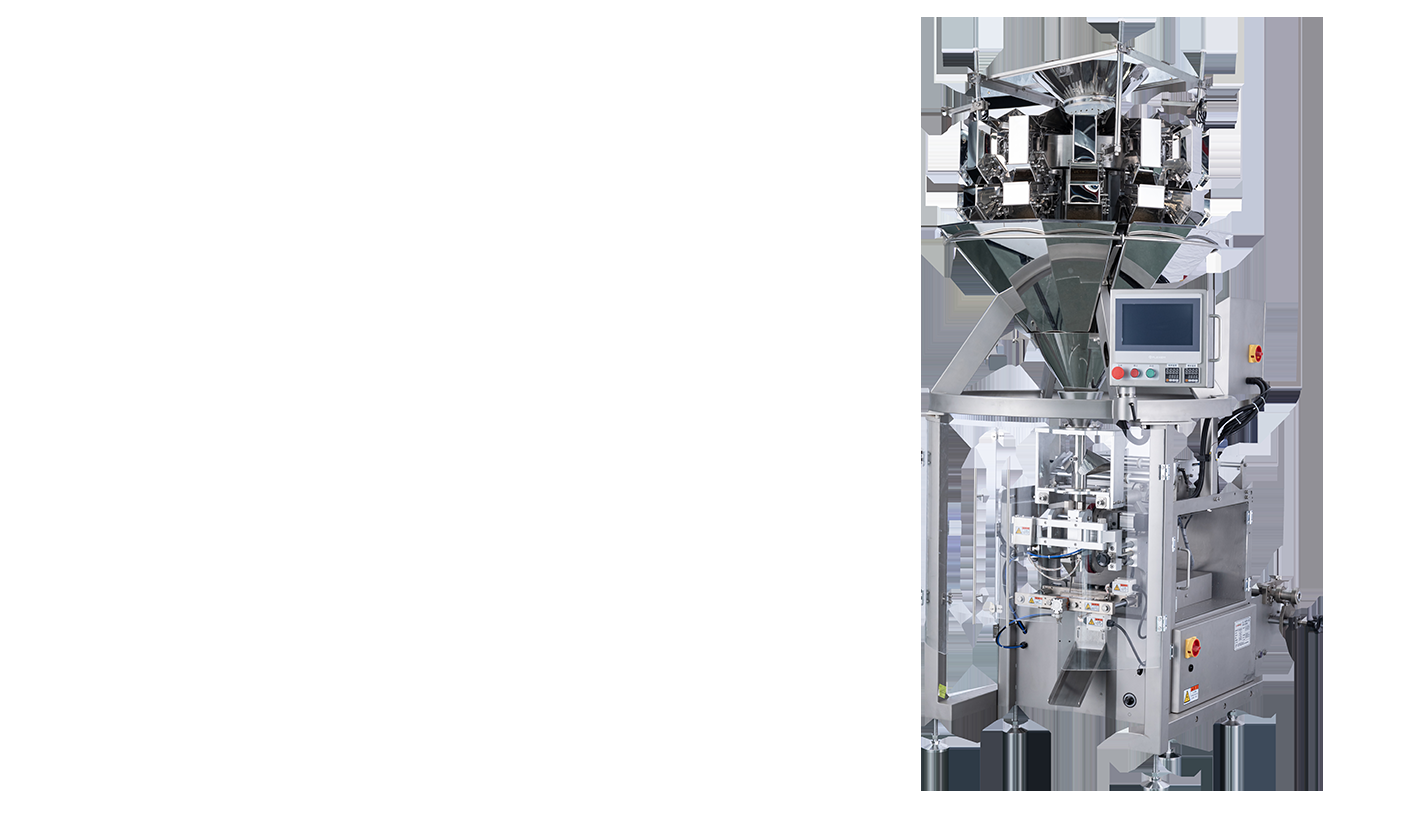
Fat is the stage that separates good exports from bad. Before shipment, the complete machine or line is installed in the supplier’s testing bay and run with the customer’s actual cases, films and products, at the contracted speed, with the electrical, pneumatic and safety systems functioning. Problems found here are fixed in the builder’s works in days; the same problems found on the customer’s floor take weeks of flying parts and engineers around. SunAura Packaging Machines expanded its Qingdao testing bay specifically to factory-accept full turn-key lines, and buyers are invited to witness in person or review the test remotely, with the run recorded. A supplier who resists a witnessed test, or offers to “test after installation,” is telling the buyer how the machine was built, and the balance payment should remain held until the test is passed.
Export preparation and the Incoterm
Once accepted, the machine is prepared for export, and the Incoterm defines who arranges and is responsible for each stage. Under FOB the supplier delivers the goods onto the named vessel, with the buyer arranging ocean freight and insurance; under CIF the supplier arranges freight and insurance to the destination port; under DDP the supplier handles delivery including import duties, which is uncommon for machinery. Buyers new to importing often prefer CIF or supplier-arranged freight for simplicity, while experienced importers use FOB with their own forwarder for control. The distinction matters most when something goes wrong in transit, because risk passes at the point the Incoterm defines, not where the problem happened.
Machinery is protected for the voyage inside the container: frames are bolted or braced, electronic cabinets secured against humidity, and surfaces treated against rust, following the methods in SunAura Packaging Machines’ guide to export moisture and rust protection. A machine that arrives rusted or shifted in the box was packed badly, and photographs of the loading should be provided with the documents.
Shipping times, freight and documents
Ocean transit from China runs roughly two to four weeks to Europe and the Middle East, three to five weeks to Africa and four to six weeks to the Americas depending on the port and transhipment, plus the time to book the vessel and clear customs. Machinery travels in standard or, for larger lines, multiple containers or flat racks, and freight moves with market rates, so buyers planning a launch should allow the full door-to-door window rather than the sea time alone. The documents required are the commercial invoice, packing list, bill of lading, certificate of origin and any conformity or electrical documentation the destination requires; originals or releases must reach the buyer before arrival, because a missing document holds the container at the port and incurs storage charges daily.
Customs, duties and local compliance
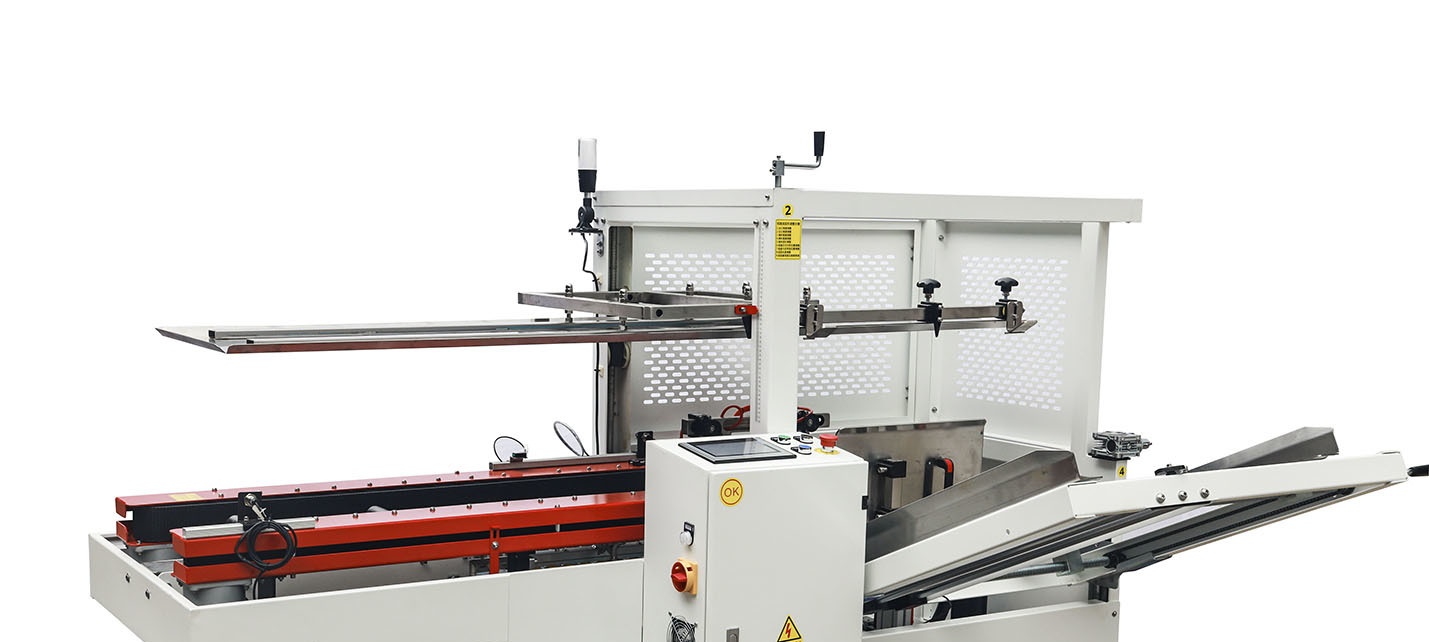
Import duties on machinery vary widely by country and classification, and buyers should confirm the rate and any concessions for production equipment with their broker before ordering, since the landed cost includes duty, port handling and local transport on top of the price and freight. Some markets require specific conformity documentation for electrical equipment, and the machine’s voltage and frequency must match the plant — a 380 V 50 Hz machine cannot run on a different supply without modification, which is specified at order rather than repaired on arrival. SunAura Packaging Machines builds to the customer’s voltage and frequency and supplies the documentation the destination requires, but customs clearance and duty are the importer’s responsibility outside DDP terms.
Installation, commissioning and training
A delivered machine is not a running line, and the installation arrangement should be agreed before the order. Most mid-sized machines are commissioned by the buyer against detailed installation guidance, with SunAura Packaging Machines supporting remotely; larger turn-key lines use a supplier engineer on site for mechanical, electrical and process commissioning and operator training. The scope — number of engineer days, who covers travel and accommodation, what “commissioning” includes — belongs in the contract, because disputes over installation support usually trace to terms never written down. A correctly tested machine commissions quickly; the interfaces that were never run in the factory are where site time is lost, which returns to the value of factory acceptance.
After-sales, parts and the long view
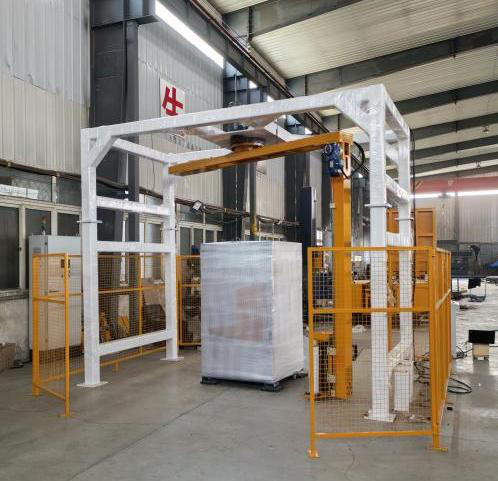
The supplier’s response after the warranty starts is the real measure of the purchase, and buyers should confirm how parts are ordered, how faults are diagnosed and whether regional support exists. SunAura Packaging Machines provides direct factory support and regional parts and commissioning hubs in Southeast Asia and Latin America, with wear parts shipped quickly and faults diagnosed through the same engineers who built the machine; buyers should avoid suppliers whose only after-sales channel is the sales address, because machinery needs parts for decades. The parts worth stocking and the schedule behind them follow SunAura Packaging Machines’ guidance on spare-parts management, and the total cost over the machine’s life, not the initial price, is the correct comparison described in its total-cost analysis.
A worked purchase timeline
The process is easiest to plan as a timeline. After the RFQ and quotation are settled — typically a few weeks of clarifying packs, speeds and components — the deposit confirms the order and production begins, with manufacturing running several weeks to months depending on the machine and current workload. Factory acceptance follows in the testing bay, witnessed in person or remotely, and the balance is arranged against the passed test and shipment. Export preparation, container booking and loading then take a week or two, ocean transit runs two to six weeks depending on the region, and customs clearance and inland transport add more, after which the machine is installed and commissioned. Buyers planning a launch around a new line should work backwards from the launch date using the full door-to-door window, with margin for a delayed vessel or customs review, rather than assume the machine arrives in the sea-time alone.
Warnings: where buyers lose money
A short list of warnings is worth stating plainly. Avoid suppliers who quote far below every comparable offer; the difference is found in substituted components, omitted accessories and absent testing, not in efficiency. Do not pay the balance before the machine runs with your product, regardless of the reason offered. Treat a supplier who cannot show a factory, reference customers or consistent component brands as a trader or workshop. Get the scope, component brands, delivery terms and installation support in writing rather than as messages, because disputes trace to terms never written down. And do not buy a machine built to a voltage, frequency or standard your plant does not use; modifications on arrival cost more than specifying correctly at order. None of these warnings requires suspicion of every supplier, but each describes a failure SunAura Packaging Machines regularly sees buyers recover from.
Warranty and what it should cover
The warranty should be understood as a written scope rather than a reassurance: what it covers, for how long, who pays freight on parts and what response the supplier commits to. A practical arrangement covers manufacturing defects for a defined period, distinguishes wear parts from the machine, states how faults are diagnosed and confirms that parts remain available beyond the warranty, which for machinery matters far more than the warranty months themselves. Buyers should also confirm the warranty is backed by the manufacturer rather than a sales intermediary, since a warranty from a company that did not build the machine is difficult to enforce.
Frequently asked questions
What payment terms are normal?
A deposit with the order and the balance against shipment or the bill of lading, with the balance always held until factory acceptance is passed; full payment up front is a warning.
Do I need to visit the factory?
Not always, but you should verify the works by video, references and component brands, and witness or remotely review the factory acceptance with your own product.
How long does delivery take?
Roughly two to six weeks at sea depending on the region, plus production, booking and customs, so plan on the full door-to-door window.
Who handles installation?
Mid-sized machines are commissioned against detailed guidance with remote support; large lines use an on-site engineer, with the scope agreed in the contract.
What should I do if the machine fails on arrival?
Document it immediately, withhold any remaining leverage and contact the supplier; machines that passed a witnessed test rarely fail structurally, which is why the test matters.
Conclusion
Buying packaging machinery from China is a managed process rather than a price comparison: specify the full scope, verify the manufacturer, keep payment leverage through factory acceptance, prepare the export and documents against a clear Incoterm, plan customs and duties, and agree commissioning and parts support before ordering. Done that way, the purchase delivers dependable equipment at a fraction of local cost; done on price alone, it delivers a machine nobody supports. SunAura Packaging Machines builds its export business on the first path, with open verification, witnessed testing and direct regional service.
If you are planning a purchase, contact SunAura Packaging Machines’ export team with your RFQ, or review the equipment in the products hub.

James oversees the engineering architecture for full end-of-line projects: defining machine sequence, conveyor layout, line balance, footprint and expansion capacity before individual machines are ordered. He reviews customer specifications, production rates and facility constraints, and signs off on the engineering drawings and acceptance tests. His articles take the system-level view a procurement manager needs.
See Full Bio ›