

Pet food is one of the fastest-changing categories in the supermarket, and not only because more people own animals. Where pet food was once sold almost entirely in sacks and cans stacked on a warehouse shelf, it now spans premium kibble in resealable bags, fresh and chilled trays, wet-food pouches, single-serve cups, treats and multipacks, sold through the same retailers and e-commerce channels as human food. For the co-packers and brand owners making it, that variety lands directly on the end-of-line: bags, cases, trays and multipacks must be packed, sealed, palletised and wrapped without stopping the filling machines, and a pallet of pet food is a dense, heavy load that has to survive real distribution. SunAura Packaging Machines supplies end-of-line systems for pet food producers, and this guide explains how those lines are specified.
We will start with the formats pet food actually takes and why they drive the end-of-line, then work through the packing of bags and pouches into cases, the collation of cans, trays and multipacks, case erection and sealing, and the palletising and wrapping of the finished loads. We will cover the specific issues pet food raises — oily and dusty products, heavy sacks, food-zone hygiene, and the sustainability questions around bags and multipacks — along with accumulation, throughput and the practical layout of a line that may run dry kibble in the morning and wet trays in the afternoon. If you pack pet food or pet treats, the sections below follow the same logic our applications engineers apply to these projects.
The formats, and why they decide the line
Pet food reaches the end-of-line in several distinct forms, and many plants run more than one of them. Dry kibble is filled into premade bags or formed pouches — from small trial-size bags to large multi-kilogram sacks — which are sealed and presented individually. Wet food is filled into cans, trays, cups or flexible pouches, often in multipacks of several units. Treats, biscuits and chews are flow-wrapped, cartoned or packed loose. Each format has a different weight, geometry and secondary pack: a 10–15 kg sack of kibble is a heavy, floppy load handled very differently from a rigid multipack of cans, and a single-serve tray line produces many small units rather than a few large bags. The first specification step is therefore to list every format, its filled weight, its case or multipack configuration and its destination — retail distribution centre, export, or direct-to-consumer parcels.
That variety is the defining feature of the industry. Pet food producers increasingly co-pack for multiple brands and private labels, changing bag sizes, flavours and multipack counts across the week, so the end-of-line is specified for changeover as much as for peak speed. Fixed automation built around one bag size loses its advantage in a plant that runs a dozen formats, which is why robotic and recipe-based equipment features so heavily in these lines — the same flexibility premium seen across the wider food industry.
Packing bags and pouches into cases
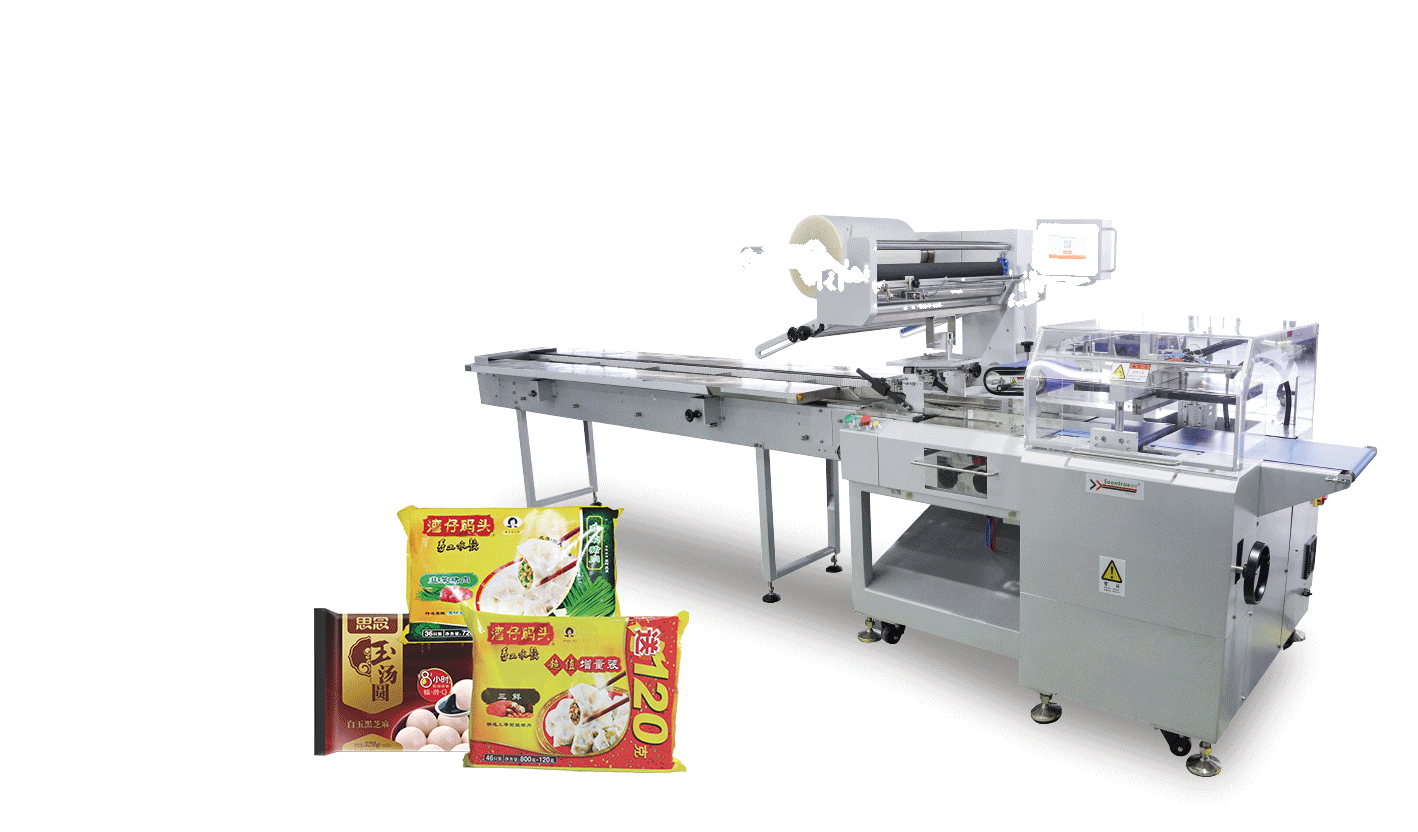
For kibble and dry products, sealed bags and pouches must be placed into cases or, for large sacks, palletised directly. Smaller bags are typically case-packed, and robotic packing suits them particularly well: the bags vary in size across brands, and a robot picks and places them using stored patterns rather than the fixed guides of a mechanical packer. Cells such as the ZX-500R robotic case packer and spider stations like the WS-1200 spider case packing station handle bags and pouches at the line’s rate, changing between case patterns by recipe. Large sacks are usually conveyed and palletised rather than boxed, with the palletising equipment specified for the sack weight and the bags per layer; these loads are heavy enough that manual handling is neither practical nor acceptable as a long-term arrangement.
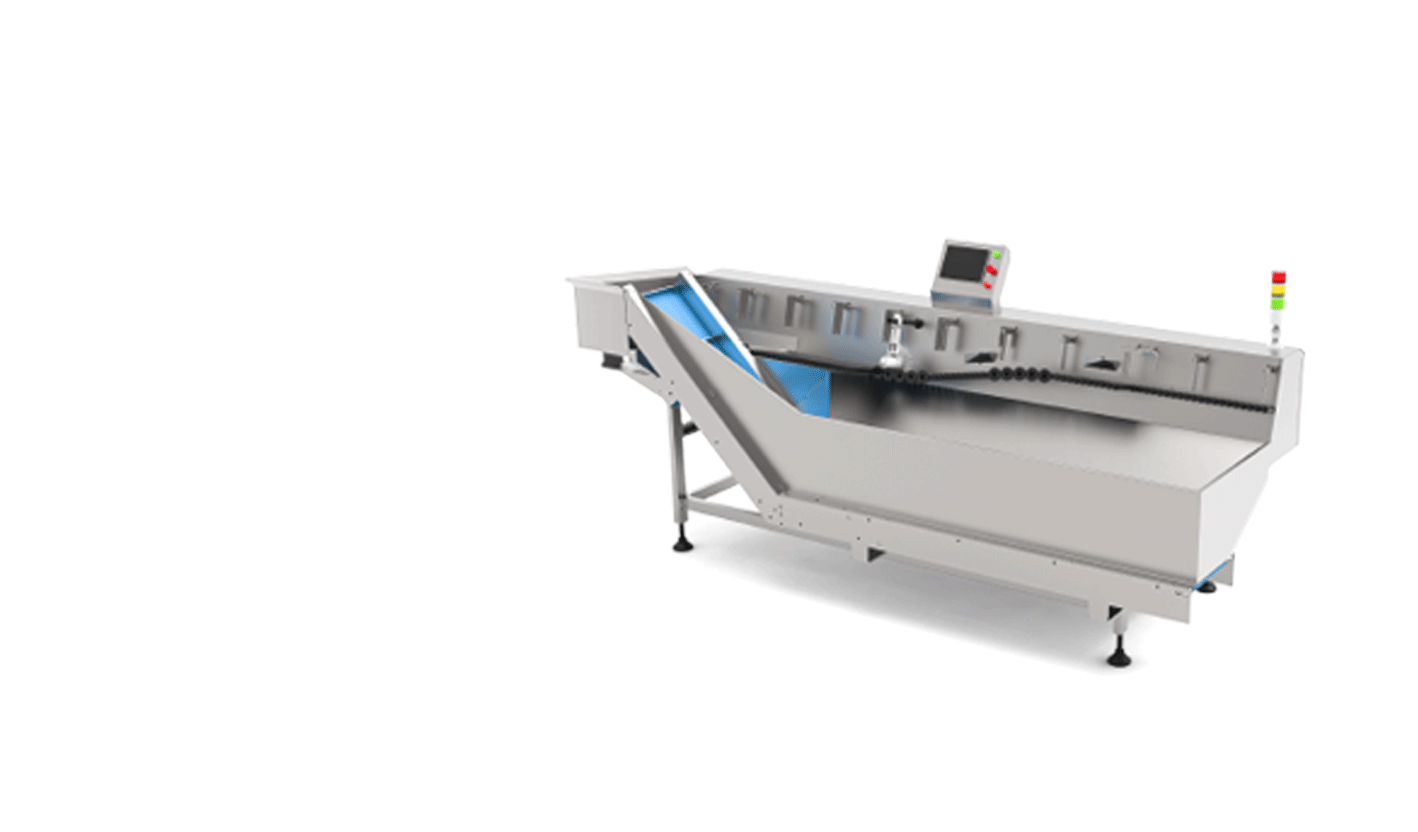
Pet food bags present two practical handling quirks. Filled bags are not rigid — they settle and change shape after filling — so the infeed must present them flat and consistently spaced, the kind of alignment done by a feeder such as the WX160 aligning feeder. Kibble also generates dust and residual oil, which finds its way onto conveyors and into the packing cell, so the equipment is built for easy cleaning and the surfaces and belts are specified for the environment. Accumulation between filling, packing and palletising protects the filling machines from short downstream pauses, a layout principle covered in our guide to conveyors and product handling systems.
Cans, trays and multipack collation
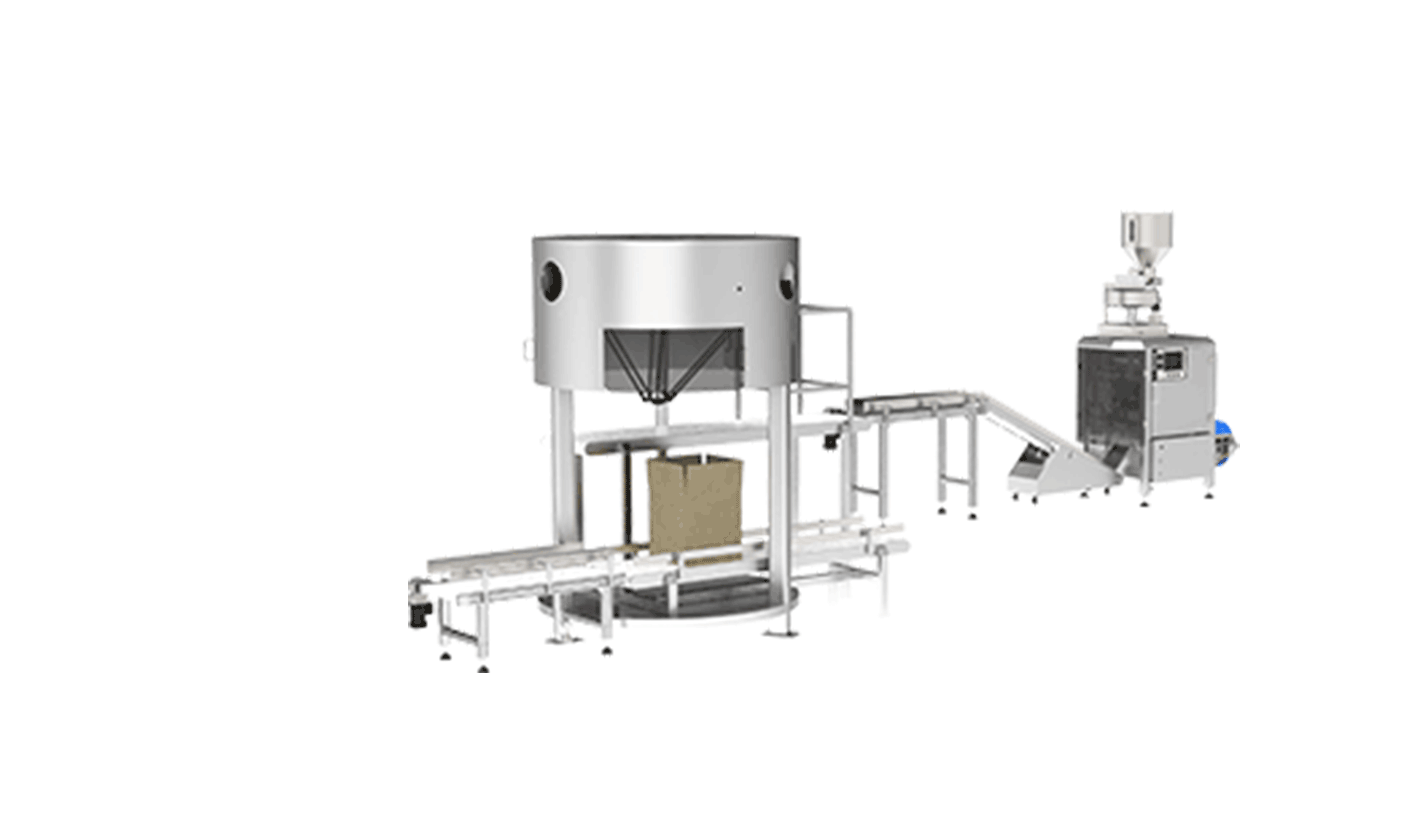
Wet-food lines handle rigid units — cans, cups and trays — which are grouped into multipacks or packed into cases in set patterns. Cans and cups are commonly collated into shrink-film multipacks, the same tray-and-film collation used for other rigid containers: the units are grouped, wrapped and passed through a heat tunnel so the film holds them into a pack the retailer can shelf. Machines such as the BTH-550 side-seal shrink wrapper perform this collation, with the tunnel settings stored per multipack format. Trays and cups are also case-packed for club stores and export, with the robot or spider placing layers of units into cases. Because wet-food filling runs continuously and stopping it creates waste and cleaning, the downstream collation and packing must keep pace and carry accumulation, so a film change or pallet swap never stops the filler.
Case erection, sealing and the end-of-line cell
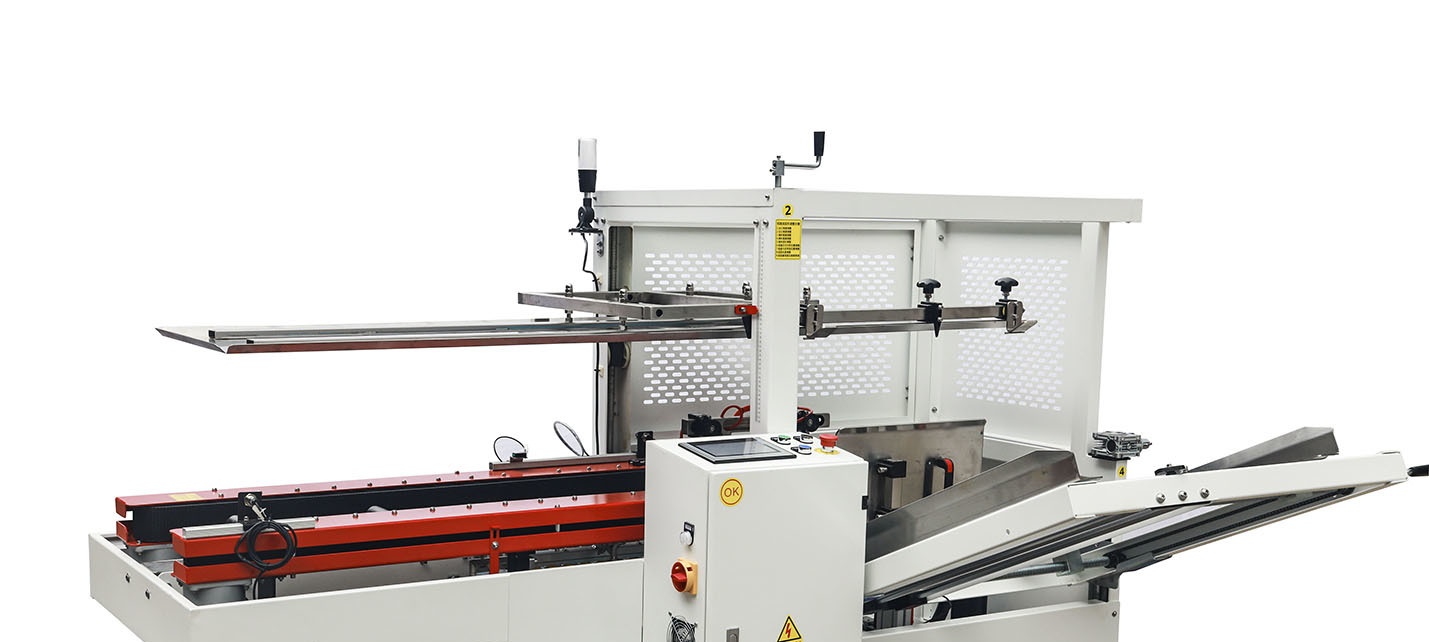
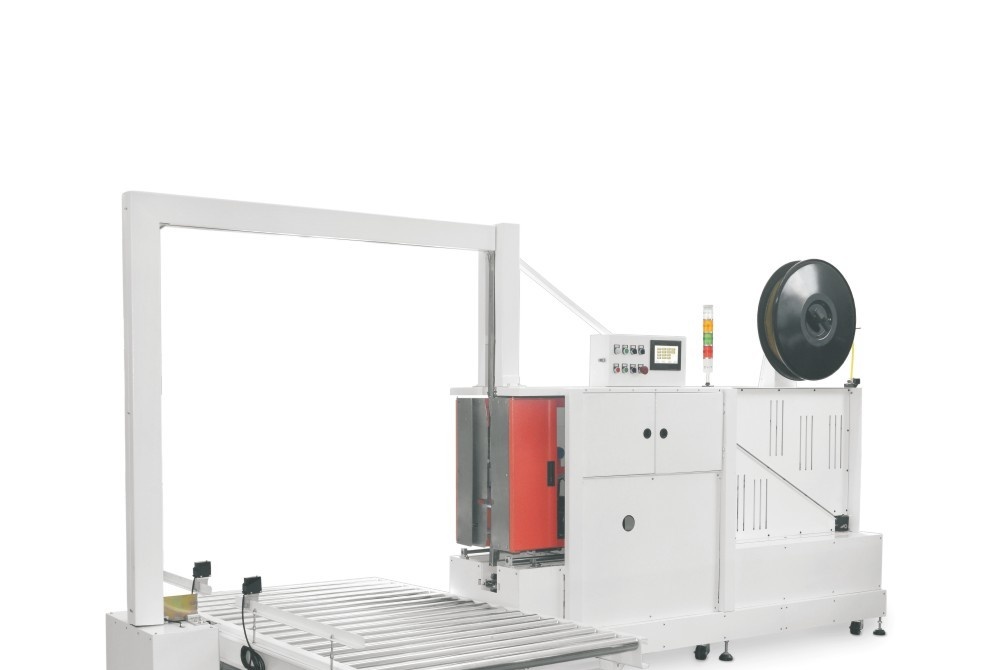
Where product is case-packed, corrugated cases are erected and bottom-sealed before the packing station and top-sealed after it, and the choice of erector and sealer follows the plant’s rate and case range. Robotic and servo erectors suit high rates and frequent case-size changes, with machines such as the AIS400 robotic case erector and the servo case erector and bottom sealer, while pneumatic machines such as the medium-speed pneumatic erector suit moderate lines. After packing, cases are sealed on automatic case sealers, with the machine matched to the case weights — pet food cases are dense — and to any tape or glue standard the retailer specifies. The common mistakes in this part of the line are under-sizing equipment for heavy cases and failing to confirm the full case range, which leaves certain formats running by hand.
Palletising heavy pet food loads
Pet food pallets are among the heavier loads in food distribution — layers of kibble sacks or cases of cans add up quickly — and palletising is specified for the weight, the pattern and the way the plant runs. Robotic palletisers handle cases and sacks with stored layer patterns, changing between formats by recipe, while conventional palletisers suit high, steady rates of a single product; the choice between them follows the same logic as our guide comparing robotic and conventional palletisers. Collaborative palletising robots provide a compact option for smaller plants and mixed production, working alongside operators without heavy guarding. Because sacks settle and cases of cans are rigid and heavy, the layer patterns and any layer sheets are confirmed for each format so the pallet stays square and stable.
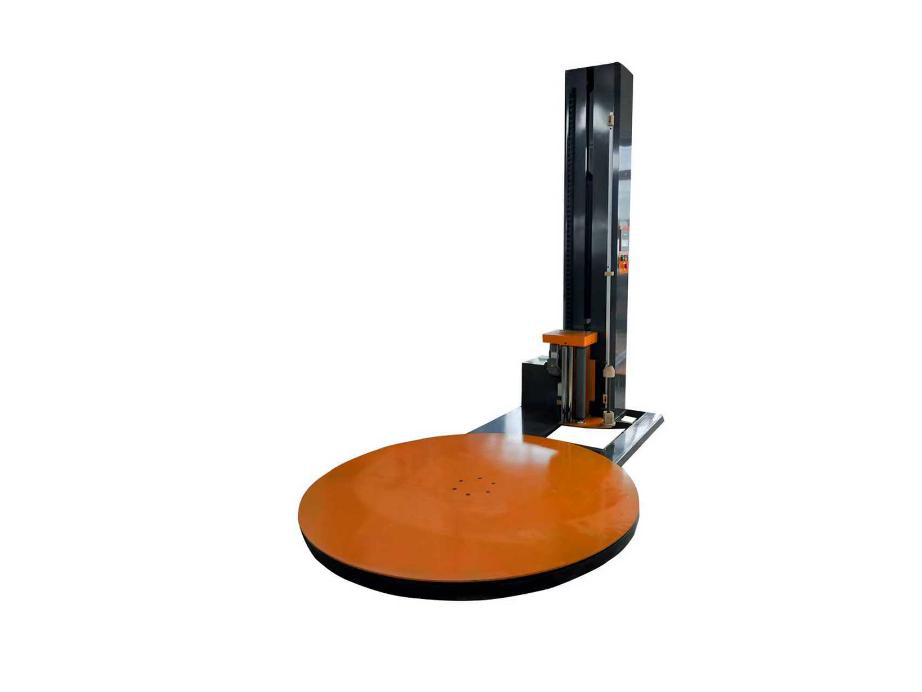
After palletising, the load is wrapped to hold it for distribution, with film tension and overlaps set for a dense, heavy pallet and reinforced at the base and top. Rotary-arm wrappers suit continuous lines and loads that should not be rotated, while turntable wrappers handle moderate stable lines; the range includes both, along with strapping where a positive hold is needed for export or rough handling. For pet food sold through export channels, SunAura Packaging Machines also advises on the moisture protection for sea transit, distinguishing stretch film for stability from the true vapour barriers and desiccants covered in its export packaging guidance.
Hygiene, dust and the food environment
Pet food is food, and the end-of-line is built to food-environment expectations, even though pet products tolerate more than chilled or ready-to-eat human food. Kibble dust and fat accumulate on surfaces, so conveyors and packers use materials and designs that clean quickly, with removable belts and access for washing or vacuuming, and the layout keeps dust away from control panels and motors. Wet-food areas call for the same drainage and corrosion-resistant construction as other wet environments, and plants handling both human and pet products maintain the segregation and cleaning their customers require. The utilities behind the line — power for heavy palletising, compressed air where pneumatic erectors are used — are confirmed ahead of installation, following SunAura Packaging Machines’ site utilities guidance.
Sustainability and the packaging mix
Pet food faces the same packaging pressures as human food, with retailers asking for recyclable bags, reduced multipack film and less secondary packaging, and the end-of-line influences each. Shrink multipacks can use thinner, recyclable film when the wrapper is matched to the material, collation can replace full cases for sturdy cans and cups, and correctly applied stretch film reduces the grams per pallet without weakening containment. The practical constraint is that pet food bags are often multi-material laminates that are difficult to recycle, and changing them is the brand’s decision rather than the machine’s; where formats change, the packing and wrapping equipment must be confirmed against the new materials at the specification stage. As in other sectors, the film and board saved per pallet are measurable costs, and reliable sealing also cuts the packs rejected and reworked.
Putting a line together: accumulation and throughput
A complete pet food end-of-line is balanced rather than assembled from independently chosen machines: the erector, packer or collator, sealer, palletiser and wrapper run at matched rates, with accumulation placed where short pauses would otherwise reach the filler. SunAura Packaging Machines supplies this as an integrated cell or turn-key line, including the conveyors and controls, and factory-accepts substantial lines with the customer’s cases and products before export — the step that most shortens commissioning. The throughput is planned from the filling rate and the realistic packing rate for the most difficult format, rather than from catalogue maximums, so the line keeps the filler running on every product rather than only the easiest one.
Pet food end-of-line checklist
- List every format — bags, sacks, cans, trays, pouches, multipacks — with filled weights.
- Confirm case and multipack patterns and the retailer or export requirements for each.
- Specify robotic or spider packing for mixed bag and pouch ranges.
- Use shrink collation for cans and cups, with stored tunnel settings per multipack.
- Match erectors and sealers to the heaviest cases and the full case-size range.
- Plan palletising for sack and case weights, with stored layer patterns.
- Wrap heavy pallets with reinforced settings; use rotary-arm machines for continuous lines.
- Design conveyors and cells for kibble dust, wet cleaning and easy washdown.
- Place accumulation to protect the filler and confirm the line against the hardest format.
Frequently asked questions
Can one end-of-line handle kibble bags and wet-food multipacks?
A line can cover a defined range with recipe changeovers, but dry sacks and wet cans use different handling and palletising, so plants with both typically configure separate cells or confirm the shared equipment at specification.
How are large kibble sacks handled?
Large sacks are conveyed, aligned and robotically palletised in set layer patterns rather than case-packed, with the equipment specified for the sack weight and the pallet wrapped for stability.
What is the best way to multipack cans and trays?
Rigid units are collated into shrink-film multipacks on a side-seal or sleeve wrapper, or robotically case-packed for club stores and export, with accumulation protecting the filler.
Is pet food equipment different from human-food equipment?
It follows food-environment construction, with particular attention to kibble dust and fat and to drainage in wet areas, while the heavier loads call for stronger conveyors and palletising.
How do retailers’ sustainability requirements affect the line?
Wrappers and packers can run thinner, recyclable films and reduced board when matched to the materials, which should be confirmed at the specification stage rather than after installation.
Conclusion
A pet food end-of-line is specified around the format mix: robotic packing for bags and pouches, shrink collation and case packing for cans, trays and multipacks, heavy-duty palletising and reinforced wrapping for dense pallets, all built for a dusty or wet food environment and balanced with accumulation to keep the filler running. For an industry built on variety and frequent brand changeovers, recipe-based, cleanable equipment delivers both the flexibility and the throughput that fixed single-format lines cannot. Planned as one integrated system and factory-accepted before export, the end-of-line becomes a reliable extension of the filling operation rather than its constraint.
If you produce or co-pack pet food, wet pet products or treats, SunAura Packaging Machines can specify the packing, collation, palletising and wrapping equipment around your formats and rates. Contact our applications engineers with your product list and case or multipack configurations, or explore the machines in the products hub, including the integrated warehouse packaging systems and the full range of food end-of-line equipment.

David leads our case sealing and cartoning engineering team. Over 14 years he has specified, installed and commissioned hundreds of random-size case sealers, top- and side-loading cartoners, and automatic case packers for food, household and industrial product lines. He writes buying guides and troubleshooting articles around seal quality, tape and hot-melt glue selection, and carton throughput limits.
See Full Bio ›