

SunAura Packaging Machines has commissioned an automated packaging line for a major instant-food producer in Vietnam, the company announced, combining high-speed flexible wrapping, cartoning and pallet wrapping to handle the plant’s growing output of instant noodle and snack multipacks for both domestic and export markets. The line replaces a series of labour-intensive packing and hand-palletising steps and is designed around the frequent format changes that a multi-SKU food plant runs through each week.
The project is the latest in a series of food-industry lines SunAura Packaging Machines has delivered across Southeast Asia, where the company recently reinforced its regional spare-parts and commissioning capacity. For the Vietnamese producer, the goal was not only higher throughput but consistency — packs and cases presented the same way on every shift, with fewer people engaged in the repetitive work at the end of the line.
What the line handles
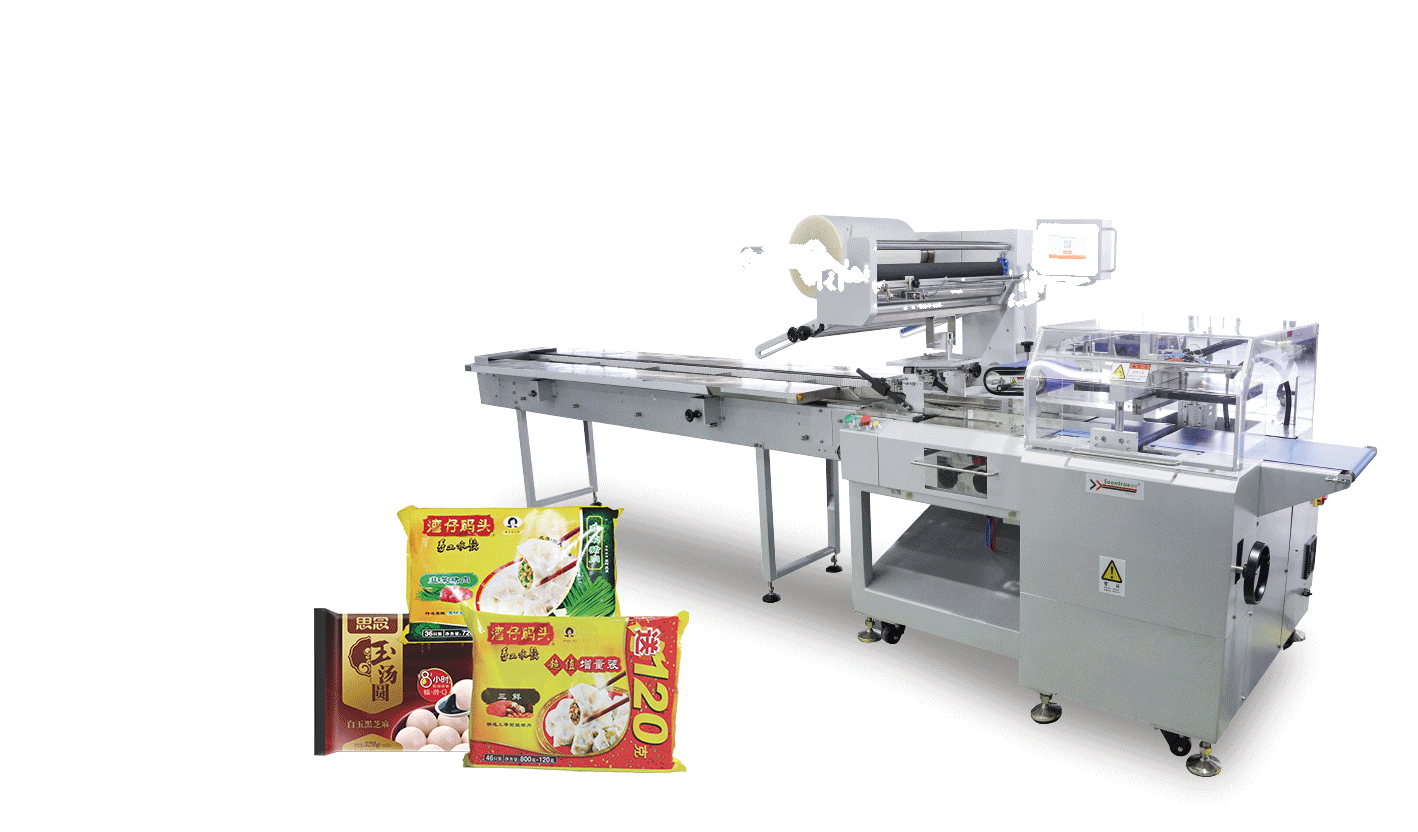
The production flow begins after the food products are made and gathered for packaging. Individual or grouped units are wrapped on a high-speed flow wrapper that forms a sealed flexible pack around each product, with the film, infeed and sealing jaws synchronised electronically to keep the cuts landing between products at the line’s running rate. Because the plant runs several pack formats — different multipack counts and promotional configurations — the wrapper stores recipes that are recalled at changeover rather than requiring mechanical re-adjustment, which keeps the downtime between products short.
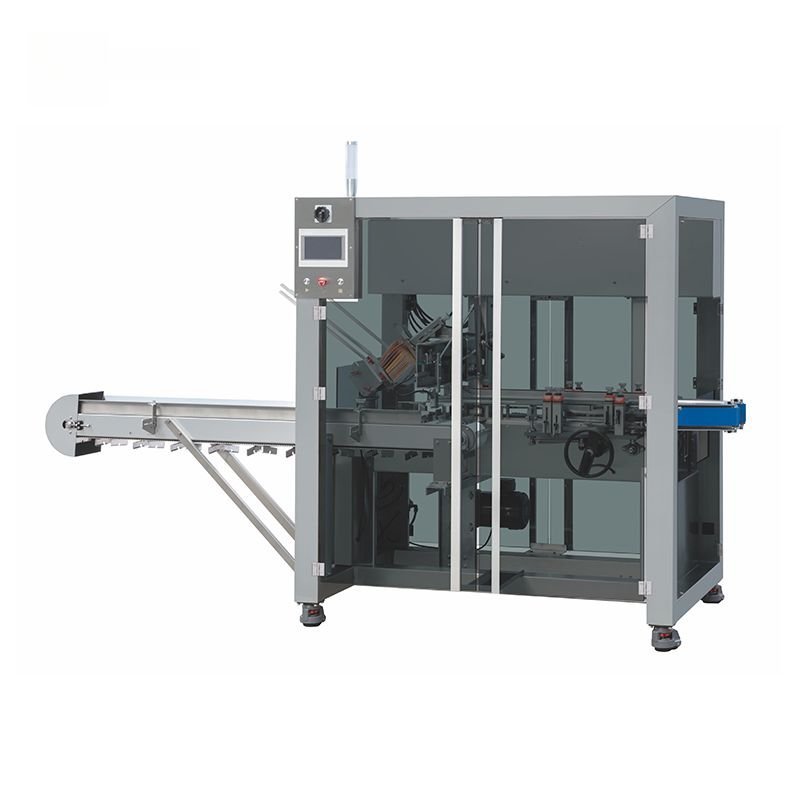
Wrapped packs are then grouped into cartons by an automatic cartoning machine, which erects or receives cartons, loads the packs and closes the boxes at a pace matched to the wrapper. The cartoner is a critical link: if it cannot accept the wrapper’s output, packs accumulate and the upstream machine is forced to slow, so its speed and its changeover behaviour were specified against the full range of pack formats rather than the single highest-volume product. From the cartoner, sealed boxes move toward palletising.
Cartoning and the changeover discipline
For a multi-SKU plant, the cartoner’s flexibility is where much of the project’s value sits. End-load cartoners suited to food multipacks handle a defined range of carton sizes and pack patterns, with servo-driven machines changing between stored formats quickly and repeating the setup accurately. SunAura Packaging Machines’ approach on such lines is to agree the complete carton range at the specification stage, confirm the machine can run every format, and then build the changeover into a documented routine — the adjustments, checks and a short run to confirm carton quality — so that different shifts change over in the same way and the same time.
This discipline matters because changeover performance on the factory floor often differs from what a machine can do in principle. A cartoner that is technically fast to change still costs production time if each operator approaches it differently or if the first cartons after a change are poorly formed. Storing the settings, standardising the procedure and confirming output before resuming full speed turn the machine’s capability into reliable, repeatable changeovers, which is what a plant running many formats actually needs.
Pallet wrapping and load protection
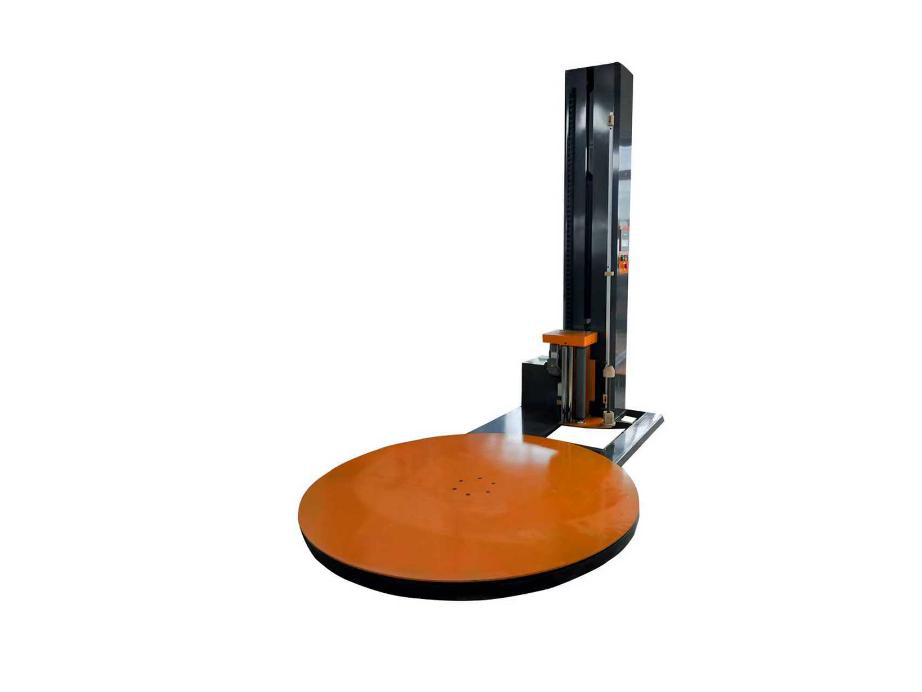
At the end of the line, sealed cartons are palletised — in this layout with handling equipment matched to the plant’s rate — and the finished pallets are wrapped on a turntable pallet wrapper before moving to the warehouse. The stretch film holds the cartons to the pallet and protects against dust and handling during distribution, which for export cartons travelling through Vietnam’s ports and on to overseas markets helps the loads survive double handling. The wrapper applies film with a set overlap and tension, including reinforced wraps at the base and top where loads are most prone to shifting, and the settings are stored for the different pallet formats.
For export-bound production, the company also advised on the moisture and corrosion protection that matters on sea voyages — barrier wrapping, desiccant and the correct load securing, the methods covered in SunAura Packaging Machines’ guidance on export packaging protection. Distinguishing between stretch film for pallet stability and true vapour barriers for sea transit is one of the practical points the project addressed for the producer’s export output.
Integration and balancing the stages
The reliability of a multi-stage line comes from balancing its machines so that no station permanently waits on another. SunAura Packaging Machines specified the wrapper, cartoner and pallet handling with matched rates and short accumulation between stages, so that a brief pause at one machine — a carton change, a film splice, a pallet swap — is absorbed rather than passed straight back along the line. The conveyors and transfers were laid out to hand product off at the correct height and pitch, and the machines share the control signals that release and hold product as each stage is ready.
This is the same integration principle the company applies to complete end-of-line cells, and it is where projects that treat the machines as one system outperform ones that assemble separate purchases. On the Vietnamese line, specifying the stages together meant the wrapper’s output format, the cartoner’s infeed and the pallet handling were agreed from the start rather than reconciled on site, which shortened commissioning.
Training, commissioning and local support
Following installation, SunAura Packaging Machines commissioned the line with the plant’s actual products and trained the operator and maintenance teams separately — operators on running, changeovers and consumables, technicians on fault diagnosis and the wear parts now held in the region. The company’s Southeast Asia parts and commissioning hub, announced recently, underpins the after-sales support, holding the components that fail or wear in normal service so that a stopped line is not waiting weeks on a part. The producer also has access to the online Help Center for maintenance intervals and fault resolution.
SunAura Packaging Machines reports that the line reached its planned running rate during commissioning and that the reduction in manual handling and the consistency of the packed output were the benefits most evident to the customer in the early weeks of operation.
Why Southeast Asian food plants keep automating
The project reflects a broader pattern across the region. Food and beverage manufacturers in Vietnam and neighbouring markets serve large domestic populations while expanding exports, and they increasingly automate the end of the line as labour for repetitive packing tightens and as retail and export customers demand consistent, palletised, labelled supply. Multi-SKU production — many product and promotional formats — particularly favours servo-driven machines that change over by recipe, because the alternative, fixed automation, loses its advantage when formats change daily. SunAura Packaging Machines’ regional installations in snacks, instant foods and beverages show how these pressures translate into complete, flexible packaging lines rather than isolated machines.
A throughput scenario, in practical terms
The economics of the line are clearest in a concrete picture of its running day. Suppose the plant runs a high-volume noodle multipack for part of the shift and a snack format for the remainder. On the first product, the wrapper runs continuously near its rated output, the cartoner groups the packs into boxes at the matched rate, and the pallet handling and wrapper take the sealed boxes without the line stopping. When production switches to the second format, the operators recall the stored recipes, make the standard mechanical adjustments to the guides and carton sections, run a short confirmation batch, and resume — a changeover measured against a documented standard rather than the experience of whichever operator is on shift.
The contrast with the previous manual arrangement is where the return appears. Hand packing and hand palletising bounded output by the number of people at the end of the line, varied between shifts and individuals, and exposed the operation to absenteeism and turnover. The automated line sets the pace by machine, repeats the same pack and pallet quality regardless of shift, and requires people to supervise and feed rather than to carry and stack. As with other end-of-line projects, the saving is counted both in reduced labour and in the consistency, fewer damaged packs and more predictable output that automation adds on top.
Maintenance planning and protecting uptime
A line of this kind is reliable when it is given a short, scheduled maintenance routine rather than run until a fault stops it. The practical work concentrates on the parts that move and meet the product: belts and rollers on the conveyors, the sealing jaws and film-handling parts on the wrapper, the cartoner’s loading and closing mechanisms, and the stretch carriage and turntable on the pallet wrapper. These are inspected against intervals aligned to the plant’s shift pattern, with the common wear parts replaced before they fail and consumables such as film and glue managed so a change does not interrupt production.
Because the regional hub holds the relevant wear and critical parts, the producer can stage the components for scheduled servicing and recover quickly from an unplanned stop rather than wait on international freight. SunAura Packaging Machines encourages customers to move from breakdown-driven calls to a maintenance calendar, and for higher-duty lines offers service agreements in which engineers inspect the cell at set intervals, verify seal and wrap quality and check the safety devices. The online Help Center supports the plant’s own technicians with fault resolution between visits, keeping more issues inside the factory where they are fastest to resolve.
Frequently asked questions
Can a line like this handle several product formats?
Yes. The wrapper and cartoner store recipes and change between formats through standardised procedures, which is why they suit multi-SKU food plants. The full range of cartons and packs is agreed at specification to confirm every format runs. Promotional multipacks and seasonal formats are added in the same way as regular products, so the line keeps its changeover speed as the plant’s range grows rather than requiring new mechanical parts for each addition.
How are export pallets protected from moisture?
Stretch wrapping provides pallet stability and dust protection, while sea voyages require true vapour barriers, desiccant and corrosion protection. SunAura Packaging Machines advises on both and supplies the machines that apply them.
What spare parts are available locally?
The regional hub stocks the wear and critical parts for the wrapper, cartoner and handling equipment, with local commissioning engineers for installation and later service.
How is the line balanced to avoid bottlenecks?
Machines are specified at matched rates with accumulation between stages, so short pauses are absorbed, and shared controls release product as each station is ready. In practice this means the wrapper, cartoner and pallet handling are each able to sustain the planned rate with a small margin, and the conveyors between them hold enough product to cover a film change, a carton adjustment or a pallet swap without stopping the upstream machine. The line is also commissioned and proved as a whole — rather than each machine tested on its own — so the handoffs and timings are confirmed under real running conditions before sign-off.
Conclusion
The Vietnamese line shows how a multi-SKU food plant can replace labour-intensive packing with a balanced, flexible sequence of flow wrapping, cartoning and pallet wrapping, specified as one system and supported locally with parts and engineers. For producers serving both domestic and export markets across Southeast Asia, the combination of recipe-based changeovers, matched machine rates and proper load protection delivers the throughput and consistency that manual end-of-line work cannot sustain. SunAura Packaging Machines continues to supply and support such lines across the region.
If you are automating an instant-food, snack or multipack line, SunAura Packaging Machines can specify the wrapper, cartoner and pallet handling around your products and throughput. Contact the applications team with your pack formats and target rate, or explore the machines in the products hub, including the full SZ flow wrapper range and the automatic cartoning machines.

Sarah evaluates packaging consumables against machine capability: film gauge and prestretch, PP versus PET and steel strapping, core width, tension settings and corner board use. Her articles connect film and band choice to machine settings, freight damage rates and total cost per pallet, rather than recommending the cheapest consumable on paper.
See Full Bio ›