
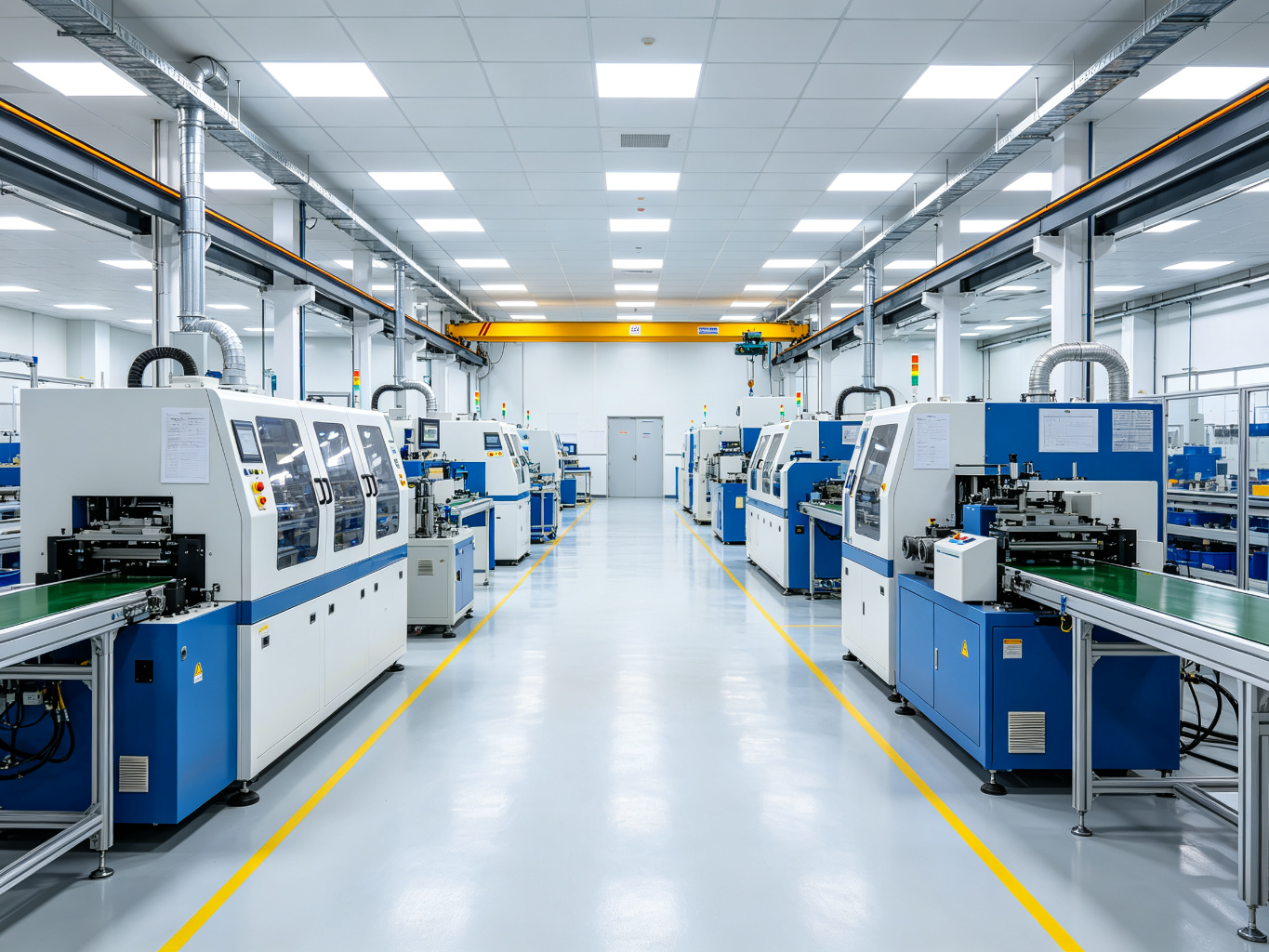
TL;DR. A cartoning machine in 2026 costs $15,000 (semi-automatic hand-load) to $180,000+ (fully automatic horizontal). The choice between vertical end-load, horizontal side-load and manual cartoner depends on product geometry, carton style and throughput. This guide compares all three, the 5 questions that decide which you need, and the TCO over 5 years.
By Luna Yang, Process Engineer. Luna has specified cartoning lines for 8 years across food, pharma and cosmetics, and tracks CEN/EN 415-4 packaging safety standards.
1. Why cartoning matters
Cartoning converts primary packages (bottles, blisters, pouches, flow-wraps) into shelf-ready retail cartons. PMMI’s 2025 secondary packaging survey ranks cartoning as the third-largest end-of-line investment after case packing and palletizing, and the #1 source of changeover downtime in multi-SKU plants.
Statista’s packaging equipment data shows horizontal cartoning machines growing ~6% annually, driven by e-commerce and cosmetics brands that need retail-ready packs.
2. Three cartoner types
| Type | Speed | Price | Best for |
|---|---|---|---|
| Semi-automatic (hand-load) | 10–30 cartons/min | $15,000–$40,000 | Small batches, mixed SKUs |
| Vertical end-load (sleeping carton) | 30–80 cartons/min | $60,000–$120,000 | Blisters, bottles, pouches |
| Horizontal side-load (flat blank) | 60–200 cartons/min | $100,000–$180,000 | Flow-wraps, trays, high speed |
3. Vertical vs horizontal: which for you
| Your product | Recommended |
|---|---|
| Blister packs, bottles, vials | Vertical end-load |
| Flow-wraps, bars, sachets | Horizontal side-load |
| Tubes, jars, irregular | Horizontal side-load (with collator) |
| <30 cartons/min, mixed SKUs | Semi-automatic |
| >100 cartons/min, single SKU | Horizontal continuous-motion |
4. Configuration checklist
- Carton blank size: L × W × H; buy a machine covering 80% of SKUs.
- Product collation: manual pick, bucket infeed, or robotic collator.
- Changeover: tool-free under 20 minutes for multi-SKU plants.
- Closure: tuck, glue, or auto-lock; specify before ordering.
- Controls: PLC with recipe storage; HMI in English; OPC-UA optional.
- Safety: light curtains, interlocked doors, EN 415-4 guards.
5. TCO over 5 years
| Cost | Semi-auto (1 op) | Vertical auto | Horizontal auto |
|---|---|---|---|
| Purchase | $30,000 | $90,000 | $140,000 |
| Labour (5 yrs, 1 shift) | $220,000 | $60,000 | $40,000 |
| Maintenance | $3,000 | $12,000 | $20,000 |
| 5-year TCO | $253,000 | $162,000 | $200,000 |
6. Common pitfalls
- Buying for one carton size — next SKU does not fit.
- No recipe storage — changeover takes 45+ minutes.
- Under-sized collator — product jams every 10 minutes.
- Skipping FAT — surprises at site cost 3× more.
- Glue system undersized — glue dots miss on cold days.
7. Frequently asked questions

Luna validates cartoning and secondary packaging processes on live product samples: carton erection, tuck and glue closure, leaflet insertion, multipack grouping and case loading handover. She writes about carton formats, process flow, packaging changeovers and validation steps buyers should run before accepting a cartoning machine.
See Full Bio ›