
L-bar: 5–10 minutes (film roll and seal die). Side-sealer: 20–40 minutes. Sleeve wrapper: 30–60 minutes for a new group size.
Do I need a shrink tunnel?
Yes — the sealer only makes a bag; the tunnel shrinks it. Without the tunnel, the bag is loose and does not protect the product.
Summary
L-bar sealer for small retail packs; side-sealer for trays and long products; sleeve wrapper for bottles and cans. Size the tunnel to your product and speed. Use POF for food, PE for beverage multipacks. Send us your product shape, packs-per-minute and film preference and we will spec the right shrink line — and tell you if a cheaper option will do.
Related products: Heat shrink wrapping machines.
Yes, but the tunnel must vent moisture and the conveyor must be stainless. Frozen lines use PE film.
How long does changeover take?
L-bar: 5–10 minutes (film roll and seal die). Side-sealer: 20–40 minutes. Sleeve wrapper: 30–60 minutes for a new group size.
Do I need a shrink tunnel?
Yes — the sealer only makes a bag; the tunnel shrinks it. Without the tunnel, the bag is loose and does not protect the product.
Summary
L-bar sealer for small retail packs; side-sealer for trays and long products; sleeve wrapper for bottles and cans. Size the tunnel to your product and speed. Use POF for food, PE for beverage multipacks. Send us your product shape, packs-per-minute and film preference and we will spec the right shrink line — and tell you if a cheaper option will do.
Related products: Heat shrink wrapping machines.
Typically 140–180°C for POF, 160–200°C for PE. The exact setpoint depends on film gauge and line speed.
Can it shrink wrap frozen products?
Yes, but the tunnel must vent moisture and the conveyor must be stainless. Frozen lines use PE film.
How long does changeover take?
L-bar: 5–10 minutes (film roll and seal die). Side-sealer: 20–40 minutes. Sleeve wrapper: 30–60 minutes for a new group size.
Do I need a shrink tunnel?
Yes — the sealer only makes a bag; the tunnel shrinks it. Without the tunnel, the bag is loose and does not protect the product.
Summary
L-bar sealer for small retail packs; side-sealer for trays and long products; sleeve wrapper for bottles and cans. Size the tunnel to your product and speed. Use POF for food, PE for beverage multipacks. Send us your product shape, packs-per-minute and film preference and we will spec the right shrink line — and tell you if a cheaper option will do.
Related products: Heat shrink wrapping machines.
Heat Shrink Wrapping Machine Buying Guide 2026: L-Bar Sealer vs Side-Seal vs Sleeve Shrink, Tunnel Sizing and Price
Shrink wrapping bundles products into a tight, tamper-evident pack — beverage multipacks, bottled water cases, cans, cosmetics cartons, building materials. But when buyers spec a shrink line, they face three machine formats (L-bar sealer, side-sealer, sleeve wrapper) and a tunnel that has to be sized correctly. This guide compares the three formats by product shape, speed, and price, and tells you when shrink wrapping is the wrong tool.
How shrink wrapping works
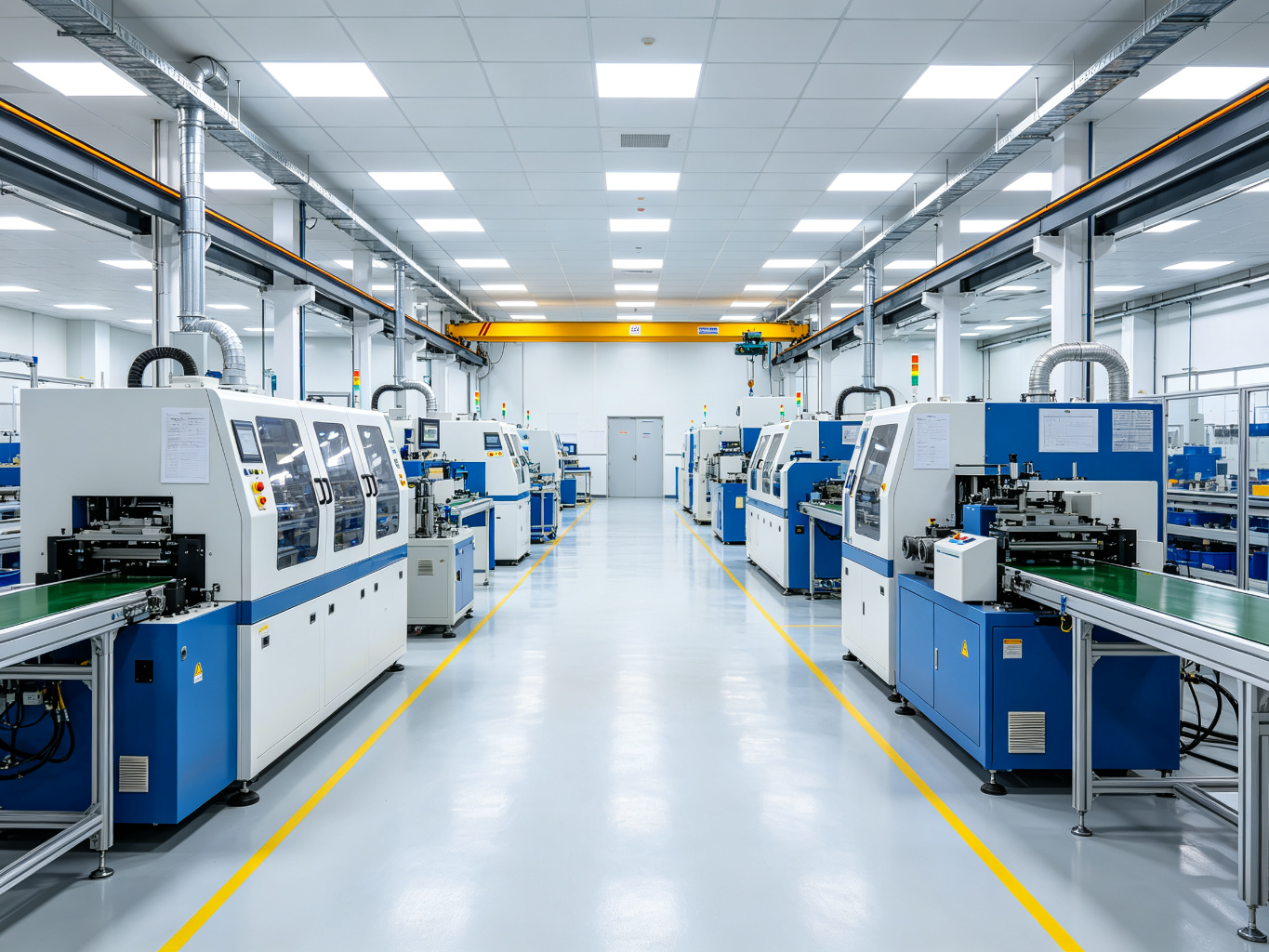
A shrink line has two parts: the sealer that wraps film around the product and makes a bag, and the heat tunnel that shrinks the film tight. The sealer can be an L-bar (for single products or small bundles), a side-sealer (for long or high-speed packs), or a sleeve wrapper (for multipacks of bottles/cans). The tunnel is sized to the product dimensions and line speed. Shrink wrapping machines are available in all three formats.
| L-bar sealer | Side-sealer | Sleeve wrapper | |
|---|---|---|---|
| Product shape | Rigid boxes, trays | Long products, trays | Bottle/can multipacks |
| Speed | 10–30 packs/min | 20–60 packs/min | 30–80 packs/min |
| Bag type | Center-fold film bag | Seal on long side | Sleeve around product |
| Price band (USD) | $8k–$25k | $25k–$60k | $40k–$100k |
| Best for | Single retail packs | Tray bundling | Beverage multipacks |
L-bar sealer: entry-level and flexible
An L-bar sealer puts the product on a layer of center-fold film, lowers an L-shaped seal blade that cuts and seals around three sides, and sends the bag through the tunnel. It is simple, cheap, and handles a wide range of box sizes. It is semi-automatic — an operator places each product. For a small cosmetics or food company running 10–20 packs a minute, this is the entry point. It cannot handle very long products or very high speeds.
Side-sealer: for trays and long products
A side-sealer pulls film from a roll, wraps it around the product tray, and seals the long side underneath. It runs continuously at 20–60 packs/min and handles long trays — bottled water cases, beverage trays, building material bundles. It is automatic and conveyor-fed. For a beverage or food producer bundling 12-packs or 24-packs onto trays, the side-sealer is the standard.
Sleeve wrapper: for bottles and cans
A sleeve wrapper is purpose-built for cylindrical products — bottles, cans, jars. It groups the bottles into a multipack, applies a PVC or POF sleeve around the middle, and sends it through the tunnel. The result is a half-wrap that holds the multipack together without covering the whole bottle. It runs 30–80 packs/min. For a bottling line, this is the only format that makes sense.
Tunnel sizing: the most common mistake
The tunnel has to be sized to the product height, width and line speed. A tunnel that is too short does not shrink the film. A tunnel that is too long wastes energy and burns the film. The tunnel conveyor speed must match the sealer output. Specify the tunnel from your maximum product dimensions and your packs-per-minute, not from a brochure. SunAura sizes the tunnel as part of the line quote.
Film: PVC vs POF vs polyethylene
PVC film is cheap, shrinks at low temperature, but is not food-contact in many markets. POF (polyolefin) is food-safe, clearer and stronger — the standard for food and cosmetics. Polyethylene (PE) shrink film is thicker and used for beverage multipacks and building materials. Choose the film based on your product and market, and make sure the sealer and tunnel are rated for that film.
Sanitary vs industrial build
For food and pharmaceutical products, the shrink line must be sanitary: stainless steel contact parts, washdown rating, and no dead corners. For building materials or industrial parts, painted mild steel is enough. The price difference is 30–50%. Specify the sanitary rating at quote time. A shrink line bought for food that is not washdown-rated will fail audit.
Integration with upstream and downstream
A shrink line sits after the product grouping (tray former, case packer, or grouping conveyor) and before the palletizer. The infeed conveyor must feed the sealer at the correct speed. The outfeed conveyor takes the hot, shrink-wrapped pack and cools it before palletizing. SunAura integrates the tray former, shrink sealer, tunnel and outfeed on one controls platform. A standalone shrink line bolted onto an existing conveyor often has speed mismatch.
Energy use and tunnel efficiency
A shrink tunnel uses 15–45 kW of electric heating, depending on tunnel length. That is a significant ongoing cost. Modern tunnels have insulated walls, recirculating air, and variable-frequency blowers. An old tunnel wastes 30–40% of its energy as heat loss to the factory floor. For a 24/7 line, the energy savings of an efficient tunnel pay back within 2–3 years. Ask the supplier for the tunnel’s kWh per pack, not just the heater wattage.
Maintenance and wear parts
The sealer blade is the main wear part; it needs replacement every 3–6 months. The tunnel heating elements last 3–5 years. The film carriage rollers and bearings need periodic lubrication. For a 24/7 line, keep spare sealer blades and heating elements on the shelf. SunAura ships the recommended spares list with the machine.
What not to buy
Do not buy an L-bar sealer for a 60 packs/min beverage line — it will not keep up. Do not buy a sleeve wrapper for boxed products — it is designed for cylinders. Do not under-size the tunnel. And do not use PVC film for food export to the EU — it is restricted.
Payback and ROI
A shrink line replaces manual hand-wrapping and improves pack presentation. On a beverage line, it also replaces corrugated trays, saving material cost. Payback is typically 18–30 months on labor savings alone, shorter if material savings are counted.
FAQ
What temperature does the tunnel run?
Typically 140–180°C for POF, 160–200°C for PE. The exact setpoint depends on film gauge and line speed.
Can it shrink wrap frozen products?
Yes, but the tunnel must vent moisture and the conveyor must be stainless. Frozen lines use PE film.
How long does changeover take?
L-bar: 5–10 minutes (film roll and seal die). Side-sealer: 20–40 minutes. Sleeve wrapper: 30–60 minutes for a new group size.
Do I need a shrink tunnel?
Yes — the sealer only makes a bag; the tunnel shrinks it. Without the tunnel, the bag is loose and does not protect the product.
Summary
L-bar sealer for small retail packs; side-sealer for trays and long products; sleeve wrapper for bottles and cans. Size the tunnel to your product and speed. Use POF for food, PE for beverage multipacks. Send us your product shape, packs-per-minute and film preference and we will spec the right shrink line — and tell you if a cheaper option will do.
Related products: Heat shrink wrapping machines.

Emily designs the mechanical systems inside case erecting and case packing machines: blank feeds, magazine capacity, suction and flap-forming stations, product pickup and placement mechanics, and case discharge conveyors. She writes about erector and packer mechanisms, changeover times, dimensional limits and what a mechanical spec sheet should list.
See Full Bio ›