
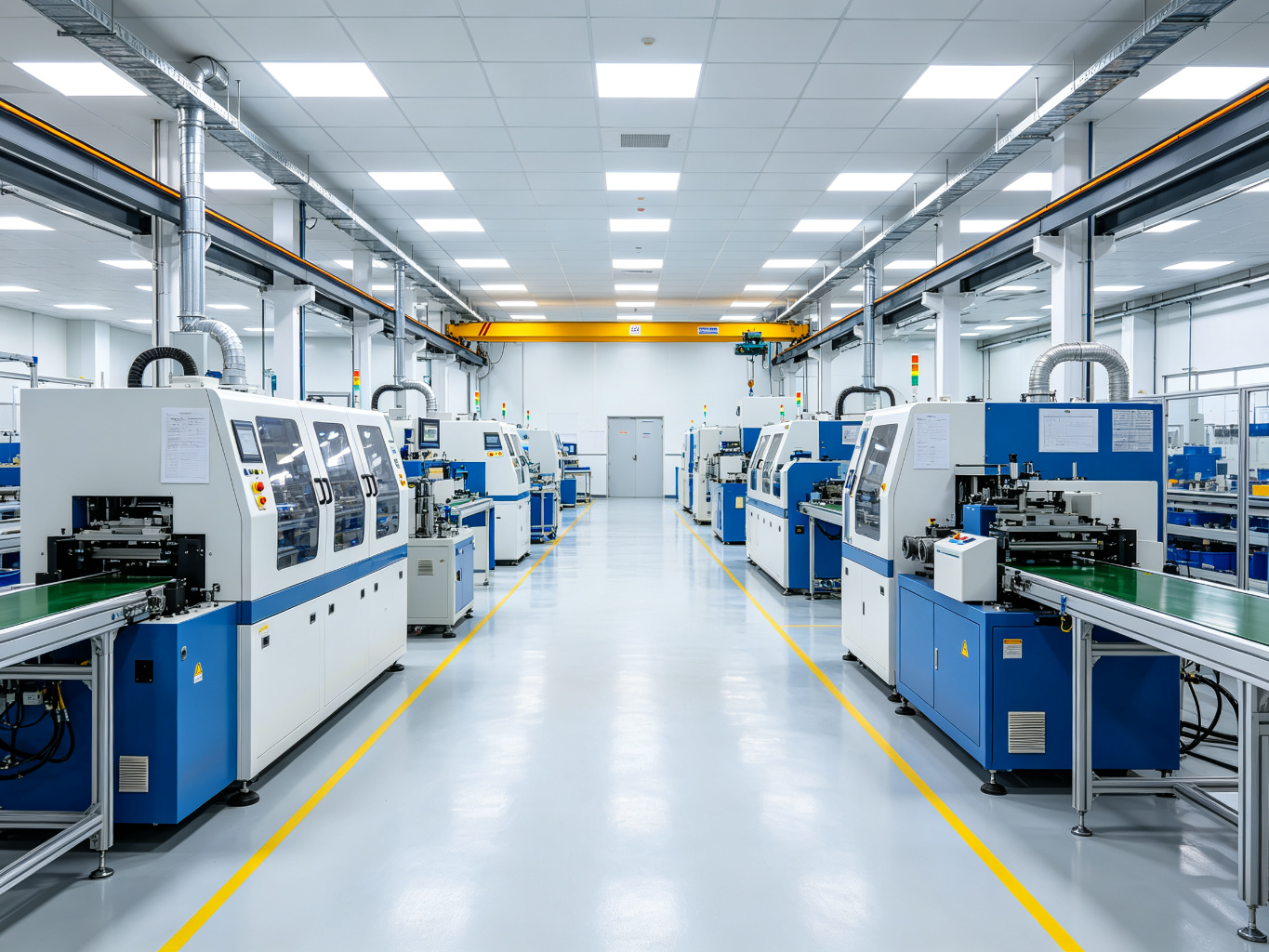
Packaging Machine Preventive Maintenance Checklist (2026)
The complete preventive maintenance checklist for end-of-line packaging machines — daily, weekly, monthly and quarterly tasks. Reduce downtime by 40%, extend machine life by years, and avoid costly emergency repairs.
- Reduce downtime 40%+
- Extend machine life 5–10 years
- Daily / weekly / monthly tasks
Why Preventive Maintenance Saves You Money
Most packaging factories treat maintenance as something that happens when a machine breaks. This “run to failure” approach costs 3–5× more than preventive maintenance. An emergency repair on a Monday morning can cost $10k+ in lost production, plus rush shipping on spare parts, plus overtime to catch up.
Preventive maintenance is the opposite: you service the machine on a schedule, before anything breaks. The result: machines run longer, quality stays consistent, and you plan maintenance around production schedules instead of the other way around.
Industry benchmark: Factories with formal preventive maintenance programs report 30–50% less unplanned downtime, 20% lower maintenance costs, and 15% longer machine life compared to “fix it when it breaks” operations.
Daily Maintenance Checklist (Every Shift)
Clean the Machine
Wipe down conveyors, seal bars, and product contact surfaces. Remove dust, tape residue, and packaging debris. Built-up grime causes jams and premature wear.
Check Air Pressure
Most packaging machines run on compressed air at 6–8 bar. Low air pressure = slow cycles, weak seals, inconsistent operation. Check the gauge at the start of every shift.
Inspect Safety Guards
Make sure all safety guards and interlocks are in place and working. Test the e-stop button. Never run a machine with a safety guard removed.
Listen & Observe
At startup, listen for unusual noises, rattles, or vibrations. Watch the first 10–20 cycles carefully. Catching a small problem now prevents a big breakdown later.
Weekly Maintenance Checklist
| Task | What to Do | Why It Matters |
|---|---|---|
| Lubricate bearings | Apply food-grade grease to conveyor bearings and chain drives | Prevents bearing seizure and premature failure |
| Check belt tension | Adjust drive belts to proper tension | Loose belts slip and wear; tight belts burn out bearings |
| Inspect seal wires / heating elements | Check for wear, discoloration, or damage | Bad seals = product waste and quality complaints |
| Clean air filter / dryer | Drain water from air dryer, check filter condition | Water in air lines ruins valves and cylinders |
| Tighten loose bolts | Go over frame, conveyor stands, and mounting bolts | Vibration loosens bolts over time |
Monthly Maintenance Checklist
Check Electrical Connections
Open the control panel and check for loose wires, burnt contacts, or corrosion. Vibration loosens electrical connections over time.
Test Sensors & Photo-Eyes
Wipe sensor lenses clean. Test each sensor to make sure it triggers correctly. Dirty or misaligned sensors are the #1 cause of unplanned stops.
Inspect Conveyor Belts / Chains
Look for cracks, fraying, or stretched belts. Check chain lubrication. Replace worn parts before they break.
Check Vacuum Pump Oil (if applicable)
For vacuum packaging machines, check pump oil level and color. Dark or milky oil means it needs changing. Clean oil = strong vacuum = good seals.
Quarterly / Annual Overhaul
Critical Spare Parts to Keep On Hand
Every packaging factory should keep a small stock of critical wear parts on site. Waiting 3 days for a part to ship from overseas means 3 days of downtime.
Must-have spare parts:
• Seal wires / heating elements (for case sealers, shrink wrappers, vacuum packers)
• Conveyor belts (common sizes you actually use)
• Photo-eye sensors (the most common failure point)
• Pneumatic cylinders and valves (leaking air = lost productivity)
• Drive belts and bearings
• Fuses and contactors (electrical spares)
• Vacuum pump oil and filters (for vacuum machines)
The total investment for a basic spare parts kit is usually $500–$2,000. It pays for itself the first time you avoid a 2-day shutdown.
Real-World Example: Snack Food Factory
A snack food factory was experiencing an average of 8 hours of unplanned downtime per month. They thought their machines were just “old and unreliable.”
What we did: Implemented a simple daily/weekly/monthly maintenance checklist. Trained operators on basic cleaning and inspection. Set up a small spare parts cabinet with the most common wear items. Total investment: about $3,000 in parts and 4 hours of training.
Result: Unplanned downtime dropped from 8 hours/month to 1.5 hours/month — an 80% reduction. The maintenance program paid for itself in the first month from avoided downtime.
This is typical. Most packaging machine “breakdowns” aren’t mysterious — they’re the result of months of skipped basic maintenance. A simple checklist solves 80% of problems.
Frequently Asked Questions
Daily cleaning and inspection: every shift. Weekly lubrication and belt checks: once per week. Monthly sensor and electrical checks: once per month. Full quarterly/annual overhaul: every 3–6 months. The exact schedule depends on how many hours per day the machine runs.
A basic in-house preventive maintenance program costs about 1–3% of the machine’s purchase price per year in labor and spare parts. Compare that to 15–30% of machine cost per year in emergency repairs and lost production for “run to failure” operations.
For small operations (1–3 machines), your operators can handle daily and weekly tasks with basic training. For larger lines (5+ machines), a dedicated maintenance technician pays for themselves. Complex PLC and servo issues should still be handled by the machine supplier.
By far the most common cause is lack of basic cleaning and lubrication. Dust, grime, and dry bearings cause more downtime than actual mechanical failures. The second most common is misaligned or dirty sensors.
With good preventive maintenance, a well-built packaging machine should last 10–15 years. Machines that are “run to failure” typically need major overhauls after 5–7 years. The difference is entirely maintenance culture.
Get Your Custom Maintenance Plan
We can provide a machine-specific preventive maintenance checklist and spare parts list for your SunAura Packaging Machines equipment. Keep your line running at peak efficiency for years to come.

Michael designs automated palletizing stations and ties upstream case or bag flow to downstream stretch wrapping. His work spans conventional layer palletizers, robotic arm cells, conveyor routing, safety fencing and handover logic between machines. He writes about palletizer selection, load stability and how an end-of-line sequence should be balanced.
See Full Bio ›