

A machine that leaves a Chinese factory in perfect condition can arrive at a customer’s warehouse five weeks later with condensation inside the control cabinet, surface rust on bare steel parts, and cartons that have softened and collapsed in the container. The machine did not change. The packaging did — or rather, it was not specified for what actually happens to a load at sea. Export packaging is treated as an afterthought on too many projects, yet it is the difference between equipment that is commissioned the week it arrives and equipment that spends weeks being dried, cleaned and repaired before it can run. At SunAura Packaging Machines we package complete end-of-line lines for containers every month, and the methods that protect machinery in transit are the same methods we build into the bag-inserting, shrink, wrapping and strapping machines we supply.
This guide explains how export loads are damaged in transit and how to prevent it. We will cover the moisture inside a shipping container — where it comes from and how much of it there is — the barrier methods that keep it off the product, the bag-in-box and liner systems that protect parts and components, the shrink and stretch films that hold and seal loads, and the strapping that stops everything moving. We will get into desiccants, humidity indicators, VCI corrosion protection, crating and the practical question of how a container is loaded so nothing shifts. If you ship machinery, parts or bulk product overseas, the sections below follow the same logic our packaging engineers apply before a container leaves the works.
What actually happens inside a shipping container
The dominant enemy of export cargo is not salt air directly — a closed, sound container keeps most of it out — but condensation. A sealed container holds moisture in the air and, importantly, in the cargo itself: wet timber, damp dunnage, products packed warm, and even the air trapped inside the packaging. During the voyage the temperature swings. The container heats in the sun during the day and cools at night, and when the interior surfaces cool below the dew point of the trapped air, water condenses — the familiar “container rain” that drips from the roof and runs down the walls. A load that was dry when packed can be wet by the time it arrives, because the water came from inside the container, not outside it.
The quantities are not trivial. Warm, humid air trapped at the point of packing can hold a surprising amount of water, and moist timber packaging releases its moisture over the voyage. For a machine with bare steel surfaces, even a thin film of condensation sitting for weeks produces the orange bloom that customers photograph on arrival. For cartons and paper, the moisture softens board and weakens stacks. For electrical and control components, damp reaches contacts and insulation. Understanding that the water is already inside the container at packing time is what points to the solutions: dry the cargo and its packaging, seal the product against the moist air, and absorb the moisture that remains.
Barrier packaging: foil bags and sealed liners
The standard protection for machinery and valuable components is a vapour barrier — typically an aluminium-foil laminate bag or sheet sealed around the product. Foil barriers are nearly impermeable to water vapour, so once the product is sealed inside with dry air and desiccant, the moisture outside the barrier cannot reach it during the voyage. Complete machines are often wrapped in foil sheets heat-sealed at the seams; control cabinets, motors and sensitive sub-assemblies are bagged individually; spare parts are sealed in smaller barrier bags with the shipment. The barrier only works if the seams are properly sealed and the film is not punctured during loading, which is why protective dunnage and careful handling around the bag matter.
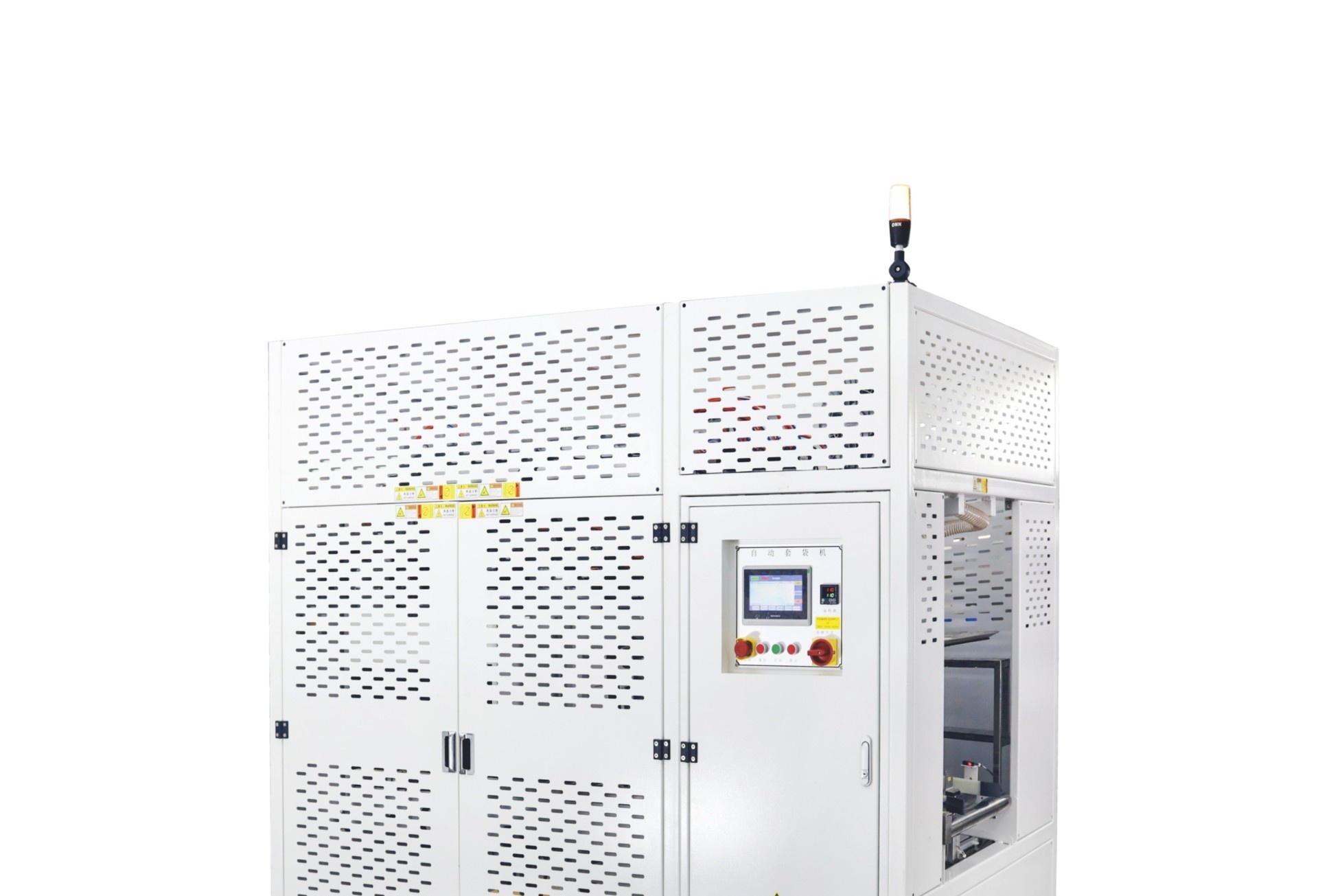
For products and components packed inside cases, the equivalent protection is a plastic liner or bag inside the carton — a polythene or barrier liner that keeps carton and moisture apart. This is precisely the operation performed by a carton bag inserting machine BM500A: it places a bag inside the case before the product goes in, so the contents are isolated from the board and from any external damp. For food ingredients, chemicals, parts and any bulk product packed into cases, bag-in-box packing protects both product and carton, and it is applied automatically by machines such as the TD-300 bag inserting machine.
Desiccants and humidity indicators
Inside a sealed barrier, desiccant — commonly silica clay or silica gel in breathable bags — absorbs the moisture trapped at packing time and any that passes in during the weeks before the barrier is opened. The quantity is calculated from the barrier’s internal volume, the packaging materials and the expected climate, rather than added by guesswork; too little desiccant leaves damp air inside the bag, while the amount needed rises sharply if timber or other moisture-retaining materials are sealed in with the product. Alongside the desiccant, a humidity indicator card placed inside the barrier shows, on opening, whether the interior stayed dry — a simple, readable check that also tells the customer whether sensitive components need inspection before use.
For whole-container shipments, container desiccants are also hung or placed inside the container itself to pull down the moisture in the air and reduce container rain, particularly when the cargo cannot be fully sealed in a barrier. These are large, high-capacity desiccant units sized for container volumes, and they are most effective when the cargo and dunnage are as dry as possible at packing. Desiccants complement rather than replace barriers: they manage the moisture that cannot be sealed out.
Corrosion protection: VCI, coatings and bare steel
Machinery contains many bare, unpainted steel surfaces — shafts, machined faces, fasteners, tooling — that rust fastest under condensation. Several methods are used together. The simplest is to coat exposed machined surfaces with a rust-preventive oil or grease that displaces moisture and protects through the voyage, removed during commissioning. Vapour corrosion inhibitors (VCI) take a different route: VCI film, paper or emitters release a protective layer that settles on metal surfaces inside the sealed space, inhibiting electrochemical rust formation without leaving a greasy coating, which makes them popular for parts, tools and components. Electrical panels may be protected with VCI emitters and panel heaters where the installation environment is also damp.
The choice depends on what is being protected. Heavy machined surfaces take an anti-rust coating; small parts and tooling suit VCI bags; control and electronic components need dry barrier protection rather than oil. Specifying these per component — rather than relying on a single method for the whole machine — is how export lines arrive clean. Customers in coastal and humid destinations, where the machine will continue to face corrosion after commissioning, are also advised on panel protection and maintenance, which we support through our Help Center.
Shrink and stretch: sealing and holding the load
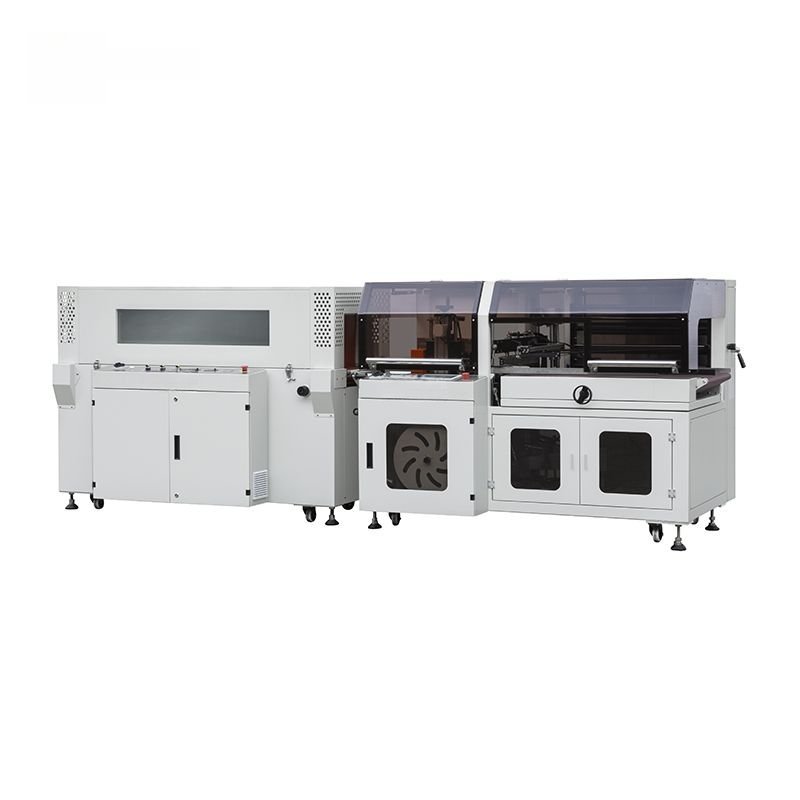
Film does two jobs in export packing: it seals a load against moisture and holds it together. Shrink film — applied loosely and then heated to tighten around the product — conforms tightly over crated or palletised goods, giving a degree of weather protection and holding wrapping and protective layers in place. Side-seal and sleeve machines, such as the equipment behind our BTH-550 side-seal shrink wrapper and the BTX-6040 sleeve wrapper, enclose products in film before the heat tunnel. For pallet loads, stretch wrapping holds cartons to the pallet and provides dust and weather protection, though stretch film alone is not a vapour barrier and should not be relied on to keep a load dry on a long voyage. Combined film-and-strap patterns give both the cover and the positive hold that export loads need.
Strapping and crating: stopping movement and impact
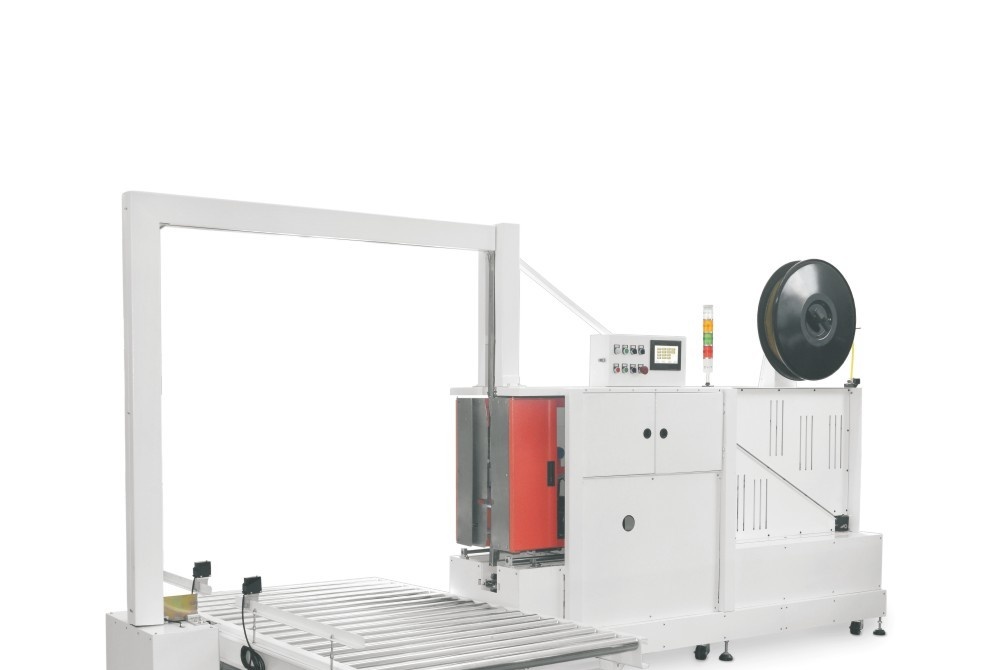
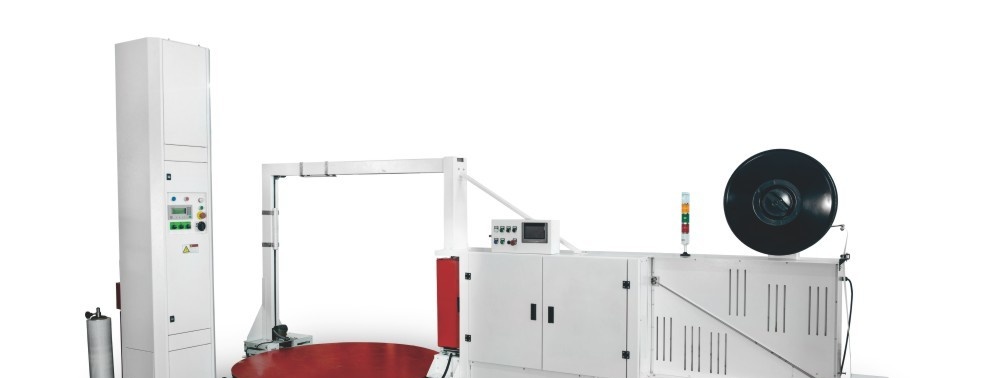
Moisture is the slow failure; movement and impact are the sudden ones. A load that shifts in a container can break through its barrier bag, crush cartons and damage machinery against the container walls. Strapping holds crates and pallet loads firmly, applied at the correct tension with PP or PET band, and heavy or rigid loads may use additional bracing. The automatic unmanned strapping machine secures complete pallet loads consistently, while combined cells such as the fully automatic wrapping and strapping system apply film and band in one sequence. Crating — timber cases and bases built to carry the machine’s weight and to be lifted by forklift — protects against impact, provided the timber is dry or treated so it does not itself introduce moisture or fail quarantine rules in the destination country.
Loading the container
The final step is arranging the cargo inside the container so weight is distributed, nothing can move, and the barrier packaging is not punctured. Heavy machines and crates are blocked and braced against the container’s securing points; pallet loads are placed in tight rows and strapped or chocked; voids that would allow shifting are filled or secured. Weight distribution matters both for transport safety and for the container’s handling limits, and the loading plan is agreed before the cargo reaches the quay. A well-loaded, well-sealed, well-strapped container survives double handling and a rough voyage; a loosely loaded one defeats even the best barrier packaging when crates break free and tear the bags open.
A practical export-packing checklist
- Dry the product, timber and dunnage as far as possible before packing.
- Seal machinery and sensitive parts in foil barriers with correctly sealed seams.
- Add calculated desiccant and a humidity indicator inside each barrier.
- Protect bare machined metal with anti-rust coating and parts with VCI.
- Line cases for bulk product and parts using bag-in-box packing.
- Shrink or stretch to cover and hold, but do not treat stretch film as a vapour barrier.
- Strap and brace loads at the correct tension; use dry, compliant crating timber.
- Load to a plan: distribute weight, eliminate shifting, protect barriers from puncture.
Frequently asked questions
Why does cargo get wet inside a closed container?
The water is already inside at packing — in humid air, damp timber or warm product — and condenses when temperatures fall during the voyage. Sealing product in a barrier and drying the cargo and dunnage address the source; container desiccants reduce the moisture that remains.
Is stretch wrapping enough to protect machinery?
No. Stretch film holds loads and gives dust and limited weather protection, but it is not a vapour barrier. Machinery needs sealed foil barriers, desiccant and corrosion protection for a long sea voyage, with stretch and strapping used to hold and secure the load.
How much desiccant is required?
It is calculated from the barrier volume, the materials sealed inside and the expected climate, and it increases when timber or moisture-bearing materials are included. Packaging engineers work this out per shipment rather than applying a fixed quantity.
What stops rust on bare steel parts in transit?
A combination of anti-rust coating on heavy machined surfaces, VCI film or emitters for parts inside sealed spaces, and dry barrier packaging with desiccant. No single method covers every component, which is why protection is specified per part.
Does the crating timber matter?
Yes. Wet timber introduces moisture and releases it inside the barrier or container, while many destinations require treated or compliant wood packaging to meet quarantine rules. Dry, correctly marked timber avoids both problems.
Conclusion
Export packaging is engineering against a specific, predictable set of conditions: temperature swings that produce condensation, weeks of damp air, and the impacts and shifting of loading and transit. Barrier bags and liners keep moisture off the product, desiccants and humidity indicators manage the air inside, VCI and coatings protect bare metal, shrink and stretch cover and hold, and strapping, crating and a planned container layout stop movement. Applied together — rather than relying on one film or one bag — these methods deliver equipment that arrives dry, clean and ready to commission, which is the real measure of a well-packed export line.
If you export machinery, parts or bulk product and want packaging that survives the voyage, SunAura Packaging Machines supplies the bag-inserting, shrink, wrapping and strapping equipment that applies these protections at production scale. Contact our packaging team with your products, destinations and load profile, or review the relevant machines in the products hub, including the seal shrink wrapping machine and the full range of bag inserters and pallet strappers.

David leads our case sealing and cartoning engineering team. Over 14 years he has specified, installed and commissioned hundreds of random-size case sealers, top- and side-loading cartoners, and automatic case packers for food, household and industrial product lines. He writes buying guides and troubleshooting articles around seal quality, tape and hot-melt glue selection, and carton throughput limits.
See Full Bio ›