

A packaging line that runs reliably in an ambient dry-goods hall can fail within months in a cold room, a seafood processing area or a dairy washdown zone. The failures are rarely dramatic. They arrive as condensation inside an electrical cabinet, a touchscreen that flickers after the nightly foam clean, a gearbox that weeps as seals harden in the cold, a case erector whose suction cups slip on damp board, or stainless fasteners that begin to spot with corrosion where the wrong grade was used. Individually these look like nuisance faults; together they destroy availability and push maintenance cost well above what the machine cost.
The mistake is usually made at the specification stage, not on the floor. Equipment built for a standard environment is quoted and ordered because it is cheaper, with the assumption that “it is still just a case erector” or that the cold room is only a few degrees cooler. But the environment changes almost every subsystem: the steel, the electrical enclosures, the motors and sensors, the lubricants, the compressed air, the corrugated board itself and the way the machine is cleaned. Specifying for cold, wet and washdown environments is therefore a system problem, and it pays to treat it that way from the start.
This guide sets out what the different environments actually demand, how to specify each part of an end-of-line for them, and the faults we see most often when a standard machine is installed where a washdown machine belonged. It draws on the frozen, seafood, dairy and ready-meal lines we commission, where the difference between a line that runs for years and one that is patched monthly is decided in the purchase specification.
Define the environment precisely
“Cold” and “wet” are not single conditions, and lumping them together produces the wrong machine. Before specifying, describe the environment in terms a controls and mechanical engineer can act on.
- Ambient operating temperature and range. A chilled preparation area at 8 to 12 °C is different from a cold room held at 0 to 4 °C, which is different again from a freezer environment below zero. Note whether the machine runs continuously at that temperature or is moved in and out.
- Humidity and condensation. Whether the air is damp, whether product comes in wet, and whether temperature swings cause condensation to form on stopped equipment.
- Cleaning regime. Dry wipe only; low-pressure hosing; or high-pressure, high-temperature cleaning with foam and sanitiser. The expected water pressure, temperature and chemicals determine the enclosure and IP ratings.
- Product and residue. Saltwater and fish protein, milk and lactic residues, sugar and syrup, flour and dough, or frozen condensation. Each attacks equipment differently.
- Where the machine physically sits. Inside the controlled room, at the boundary between cold and ambient areas, or in an ambient hall packing product straight from refrigeration.
A useful principle is to specify against the harshest condition the machine will meet, including cleaning, rather than its normal running state. A machine that operates at 4 °C but is hosed daily at high pressure needs to be built for the hosing, not just the temperature.
Materials: stainless, aluminium and the corrosion question
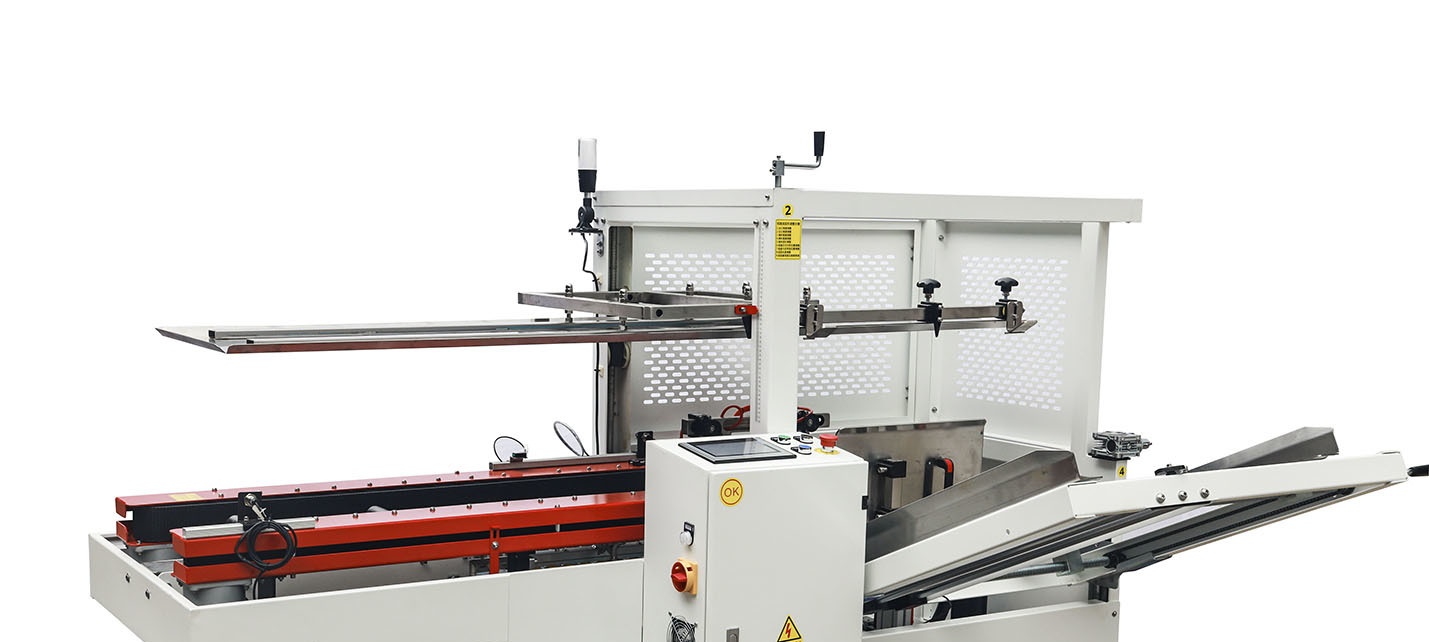
The frame and guarding are the most visible part of the environmental specification and the easiest place for a cost reduction to be hidden. In a dry ambient hall, painted carbon steel is perfectly serviceable. In a wet or washdown area it is not, because any chip or edge in the coating becomes a corrosion point that spreads under repeated wetting.
For chilled, damp and regularly cleaned zones, the structural and contact parts should be specified in stainless steel, with the grade matched to the residue. Austenitic 304 is the general workhorse for dairy, chilled food and most washdown areas and tolerates routine cleaning well. Where chloride exposure is high, as in saltwater seafood processing or where salty brines and certain chlorinated sanitiser concentrates are used, 316 is specified for contact and splash zones because its molybdenum content resists chloride pitting that 304 cannot. It is worth stating the grade on the order rather than accepting “stainless steel” generically, because the difference in field behaviour is substantial.
Frame design matters as much as grade. Washdown machines should use sloped surfaces and tube or box sections arranged so water drains rather than pools, continuous or fully sealed welds in splash zones, minimal horizontal ledges where residue collects, and mounting that lifts cabinets and motors off standing water. Stainless fasteners with the correct grade avoid the rust streaks that appear when ordinary steel bolts are used on an otherwise stainless frame. Non-metallic guarding and bearing materials must be chosen to tolerate both the temperature and the sanitiser, because some plastics become brittle in cold or craze under certain cleaning chemicals.
Electrical and controls: keep water and condensation out
Electrical faults are the most common reason a standard machine fails in a wet area, and they are the faults you most want to avoid because they are intermittent and hard to diagnose. The specification has two layers: keep water out of enclosures, and manage the moisture that will inevitably get in or condense inside.
IP and NEMA ratings
Ingress Protection ratings should be matched to the cleaning method, not guessed. A cabinet in a dry area may be fine at IP54; a panel exposed to direct low-pressure hosing needs IP65 or IP66; and high-pressure washdown zones call for IP66/IP69K on components and connectors that are cleaned in place. The rating is meaningful only for the whole assembled enclosure, including the cable glands and any HMI cutout, so specify sealed glands, gasketed doors and connectors rated to the same level rather than mixing an IP69K box with ordinary fittings. HMI panels are available with sealed fronts designed for washdown; a standard touchscreen mounted in a standard cutout is a predictable failure point after foaming.
Condensation and thermal management
Cold rooms create a second problem that high IP ratings do not solve. When warm, moist air meets a cold enclosure, condensation forms inside it, and a perfectly sealed box can still collect water on its inner surfaces as temperature cycles. The standard answers are cabinet heaters with thermostats or hygrostats to keep the interior above the dew point, breather drains or pressure-compensation vents rated for the environment, and avoiding dead air in large panels. Where a machine is idle for long periods in the cold, maintaining a small heating load is far cheaper than drying out a control cabinet after water has reached the terminals.
Cables, connectors and sensors also need attention. Use cable insulation rated to remain flexible at the low temperature, because standard cable can stiffen and crack; specify sealed, washdown-rated proximity and photoelectric sensors; and route cabling away from direct spray with drip loops so water does not run along a cable into a fitting. Label and document the enclosure layout so maintenance does not defeat the sealing by drilling unprotected holes to add wiring later, which is how many originally sound cabinets lose their rating.
Mechanical systems in the cold
Low temperature changes the behaviour of moving parts even where moisture is controlled. Lubricating grease thickens as it cools, which increases drag and can stop small drives from delivering their rated torque; standard seals harden and lose resilience; and plastics and belts become less flexible. Specify low-temperature lubricants matched to the operating range, cold-rated seals and hoses, and confirm that the motors and gearboxes are rated to deliver the required torque at the low end of the temperature range rather than only at 25 °C. Drives that are marginally sized in an ambient hall will fault on overload in a cold room once the grease stiffens, which is why a little extra torque headroom is cheap insurance in refrigerated lines.
Pneumatic systems deserve particular care because compressed air carries moisture that condenses and can freeze in cold rooms. Specify good filtration and water separation, dry air, low-temperature-rated air treatment, and where pneumatic actuators are used in freezing conditions, confirm the valves and tubing are rated for it. In the wettest environments, electric actuators are often preferred over pneumatics for functions that must stay repeatable, because they avoid the moisture-in-air problem altogether.
How wet and cold change the packaging process
The environment affects not just the machine hardware but the materials being packed, and this is where process faults that look like machine faults appear.
Damp corrugated and case erection
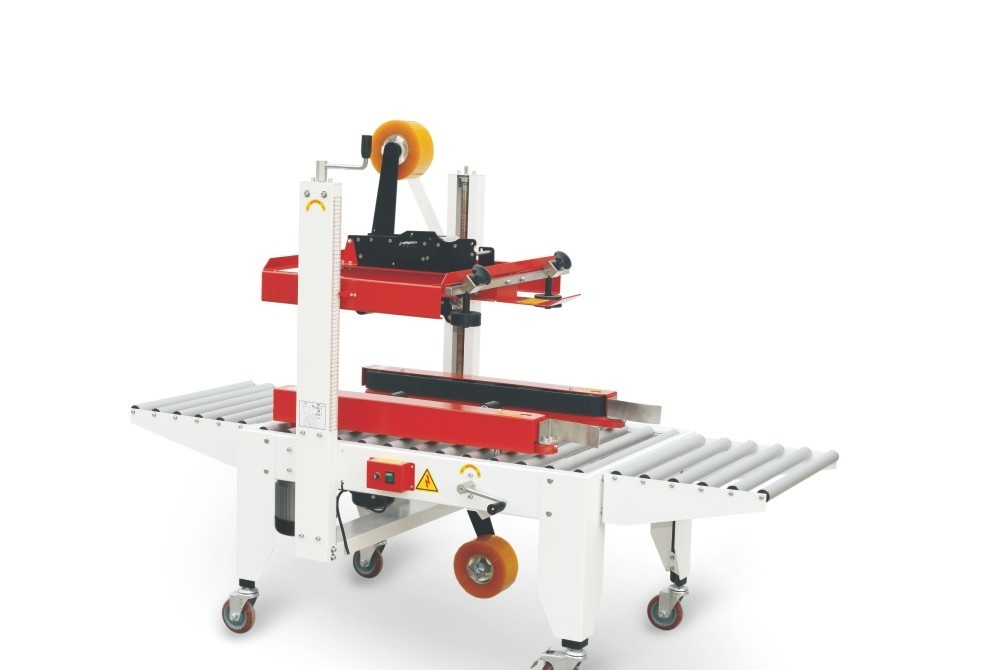
Corrugated board is sensitive to moisture. Damp board is softer, has reduced stacking strength, and behaves differently on the suction cups and forming operations of a case erector. In wet areas, vacuum pickup can slip because damp board does not seal against the cups as reliably, and cases may not square up cleanly. The practical responses are to keep board conditioned and dry until use rather than storing it in the wet zone, specify vacuum systems with adequate reserve and cups suited to the surface, and allow for the reduced strength when choosing board grade. Erecting cases as close as possible to the point of filling limits how long the open board sits in damp air.
For the machine itself, the high-speed servo case erector and bottom sealer gives precise control over pickup and forming that helps compensate for variable board, while the fully automatic case sealer must be specified with a tape head or hot-melt system that tolerates the moisture and cleaning regime. In consistently wet sealing, confirm whether tape will bond reliably to damp surfaces or whether hot melt is the more robust closure for your product.
Cartoning, packing and film in chilled zones
Cartoners running chilled or moist product need the same stainless and sealing discipline, with guarding and product-contact parts that tolerate cleaning and do not hold residue. A horizontal cartoner such as the ZH-120 automatic horizontal cartoning machine can be specified with the appropriate finish and controls for chilled packing. Downstream, robotic case packing on a machine like the ZX-500R robotic case packer reduces the number of mechanical parts exposed in the wet zone and keeps the repeatable motion in a sealed robot, which is one reason robots are attractive in washdown cells when specified with the correct IP-rated arm.
Where film is applied in cold areas, as with shrink or bundling upstream, confirm the film grade and that the equipment will reach and hold its operating temperature in the cold. A side-seal shrink machine such as the BTH-550 side-seal shrink wrapper relies on controlled heat; placing heat-process equipment inside a refrigerated room is generally avoided in favour of a boundary layout, with the heat process at the edge or in an ambient zone before product returns to the cold. Layout, in other words, can remove a great many environmental problems.
Layout: use the boundary to your advantage
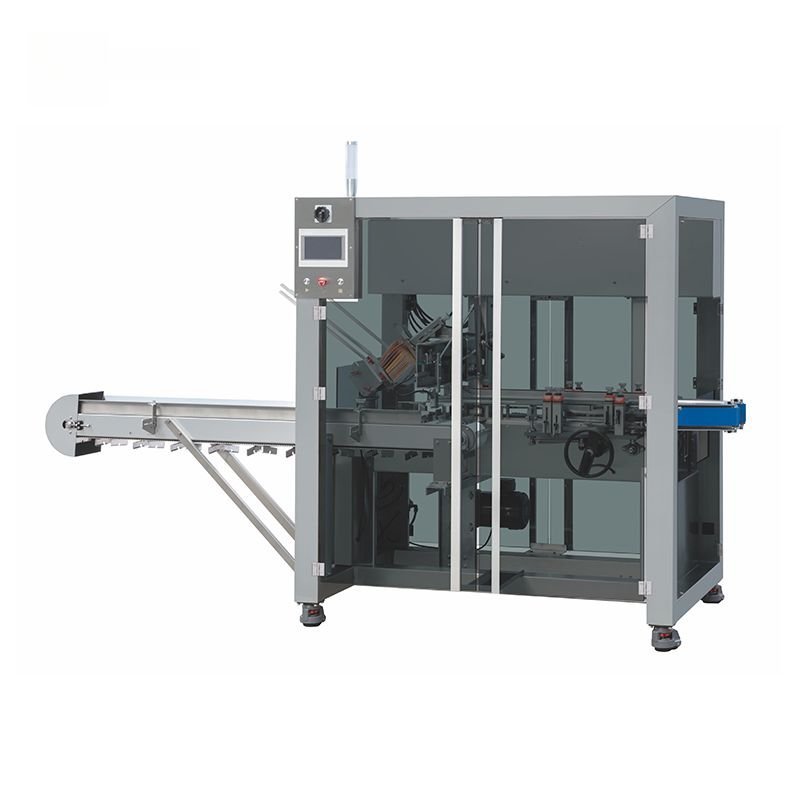
One of the most effective moves costs relatively little: arrange the line so that the harshest environment contains the fewest machines possible. In many plants the wet or cold processing genuinely has to happen in the controlled room, but case erection, cartoning, sealing and palletising can sometimes sit at the boundary or just outside it, with product handed through in a controlled flow. Every machine moved out of the washdown zone is a machine that does not need to be built and maintained to washdown standards. Where a machine must be inside, concentrate the highest IP and corrosion specification there rather than paying to over-engineer equipment that could have sat in an ambient area.
Conversely, do not create a false economy by packing warm or wet product in an ambient hall and assuming the problems disappear. Product straight from refrigeration brought into a warmer hall can condensate on its outer packaging, and wet product loaded into cases in a dry area still introduces moisture at the packing point. The boundary has to be designed around the product temperature and moisture, not simply drawn at the cold-room wall.
Compliance and hygiene standards
For export-oriented food, dairy, meat and seafood producers, the equipment is often expected to align with recognised hygiene and safety expectations, and the major retailers and auditors will inspect both the materials and the cleanability. Hygienic design principles overlap heavily with what makes a machine survive washdown: compatible food-contact materials, smooth and cleanable surfaces, avoidance of harborage points, drained construction, and accessible guarding that can be cleaned without dismantling with tools. If you are specifying for regulated food production, work through the compliance requirements alongside the environmental ones, because they reinforce each other. Our summary of GMP and CE compliance for food-grade packaging equipment sets out the documentation and design points auditors look for, and it is cheaper to build them in than to retrofit guarding before an audit.
The faults that tell you the specification was wrong
The following recurring faults are diagnostic. If you see them on equipment already installed, they usually point back to a mismatch between the machine and the environment rather than to a one-off defect.
- Tripping or flickering controls after cleaning. Water is reaching the enclosure; the IP rating or the glands and HMI cutout are not adequate for the actual cleaning method.
- Water inside cabinets with no obvious spray source. Condensation from temperature cycling; add thermostatic heating and check sealing and ventilation strategy.
- Rust streaks or pitting on “stainless” parts. The wrong grade for chloride exposure, ordinary steel fasteners, or chlorides left to concentrate because rinsing is incomplete.
- Drives faulting on overload when cold. Grease thickened and undersized drives; switch to low-temperature lubricant and verify torque at the low temperature.
- Suction cups slipping and cases not forming. Damp board or cups unsuited to the surface; keep board dry, increase vacuum reserve and review cup selection.
- Ice in pneumatic valves or lines. Wet compressed air in a freezing zone; improve drying and filtration or move the function to electric actuation.
- Seals and hoses cracking after months in the cold. Standard rather than low-temperature-rated materials.
Maintenance in harsh environments
Even correctly specified equipment needs a maintenance regime adjusted to the environment. Inspect enclosure seals, gaskets and glands on a schedule tied to the cleaning frequency, because a seal that begins to leak is cheap to fix before water reaches the controls. Check that cabinet heaters and thermostats actually function, particularly before winter or seasonal production changes. Rinse stainless properly after chlorinated or salty cleaning so residues do not concentrate and pit the surface, and avoid aggressive chemical concentrations beyond what the steel and seals tolerate. The preventive schedule in our high-speed packaging equipment maintenance guide gives the underlying intervals; in washdown and cold areas, shorten the inspection frequency for seals, electrical enclosures and lubrication accordingly.
How to specify it in your RFQ
When you request a machine for a cold, wet or washdown area, give the supplier the facts they cannot safely guess: the operating temperature range, humidity, the exact cleaning method including pressure and chemicals, the product and its residue, where the machine will sit, and the standards your plant is audited against. Ask them to state, in writing, the stainless grade by zone, the IP rating of each enclosure and how condensation is managed, the low-temperature rating of drives, cables, seals and lubricants, and the compressed-air quality assumed. A supplier that can answer those questions concretely is engineering for your environment; one that offers only a standard machine at a lower price is leaving the environmental risk with you.
You can review the underlying machines in the packaging machinery catalogue, and where a standard model does not meet the layout or hygiene requirement, we build modified and fully custom washdown and cold-environment end-of-line cells through the custom packaging machine service. Getting the materials, enclosures and layout right at the specification stage is a fraction of the cost of converting a standard machine after it has spent a season in the cold room, and it is the difference between a line that runs and one that is forever being dried out and patched.
By the SunAura Packaging Machines applications and controls engineering team in Qingdao. We specify and build end-of-line packaging equipment for frozen food, seafood, dairy and ready-meal producers, including stainless washdown and refrigerated layouts for export markets.

Sarah evaluates packaging consumables against machine capability: film gauge and prestretch, PP versus PET and steel strapping, core width, tension settings and corner board use. Her articles connect film and band choice to machine settings, freight damage rates and total cost per pallet, rather than recommending the cheapest consumable on paper.
See Full Bio ›